
Introduction
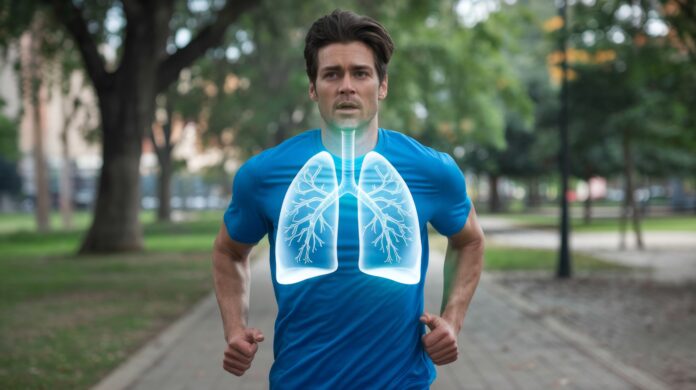
Feeling short of breath is often associated with intense physical exertion, such as running or climbing stairs. However, many people experience breathlessness even during simple daily activities like walking slowly, talking, or even resting. This sensation can feel alarming, as if you are unable to take a full breath or get enough air, even though you are not physically overexerting yourself. Occasional breathlessness may not be a cause for concern, but when it happens frequently or without a clear reason, it can signal underlying issues with your respiratory system, heart, or overall health. Understanding why this happens requires examining how your body uses oxygen, how your lungs and heart function together, and what factors can disrupt this balance. Recognizing the cause early can help prevent complications and improve your quality of life.
Understanding the Topic
Shortness of breath, medically known as dyspnea, is the sensation of not being able to breathe comfortably or fully. It can occur suddenly or develop gradually over time. While it is normal to feel breathless after strenuous activity, experiencing it during minimal effort or at rest is not typical.
This condition can be influenced by both physical and psychological factors. In some cases, it may be related to temporary issues like anxiety or poor posture. In others, it may indicate more serious problems affecting the lungs, heart, or blood circulation.
How the Body/System Works
Breathing is a complex process that involves the lungs, diaphragm, heart, and blood vessels. When you inhale, oxygen enters the lungs and is transferred into the bloodstream. The heart then pumps this oxygen-rich blood throughout the body, supplying tissues and organs.
At the same time, carbon dioxide—a waste product—is carried back to the lungs and exhaled. This continuous exchange ensures that your body has the oxygen it needs to produce energy.
The brain regulates breathing by monitoring oxygen and carbon dioxide levels in the blood. If these levels are not balanced, the body signals you to breathe faster or deeper. When any part of this system is disrupted, it can lead to the sensation of breathlessness.
Main Causes / Factors
Poor Physical Conditioning
A lack of regular physical activity can weaken the heart and lungs. Even mild exertion may then feel more demanding, leading to shortness of breath.
Anxiety and Stress
Anxiety can alter breathing patterns, causing rapid or shallow breaths. This can create a feeling of not getting enough air, even when oxygen levels are normal.
Anemia
Low levels of red blood cells reduce the blood’s ability to carry oxygen. As a result, the body compensates by increasing breathing rate, leading to breathlessness.
Respiratory Issues
Conditions affecting the lungs, such as inflammation or airway obstruction, can limit airflow and reduce oxygen intake.
Heart Problems
The heart plays a critical role in circulating oxygen. If it is not functioning efficiently, the body may not receive adequate oxygen, causing shortness of breath.
Obesity
Excess body weight can put pressure on the lungs and diaphragm, making it harder to breathe deeply.
Allergies or Environmental Factors
Exposure to allergens, pollution, or irritants can cause airway inflammation, making breathing more difficult.
Medical Conditions Linked
Persistent shortness of breath may be associated with:
- Asthma
- Chronic obstructive pulmonary disease (COPD)
- Heart failure
- Pulmonary hypertension
- Anemia
- Lung infections such as pneumonia
- Anxiety disorders
These conditions can impair oxygen exchange, circulation, or breathing efficiency.
Lifestyle and Behavioral Factors
Daily habits significantly influence breathing efficiency. Smoking is one of the most common contributors, as it damages lung tissue and reduces oxygen capacity. Sedentary lifestyles can weaken respiratory muscles, while poor posture can restrict lung expansion.
Exposure to polluted environments or indoor allergens can also irritate the airways. Additionally, irregular sleep patterns and poor stress management can exacerbate breathing difficulties.
Age or Risk Factors
Shortness of breath can affect people of all ages, but certain groups are at higher risk. Older adults may experience reduced lung elasticity and cardiovascular efficiency. Individuals with chronic health conditions, such as diabetes or heart disease, are also more susceptible.
People with a history of smoking or respiratory illnesses are at increased risk. Additionally, individuals with high stress levels or anxiety disorders may frequently experience breathlessness.
Other Contributing Factors
Other factors that may contribute include:
- High altitude, where oxygen levels are lower
- Hormonal changes affecting metabolism
- Rapid changes in temperature or humidity
- Dehydration, which can affect blood volume
- Poor indoor air quality
These factors may not directly cause breathlessness but can worsen existing symptoms.
Symptoms to Watch For
Shortness of breath may present with:
- Difficulty taking deep breaths
- Rapid or shallow breathing
- Chest tightness or discomfort
- Fatigue or weakness
- Dizziness or lightheadedness
- Wheezing or coughing
These symptoms can vary depending on the underlying cause.
When to Seek Medical Help
You should seek medical attention if:
- Breathlessness occurs suddenly or without a clear cause
- It is severe or worsening
- It is accompanied by chest pain or pressure
- There is fainting or severe dizziness
- You have a history of heart or lung disease
Prompt evaluation is essential to rule out serious conditions.
Prevention Tips
Improving breathing health often involves simple lifestyle changes:
- Engage in regular physical activity
- Avoid smoking and exposure to pollutants
- Maintain a healthy weight
- Practice stress management techniques
- Ensure good posture to allow proper lung expansion
- Keep indoor air clean and well-ventilated
These steps can help improve lung function and reduce breathlessness.
Treatment Overview
Treatment depends on the underlying cause. In mild cases, lifestyle changes may be sufficient. However, persistent symptoms may require medical intervention.
Treatment options may include:
- Medications for asthma or respiratory conditions
- Iron supplements for anemia
- Therapy for anxiety-related breathing issues
- Cardiac treatments for heart-related causes
- Pulmonary rehabilitation programs
A personalized approach ensures effective management.
Conclusion
Feeling short of breath without heavy activity can be unsettling, but it is often a sign that your body is struggling to maintain proper oxygen balance. Whether the cause lies in your lungs, heart, blood, or lifestyle habits, understanding the underlying factors is key to finding relief. While occasional breathlessness may not be serious, persistent symptoms should never be ignored. By adopting healthier habits, addressing potential medical conditions, and seeking professional guidance when needed, you can improve your breathing and overall well-being. Taking these steps not only enhances daily comfort but also supports long-term health and vitality.

