
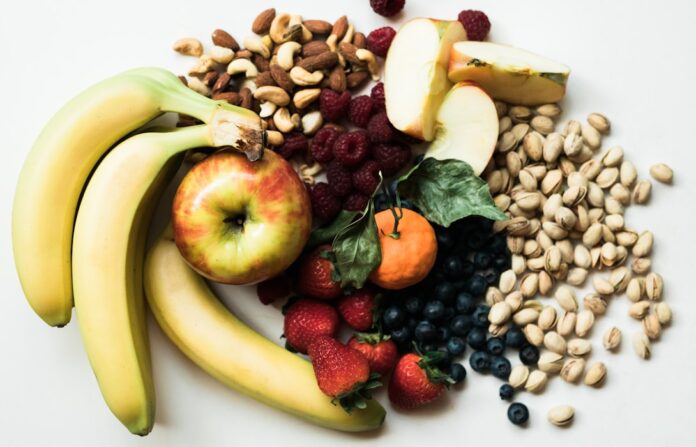
Welcome to the Fiber Revolution
In the quest for a longer, healthier life, the spotlight often shines on superfoods, dietary supplements, and rigorous exercise regimens. Yet, there’s a humble hero in the world of nutrition that frequently goes unnoticed: dietary fiber. This indigestible carbohydrate has quietly been linked to a plethora of health benefits that may significantly contribute to longevity. As we explore the “Longevity Diet,” it becomes clear that fiber isn’t just a dietary component—it’s a potential key to a longer, more vibrant life.
The Fiber Foundation
Fiber, primarily found in fruits, vegetables, whole grains, and legumes, is a form of carbohydrate that the body cannot digest. Unlike other carbs that are broken down into sugar molecules, fiber passes through the body undigested, aiding in the regulation of the body’s use of sugars, keeping hunger and blood sugar in check. There are two types of dietary fiber: soluble and insoluble. Soluble fiber dissolves in water and can help lower glucose levels and blood cholesterol. Insoluble fiber, on the other hand, doesn’t dissolve in water and helps food move through your digestive system, promoting regularity and preventing constipation.
The role of fiber in the longevity diet is multifaceted. Research suggests that a high-fiber diet is associated with a reduced risk of developing heart disease, stroke, hypertension, certain gastrointestinal diseases, obesity, and type 2 diabetes. Fiber’s ability to lower blood pressure, improve lipid profiles, and enhance insulin sensitivity are just a few ways it fosters a healthier, longer life. Additionally, fiber promotes the growth of beneficial gut bacteria, which are crucial for a robust immune system and may influence longevity.
Incorporating Fiber: A Practical Guide
Understanding the importance of fiber is one thing; integrating it into your daily diet is another. Here are practical steps to ensure you’re meeting your fiber needs:
- Start with Breakfast: Opt for high-fiber cereals, oatmeal, or whole grain toast.
- Add Legumes: Incorporate beans, lentils, or chickpeas into salads, soups, and stews.
- Fruits and Vegetables: Aim for at least five servings a day; include the skin where possible.
- Snack Smart: Choose nuts, seeds, and popcorn instead of processed snacks.
- Hydration: Drink plenty of water to help fiber do its job effectively.
Synergy in Nutrition
The magic of fiber doesn’t work in isolation. It thrives in synergy with other nutritional and lifestyle factors. A diet rich in fiber often includes other beneficial nutrients such as vitamins, minerals, and antioxidants, which together enhance overall health. Regular physical activity and a balanced diet amplify the effects of fiber, promoting cardiovascular health and metabolic efficiency. Furthermore, combining fiber with a diet low in saturated fats and refined sugars can optimize its benefits, fostering an environment where longevity can thrive.
Fiber’s Long-term Impact
While the immediate benefits of fiber, such as improved digestion and satiety, are well-known, its long-term impacts on health and longevity are profound. Regular high fiber intake has been linked to a decreased risk of chronic diseases, which are the leading causes of death and disability globally. By maintaining a healthy weight, managing blood sugar levels, and reducing inflammation, fiber plays a crucial role in sustaining long-term wellness. Moreover, by nurturing a healthy gut microbiome, fiber contributes to mental health, potentially reducing the risk of depression and cognitive decline, both of which are essential for a high quality of life in older age.
Conclusion: Fiber’s Promise
As we delve deeper into the intricacies of the longevity diet, it becomes apparent that fiber is not just another dietary component—it’s a cornerstone of health. By embracing a high-fiber diet, you’re not only investing in your immediate well-being but also paving the way for a longer, healthier future. It’s a simple yet powerful dietary adjustment with profound implications for your healthspan and lifespan. So, as you plan your next meal, remember that fiber is your ally on the path to longevity.
Sources
Harvard T.H. Chan School of Public Health: The Nutrition Source
British Nutrition Foundation: Fiber
CDC: Benefits of Fiber
Harvard Health Blog: The Importance of Fiber

