Introduction
Wellness is not about strict routines, expensive products, or dramatic lifestyle changes. At its core, wellness means taking small, steady steps to care for your body, mind, and daily life in a balanced way. It includes how you move, eat, rest, manage stress, and connect with others. When practiced gently and consistently, wellness habits can support energy levels, mood, focus, and overall quality of life.
Many people think wellness requires perfection, but that is rarely realistic. Real wellness is flexible and personal. What works for one person may not work for another. The goal is not to chase ideal standards, but to build habits that fit into your everyday routine. This article explores practical wellness habits across daily, weekly, and long-term timeframes, helping you create a lifestyle that feels sustainable, calm, and supportive.
Basic Preparation: Getting Ready for a Wellness Routine
Before starting any wellness habit, it helps to prepare your mindset and environment. A little planning can make healthy choices feel easier and more natural.
Simple preparation tips:
-
Start with small changes rather than many habits at once
-
Choose routines that match your schedule and energy levels
-
Keep water, healthy snacks, or comfortable clothing easily accessible
-
Set gentle reminders instead of strict rules
-
Focus on progress, not perfection
Wellness works best when it feels supportive, not stressful.
Daily Wellness Habits
Daily habits form the foundation of overall wellness. These small actions may seem simple, but they add up over time.
Morning Wellness Practices
Starting the day calmly can help set a positive tone.
Ideas to try:
-
Drink a glass of water after waking up
-
Stretch lightly for 5–10 minutes
-
Take a few slow breaths before checking your phone
-
Step outside briefly for fresh air or sunlight
These habits can help you feel more alert and grounded without taking much time.
Movement Throughout the Day
You do not need intense workouts every day to support wellness. Gentle, regular movement can be just as valuable.
Examples of daily movement:
-
Walking for short breaks
-
Light stretching during work hours
-
Household activities like cleaning or gardening
-
Simple mobility exercises
The focus is on keeping your body active in ways that feel comfortable.
Mindful Eating Habits
Wellness also includes how you approach food.
Helpful daily practices:
-
Eat without rushing when possible
-
Notice hunger and fullness cues
-
Include a variety of foods
-
Stay hydrated throughout the day
There is no need for strict food rules. Balance and awareness matter more than restriction.
Weekly Wellness Habits
Weekly habits help you reset, reflect, and care for yourself beyond daily routines.
Physical Activity Planning
Some people find it helpful to plan movement across the week.
Weekly ideas:
-
Longer walks on weekends
-
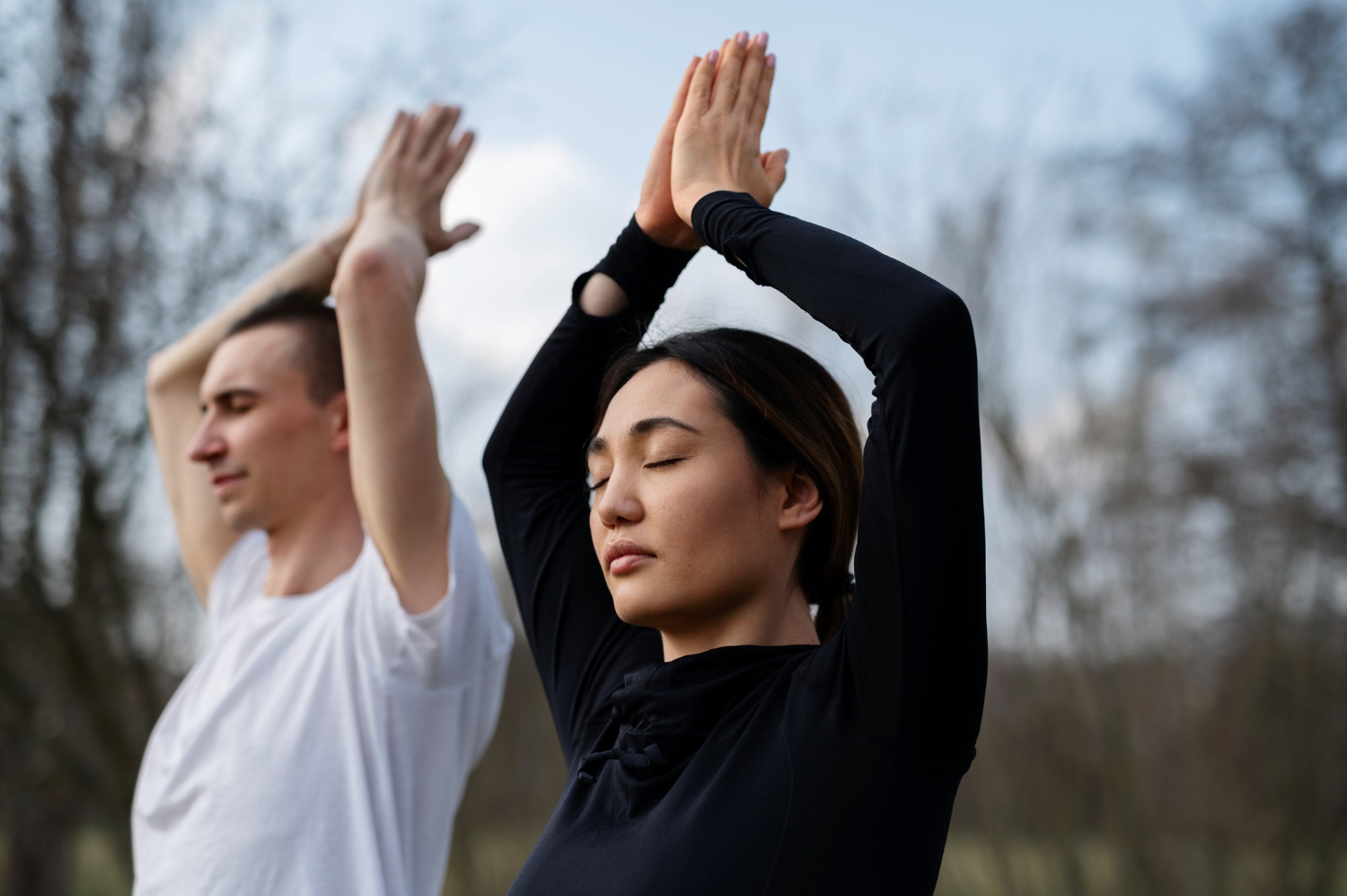
Gentle yoga or stretching sessions
-
Recreational activities like swimming or cycling
-
Rest days when your body feels tired
Listening to your body is more important than following a rigid schedule.
Mental and Emotional Care
Wellness is not only physical. Mental and emotional health deserve regular attention.
Weekly practices may include:
-
Journaling thoughts or feelings
-
Spending time with supportive people
-
Limiting screen time for a few hours
-
Engaging in hobbies you enjoy
These activities can help reduce stress and improve emotional balance.
Sleep and Recovery Check-In
Sleep quality often changes from week to week.
Helpful reflections:
-
Are you getting enough rest?
-
Do you feel refreshed most mornings?
-
Are bedtime routines consistent?
Small adjustments, like earlier bedtimes or calming evening habits, can make a difference.
Long-Term Wellness Habits
Long-term habits focus on sustainability and overall lifestyle balance.
Building Consistent Routines
Wellness habits are more effective when they are consistent but flexible.
Long-term strategies:
-
Create routines you can maintain even on busy days
-
Adjust habits as life changes
-
Avoid comparing your progress to others
-
Allow breaks without guilt
Consistency does not mean doing everything perfectly. It means returning to supportive habits again and again.
Stress Awareness and Management
Stress is a natural part of life, but long-term stress can affect well-being.
Supportive approaches include:
-
Recognizing early signs of stress
-
Practicing relaxation techniques
-
Taking regular breaks
-
Seeking social support when needed
Managing stress is about awareness and balance, not elimination.
Lifestyle Balance
Wellness grows when different areas of life feel balanced.
Consider these areas:
-
Physical activity
-
Nutrition and hydration
-
Sleep and rest
-
Work and personal time
-
Social connections
You may focus more on one area at certain times, and that is okay.
Safety, Rest, and Listening to Your Body
Wellness should never feel painful or overwhelming. Paying attention to your body’s signals is essential.
Important reminders:
-
Rest when you feel tired
-
Stop activities that cause discomfort
-
Avoid pushing through pain
-
Adjust routines during illness or high stress
Rest and recovery are not signs of weakness. They are part of a healthy lifestyle.
Tips for Staying Consistent
Maintaining wellness habits can be challenging, especially during busy or stressful periods.
Practical tips:
-
Set realistic expectations
-
Track habits in a simple way
-
Celebrate small wins
-
Focus on how habits make you feel, not how they look
-
Be patient with yourself
Wellness is a long-term journey, not a short challenge.
Conclusion
Wellness is about creating a lifestyle that supports your physical, mental, and emotional well-being in a balanced way. By focusing on simple daily habits, thoughtful weekly routines, and sustainable long-term practices, you can build a sense of stability and care into your everyday life. There is no single “right” way to practice wellness. What matters is choosing habits that feel realistic, supportive, and adaptable to your needs. Over time, these gentle choices can contribute to better energy, improved mood, and a greater sense of balance, helping you live in a way that feels healthier and more connected.



0 Comments