Introduction
Staying active is an important part of supporting overall health, mobility, and daily comfort. However, being active does not mean pushing your body to extremes or following intense routines. For most people, gentle and consistent movement is more effective and easier to maintain over time. Simple physical activity helps support strength, flexibility, balance, and energy, especially when it fits naturally into everyday life.
According to the World Health Organisation (WHO) , regular movement plays a key role in supporting long-term health and functional ability. You can learn more about general physical activity guidance on the
Preparing Your Body for Regular Movement
Before beginning any physical activity, it helps to prepare your body and environment. Preparation supports comfort and reduces the risk of strain.
Helpful preparation steps:
Wear comfortable clothing and supportive footwear
Choose a safe, open space to move
Begin slowly, especially if returning after a break
Stay hydrated before and after activity
Pay attention to how your body feels
Starting calmly sets the tone for a positive experience.
Daily Movement Habits That Support Energy
Daily movement habits do not need to be long or intense to be effective.
Gentle Activities to Do Every Day
Simple movements can support circulation and mobility.
Examples include:
Walking at a relaxed pace
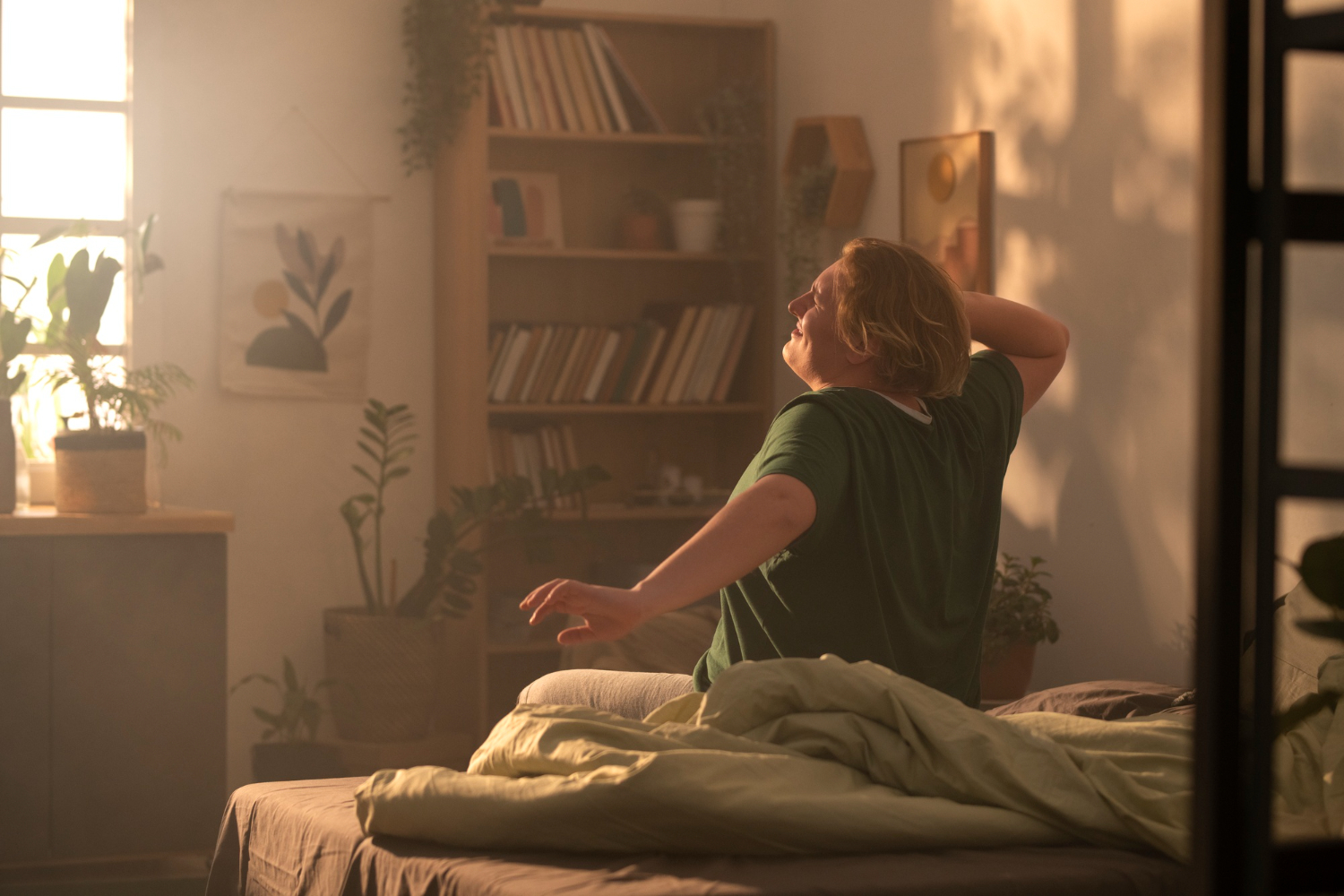
Gentle stretching in the morning or evening
Standing up regularly if sitting for long periods
Light household activities
Short Movement Breaks
Breaking long periods of sitting with light activity can help reduce stiffness.
Helpful habits include:
Stretching every 30–60 minutes
Taking short walking breaks
Moving shoulders, neck, and hips gently
These small breaks support comfort and posture throughout the day.
Building Strength and Balance Gradually
As your body adapts, gentle strengthening and balance activities can be added.
Simple Strength-Supporting Movements
Strength helps support joints and daily tasks.
Beginner-friendly options include:
These movements support functional strength without heavy strain.
VIDEO
Balance and Stability Practices
Balance supports confidence and mobility.
Examples include:
Weekly Movement Patterns for Consistency
Weekly routines help bring structure without rigidity.
Mixing Different Types of Activity
Variety supports overall movement health.
A balanced week may include:
Walking or low-impact cardio
Gentle strengthening exercises
Stretching or flexibility sessions
Rest or recovery days
Mixing activities keeps movement enjoyable and sustainable.
Allowing Rest and Recovery
Rest is an essential part of staying active.
Important reminders:
Include rest days when needed
Stretch gently after activity
Avoid pushing through pain
Adjust activity during illness or fatigue
Listening to your body supports long-term consistency.
Long-Term Habits for Staying Active
Long-term success comes from flexibility and awareness.
Adapting Movement to Life Changes
Your activity level may change with age, schedule, or energy.
Supportive strategies include:
Adjusting intensity during busy periods
Returning gently after time off
Focusing on consistency over performance
Movement should support your life, not add pressure.
Managing Stress Through Movement
Physical activity can also support mental well-being.
Safety, Awareness, and Body Signals
Safety should always come first.
Key reminders:
Stop activities that cause pain
Modify movements when tired
Avoid sudden increases in intensity
Seek professional guidance if unsure
Respecting body signals supports long-term health.
Tips for Staying Consistent
Consistency grows from realistic habits.
Practical tips:
Choose activities you enjoy
Schedule movement into your day
Focus on how movement makes you feel
Avoid comparing yourself to others
Small steps add up over time.
Conclusion
Staying active does not require intense workouts or strict schedules. Gentle, regular movement can support strength, flexibility, balance, and daily energy when practised consistently. By focusing on simple daily habits, balanced weekly routines, and long-term flexibility, physical activity can become a natural and supportive part of everyday life. Listening to your body, allowing rest, and choosing enjoyable activities help ensure movement remains sustainable and beneficial over time.
sources
World Health Organization (WHO)
Centers for Disease Control and Prevention (CDC)
Harvard Health Publishing


0 Comments