
Captivating Introduction
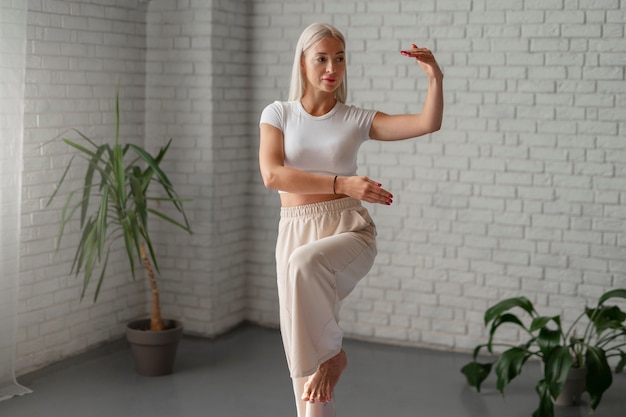
Imagine a world where the secret to longevity is not confined to the sterile environment of a gym, but rather found in the lively rhythms of dance. Low-impact dance, a form of exercise that marries movement with music, offers a delightful pathway to healthy aging. This article explores how incorporating this form of dance into daily fitness routines can lead to a longer, more vibrant life.
Science of Movement
At the heart of low-impact dance lies a symphony of scientific mechanisms that promote health. Unlike high-impact activities, low-impact dance gently elevates the heart rate, enhancing cardiovascular health while minimizing joint strain. The rhythmic movements improve flexibility and balance, which are pivotal for reducing fall risks, especially in older adults. Furthermore, engaging in dance stimulates the brain, fostering neuroplasticity and potentially delaying cognitive decline. The multisensory experience of dance, enriched by music, cues complex brain functions that enhance memory and coordination.
Steps to Start
Embarking on a low-impact dance routine is both simple and rewarding. Here are practical steps to integrate this energizing activity into your daily life:
- Choose Your Style: Explore different genres like salsa, ballroom, or even modern dance to find what resonates with you.
- Set a Schedule: Dedicate specific times in your week for dance sessions. Consistency is key to reaping long-term benefits.
- Start Slowly: Begin with short sessions, gradually increasing duration as your stamina improves.
- Focus on Form: Pay attention to posture and movements to prevent injuries and maximize benefits.
- Join a Class: Consider enrolling in a local dance class or using online platforms to learn and stay motivated.
Harmony with Nutrition
To amplify the benefits of low-impact dance, it is crucial to harmonize this activity with a balanced diet and healthy lifestyle choices. Nutrient-dense foods rich in antioxidants, such as berries and leafy greens, can enhance physical performance and recovery. Staying adequately hydrated supports joint health and muscle function, whereas sufficient protein intake aids in muscle repair and growth. Moreover, adequate sleep and stress management further complement the physical benefits of dance, creating a holistic approach to wellness.
Enduring Wellness
The long-term impact of low-impact dance on overall wellness is profound. Regular participation in dance can lead to sustained cardiovascular health, improved muscle tone, and enhanced mental acuity. Moreover, the social aspect of dance fosters community connections, which are vital for emotional health and longevity. As a form of creative expression, dance allows individuals to experience joy and fulfillment, contributing to a higher quality of life as they age.
Conclusion: Dance to Thrive
Incorporating low-impact dance into daily fitness routines offers a joyful, sustainable pathway to longevity. By bridging the gap between physical activity and mental well-being, dance becomes more than just exercise; it is a celebration of life. As we embrace this form of movement, we not only nurture our bodies but also enrich our minds and spirits, paving the way for a vibrant future.
Sources
The Effects of Dance on Health
Dance and Cognitive Function
Dance as a Form of Physical Activity
Psychological Benefits of Dance

