
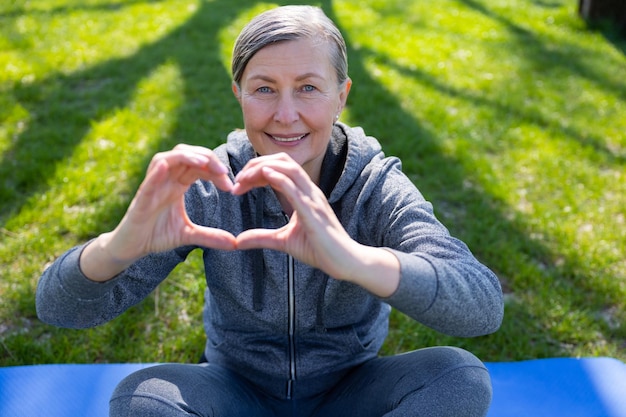
Embracing Health and Well-being After 40
Understanding Your Body’s Changes After 40
Reaching your 40s is a time of reflection and change. As you venture into this new decade, it’s natural to notice shifts in how you feel and how your body functions. These changes are a normal part of aging and can be managed with some simple lifestyle adjustments. Understanding these changes can empower you to embrace this new life stage with confidence and positivity.
Prioritizing Regular Physical Activity
Staying active is crucial as you age. Regular physical activity can help maintain strength, balance, and flexibility, which are essential as your body naturally loses muscle mass over time. Engaging in activities such as walking, yoga, or swimming can also boost your mood and improve overall well-being.
Start by incorporating 30 minutes of moderate exercise most days of the week.
Include both cardiovascular activities and strength-training exercises in your routine.
Find activities you enjoy to make it easier to stick with your routine.
Nutrition: Fueling Your Body Wisely
The foods you consume play a significant role in your health, especially as you get older. Ensuring a well-balanced diet can help you maintain a healthy weight, reduce the risk of chronic diseases, and promote longevity.
Focus on colorful fruits and vegetables, whole grains, lean proteins, and healthy fats.
Stay hydrated by drinking plenty of water throughout the day.
Limit the intake of processed foods, sugar, and sodium.
The Importance of Regular Health Screenings
Regular health check-ups can catch potential issues early and ensure you receive appropriate care promptly. Being proactive about your health can lead to better outcomes and peace of mind.
Schedule annual check-ups with your healthcare provider.
Stay up-to-date with recommended screenings such as blood pressure, cholesterol, and cancer screenings.
Discuss any changes or symptoms with your doctor, no matter how minor they may seem.
Maintaining Mental and Emotional Health
Your mental and emotional well-being is just as important as your physical health. Finding ways to manage stress and nurture your mental health can enhance your quality of life.
Practice mindfulness or meditation to reduce stress and promote relaxation.
Engage in activities that bring you joy and connect with others socially.
Seek support from mental health professionals if you’re feeling overwhelmed or struggling emotionally.
Takeaway: Embrace Aging with Positivity
Aging is a natural part of life that comes with its own set of challenges and opportunities. By taking proactive steps to care for your physical, nutritional, and mental health, you can navigate this phase with grace and positivity. Embrace the journey and focus on living a balanced and fulfilling life in your 40s and beyond.
Sources
For further information and guidance, consider consulting reputable health websites such as the Centers for Disease Control and Prevention (CDC), National Institute on Aging (NIA), and World Health Organization (WHO). These resources offer valuable advice and tips for healthy aging.

