
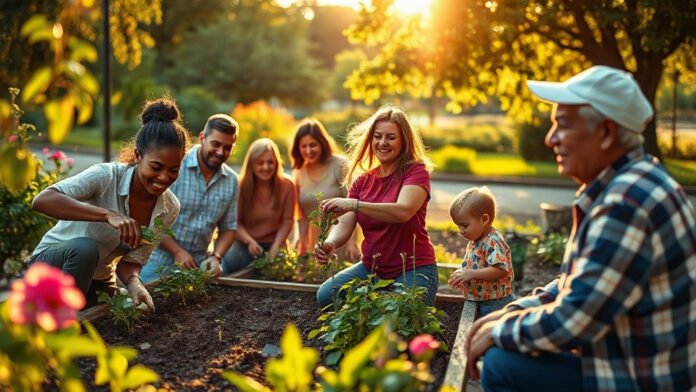
Volunteering: A Path to Longevity
Imagine a world where the simple act of giving your time and energy can significantly improve your health and potentially extend your life. This is not a utopian dream but a reality backed by a growing body of scientific research. Volunteering, often seen as a noble endeavor, is now being recognized for its profound impact on longevity and wellbeing. As we delve deeper into this topic, we uncover the intricate mechanisms through which volunteering influences our mental and physical health, offering practical steps to harness its benefits and exploring its long-term impact on our lives.
The Science of Giving
At the heart of volunteering’s impact on health lies a fascinating interplay of psychological and physiological mechanisms. Engaging in volunteer activities has been shown to activate the brain’s reward system, releasing neurotransmitters like dopamine and oxytocin, which are associated with feelings of happiness and reduced stress. This biochemical response can enhance mood and promote emotional resilience.
Moreover, volunteering often involves social interaction, which is crucial for cognitive health. It helps reduce feelings of isolation, a known risk factor for numerous health issues, including heart disease and depression. Studies have also indicated that regular volunteering can lower blood pressure, reduce chronic pain, and even prolong life by enhancing overall life satisfaction and purpose.
Getting Started: Practical Tips
Embarking on a volunteering journey can be immensely rewarding, but knowing where to start is key. Here are some practical steps to help you get involved:
- Identify Your Passion: Choose a cause that resonates with you personally, whether it’s animal welfare, education, or community service.
- Start Small: Begin with a few hours a week to gauge how volunteering fits into your lifestyle and gradually increase your involvement.
- Leverage Your Skills: Use your unique skills and experiences to contribute meaningfully, whether through teaching, mentoring, or organizing events.
- Join Local Groups: Engage with local organizations or clubs that align with your interests to make a direct impact in your community.
- Set Realistic Goals: Balance your volunteering commitments with personal and professional responsibilities to avoid burnout.
Synergizing Nutrition and Lifestyle
While volunteering offers significant health benefits on its own, combining it with healthy lifestyle choices can amplify its effects. Nutrition plays a critical role in supporting the body’s response to social engagement and stress. Consuming a diet rich in antioxidants and omega-3 fatty acids can enhance brain function and emotional health, making your volunteering experience more fulfilling and less taxing.
Incorporating regular physical activity, such as yoga or walking, complements the mental and emotional benefits of volunteering. Exercise is known to boost mood-enhancing endorphins and improve immune function, creating a robust foundation for overall well-being.
Wellbeing Beyond the Moment
The long-term impact of volunteering extends far beyond immediate health benefits. Regular participation in volunteer activities has been linked to increased longevity, attributed to sustained psychological and social engagement. By fostering a sense of community, volunteering provides a support network that can be invaluable in times of personal crisis or transition.
Moreover, the skills and experiences gained through volunteering can enhance personal development, leading to improved self-esteem and a greater sense of purpose. These factors collectively contribute to a higher quality of life, making volunteering a powerful tool for long-term wellness.
Conclusion: Embrace the Gift
Volunteering is more than an altruistic endeavor; it is a pathway to enhanced health and longevity. By engaging in activities that align with your values and leveraging your skills, you can unlock a treasure trove of benefits that fortify both your mind and body. Coupled with a healthy lifestyle, volunteering can lead to a more fulfilling and longer life, enriching not only your existence but also the lives of those you touch. As you consider your next steps, remember that every moment spent in service is a gift not only to others but to yourself.
Sources
Harvard Health Publishing: The Health Benefits of Volunteering
National Institutes of Health: Volunteering and Health
Psychology Today: Does Volunteering Improve Your Health?
American Psychological Association: Volunteerism and Mental Health

