
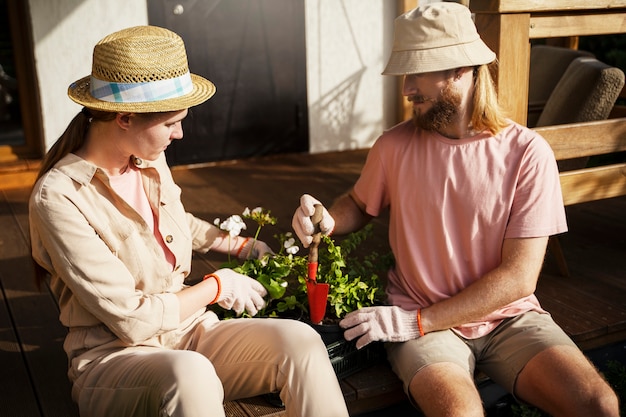
Nature’s Bounty: Seed to Longevity
The allure of gardening is timeless, offering more than just aesthetic pleasure or a source of fresh produce. As we dig deeper into the soil, we unearth the profound impact that simple home gardening can have on our longevity and overall well-being. Beyond the physical exertion and the satisfaction of growing one’s own food, gardening is an activity that intertwines with the very fabric of life, cultivating a healthier, more fulfilled existence.
The Science of Growth
At the heart of gardening’s health benefits lies a combination of physical activity, mental stimulation, and nutritional rewards. Engaging in gardening tasks such as planting, weeding, and harvesting involves moderate cardiovascular exercise. According to research, this low-impact activity can help reduce the risk of chronic illnesses, including heart disease and obesity. Additionally, the exposure to sunlight during gardening increases vitamin D synthesis, essential for bone health and immune function.
Moreover, gardening is known to enhance mental health by reducing stress and promoting relaxation. The act of tending to plants provides a form of mindfulness that can lower cortisol levels and boost mood. Furthermore, soil itself contains Mycobacterium vaccae, a bacterium that can stimulate serotonin production, potentially alleviating depression and anxiety.
Cultivating Your Garden
Starting your own garden need not be daunting. Here’s a practical guide to embark on your gardening journey:
- Start Small: Begin with a few easy-to-grow plants like herbs or leafy greens.
- Choose the Right Spot: Ensure your garden area gets adequate sunlight, typically at least 6 hours a day.
- Prepare the Soil: Use nutrient-rich soil and consider composting to enhance fertility.
- Water Wisely: Be consistent with watering, preferably in the morning to reduce evaporation.
- Protect Your Plants: Use natural pesticides and mulching to safeguard against pests and weeds.
- Rotate Crops: Practice crop rotation to maintain soil health and reduce disease.
Nutritional Harmony
The synergy between gardening and nutrition is undeniable. Home-grown vegetables and fruits are fresher and more nutrient-dense compared to store-bought counterparts, which may lose nutrients during transport. Consuming a diet rich in garden-fresh produce supports a healthy gut microbiome, essential for digestion and overall health.
Furthermore, gardening encourages a plant-based diet, which is associated with lower risks of chronic diseases. The act of growing your own food fosters a deeper appreciation and understanding of healthy eating, promoting lifelong dietary habits that support longevity.
Sustained Vitality
The long-term wellness impact of gardening extends beyond physical health. It fosters a sense of purpose and accomplishment, crucial for mental well-being, especially in older adults. Regular gardening can help maintain cognitive function, reduce the risk of dementia, and enhance social connections through shared gardening activities.
Furthermore, gardening instills a sense of environmental stewardship, encouraging sustainable practices that benefit both personal health and the planet. This holistic approach to health aligns with the principles of longevity, emphasizing balance, harmony, and resilience.
Rooted Well-being
In conclusion, simple home gardening offers a wealth of benefits that contribute to a longer, healthier life. By nurturing plants, we inadvertently nurture ourselves, cultivating both physical and mental resilience. Whether you possess a sprawling backyard or a modest balcony, the potential to enhance your well-being through gardening is within reach. Embrace the journey from seed to sustenance, and let the garden be your gateway to longevity.
Sources
Gardening as a Health-Promoting Activity
Harvard Health: The Benefits of Gardening
Mental Health Benefits of Gardening
Vitamin D and Sunlight Exposure

