
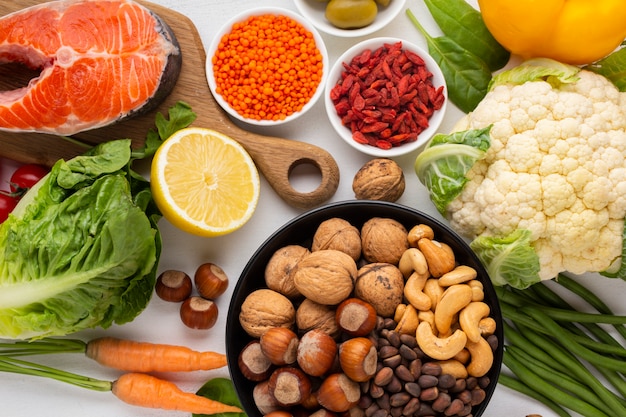
Good-for-You Longevity Foods
Unsplash Image Search: Longevity foods
The journey to longevity isn’t just a marathon; itâs a series of well-considered decisions that transform the way our bodies age. When you’re over 40, the whispers of your body may turn into loud calls for attention. Energy levels can dip, skin starts to change its texture, and mental sharpness may require a little boost. Somewhere between adjusting to these changes and thriving lies the path paved by the right foods. What you eat can be your daily reinforcement, bolstering your body’s ability to keep up with your lifestyle, all while adding vitality to your years.
The increasing interest in food as a foundation for healthy aging couldnât be more timely. Research suggests that nutrition plays a significant role in the quality of life and longevity. It’s not about following strict diets or overwhelming yourself with superfoods. Rather, it’s about making informed choices that can support you in feeling your best at any age.
So how can you make nutrition work for you? Here are some key foods and the roles they may play in paving the road to vibrant, long-lived health.
Fruits with Antioxidants
Fruits like blueberries, strawberries, and oranges are bursting with antioxidants, which are essential for combating oxidative stress. As you age, your body’s ability to counteract stress diminishes, potentially accelerating aging and related diseases. Antioxidant-rich fruits are associated with maintaining mental clarity and supporting brain health, which become paramount as we grow older.
Blueberries: Often regarded as a brain-boosting food, they may help improve memory.
Oranges: Packed with vitamin C, they help bolster the immune system.
Leafy Greens and Cruciferous Vegetables
Incorporating leafy greens such as spinach and kale, and cruciferous veggies like broccoli and Brussels sprouts, can bolster your body’s defense systems. They are rich in essential vitamins and minerals like vitamin K, which is associated with supporting bone health. As we age, maintaining bone density becomes crucial in preventing fractures and osteoporosis.
Spinach: High in lutein, beneficial for eye health.
Broccoli: Contains sulforaphane, which is suggested to support cellular health.
Nourishing Legumes
Legumes, such as lentils and chickpeas, are nutrient-dense powerhouses supporting heart health through their fiber content. They are a source of plant-based protein, essential for muscle maintenance and repair, especially vital as muscle mass naturally declines with age.
Lentils: Known for iron, crucial for energy production.
Chickpeas: Provides magnesium, aids in regulating sleep patterns.
Healthy Fats from Nuts and Fish
Integrating healthy fats from sources like almonds, walnuts, and fatty fish into your diet can support heart health and cognitive function. Omega-3 fatty acids found in fish like salmon have been linked with increased brain function and a reduced risk of age-related cognitive decline.
Salmon: High in EPA and DHA, may support brain health.
Almonds: Rich in vitamin E, helpful in maintaining skin health.
Whole Grains for Sustained Energy
Whole grains like quinoa, brown rice, and oats release energy slowly, helping to maintain steady energy levels throughout the day. They are high in fiber and other nutrients that can help maintain heart health, preventing conditions like heart disease, which can be more prevalent as we age.
Quinoa: A complete protein source for vegetarians.
Oats: May help reduce cholesterol levels.
Simple Daily Takeaways
Include a variety of fruits and vegetables to harness different antioxidants and vitamins.
Prioritize foods that provide brain-supportive nutrients like omega-3 fatty acids.
Focus on whole, minimally processed foods for better nutrient retention.
Remember balance ââ¬â combine these foods with a lifestyle that includes regular physical activity and adequate sleep.

