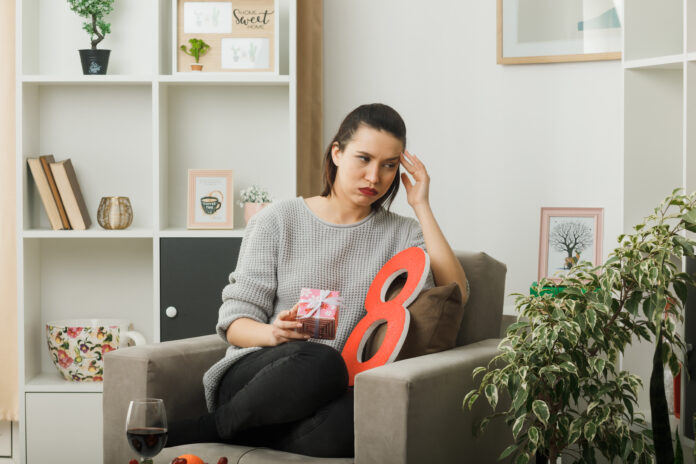
Low iron levels cause mood changes that doctors often miss — here’s what to check first.
KEY STATISTICS
- Up to 25% of women aged 25-35 have iron deficiency without knowing it
- Iron deficiency shares 80% of symptoms with clinical depression
- Your brain uses 20% of your body’s iron supply for neurotransmitter production
You’ve been to three doctors about your constant fatigue and low mood. They’ve suggested therapy, antidepressants, or stress management. But what if the real culprit is sitting in your blood work — a simple iron deficiency that’s starving your brain of what it needs to function?
How Iron Affects Mood
Iron carries oxygen to every cell in your body, including brain cells that produce mood-regulating chemicals. When iron levels drop, your brain can’t make enough dopamine and serotonin — the same neurotransmitters targeted by antidepressants.
Your body prioritizes iron for vital organs first. Brain function gets shortchanged when supplies run low. This creates a perfect storm of symptoms that look identical to depression: fatigue, difficulty concentrating, irritability, and emotional numbness.
The tricky part is that iron deficiency can exist without anemia. Your hemoglobin might look normal on basic blood work, but your iron stores (ferritin) could be dangerously low.
Why Your Generation Struggles
Adults in their twenties and thirties face unique iron challenges that older generations didn’t experience. Heavy menstrual periods can drain 15-20mg of iron monthly — more than most diets can replace.
Plant-based diets have become popular in this age group, but plant iron (non-heme) is much harder to absorb than iron from meat. Your body only absorbs 2-10% of plant iron compared to 15-25% from animal sources.
Stress and poor sleep — common in early career years — actually increase your iron needs. Chronic inflammation from stress interferes with iron absorption and utilization, creating a vicious cycle.
Warning Signs to Watch
- Persistent fatigue that doesn’t improve with sleep or rest
- Difficulty concentrating or ‘brain fog’ throughout the day
- Unusual cravings for ice, starch, or non-food items
- Heavy menstrual periods lasting more than 7 days
- Restless legs or strange sensations in your limbs at night
What Actually Helps
The most absorbable iron comes from red meat, poultry, and fish. If you eat meat, aim for 3-4 servings weekly of beef, lamb, or organ meats like liver.
For plant-based sources, combine iron-rich foods with vitamin C to boost absorption. Pair spinach with citrus, lentils with tomatoes, or fortified cereals with orange juice.
Timing matters more than you think. Avoid coffee, tea, or calcium supplements within 2 hours of iron-rich meals — they can block absorption by up to 60%. Take iron supplements on an empty stomach when possible.
Action lan ChecklistP
- Request a complete iron panel including ferritin, not just basic CBC
- Track your menstrual cycle and note heavy bleeding patterns
- Eat iron-rich foods with vitamin C sources at the same meal
- Separate coffee, tea, and dairy from iron intake by 2+ hours
- Consider iron supplementation if ferritin levels fall below 30 ng/mL
The Gut Connection
Your gut health directly impacts iron absorption, and this connection is often overlooked. Stomach acid helps convert iron into an absorbable form, but antacids, PPI medications, and H. pylori infections can interfere.
Food sensitivities and inflammatory gut conditions reduce your ability to absorb iron from any source. Even with perfect iron intake, absorption problems can keep you deficient.
Stress eating and irregular meal patterns also matter. Skipping breakfast or eating on-the-go reduces stomach acid production when you need it most for nutrient absorption.
Bottom Line
Iron deficiency can perfectly mimic depression symptoms, especially in women aged 25-35. Getting proper testing and addressing absorption factors often resolves mood and energy issues faster than you’d expect. Don’t accept fatigue and brain fog as normal — your body might just need better fuel.
Always consult a qualified healthcare provider before making changes to your health routine.
Sources
- Iron deficiency and depression in women — Journal of Psychiatric Research
- Iron status and cognitive function — American Journal of Clinical Nutrition
- Iron deficiency without anemia — Harvard Health Publishing