Introduction
Staying active is an important part of maintaining comfort, mobility, and independence throughout life. Physical activity is often associated with intense workouts or structured exercise programs, but movement does not need to be strenuous to be beneficial. Simple, regular movement woven into everyday routines can support strength, balance, and flexibility over time.
The key to long‑term activity is choosing movements that feel manageable and fit naturally into daily life. When activity feels realistic and enjoyable, it is more likely to become a consistent habit. This article explores gentle and practical ways to stay active through everyday movement, focusing on safety, balance, and sustainability rather than intensity or performance.
Preparing the Body for Daily Movement
Before starting any movement, it helps to prepare the body in a gentle and mindful way.
-
Wear comfortable clothing that allows easy movement
-
Use supportive footwear when possible
-
Start with slow, easy motions
-
Choose a safe, clutter‑free space
-
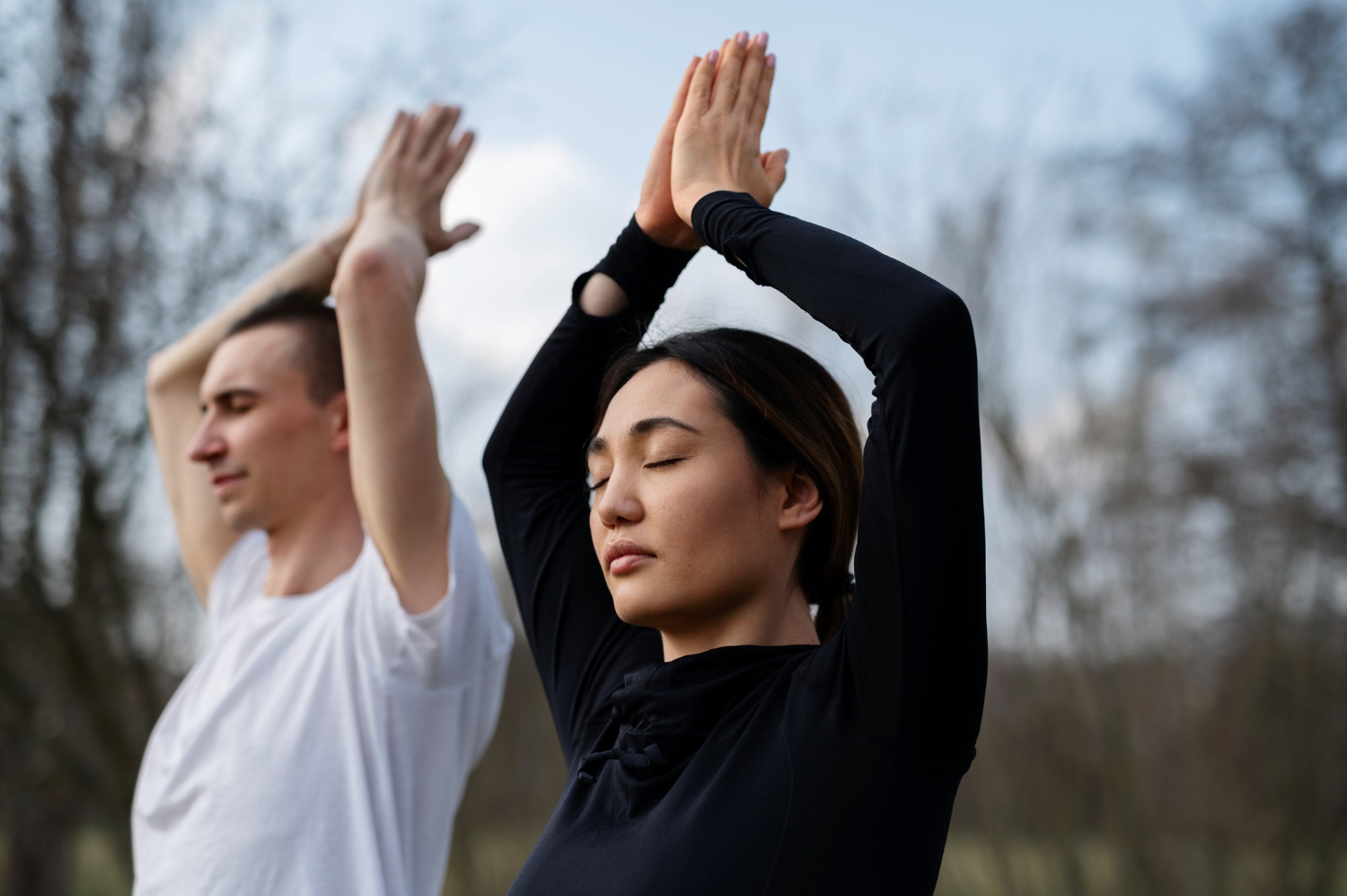
Focus on steady and relaxed breathing
A calm start helps reduce stiffness and supports safer movement throughout the day.
Everyday Movement That Supports Comfort
Walking as a Daily Habit
Walking is one of the most accessible forms of movement.
-
Short walks indoors or outdoors
-
Walking at a comfortable, natural pace
-
Breaking longer walks into smaller sessions
-
Using walking as part of daily routines
Walking supports circulation, joint movement, and overall mobility without requiring special equipment.
Gentle Strength‑Supporting Movement
Maintaining strength helps support daily tasks such as standing, carrying items, and maintaining posture.
-
Standing up from a chair slowly and with control
-
Carrying light household objects
-
Using body weight for gentle movements
-
Moving at a steady and controlled pace
Strength‑supporting movement does not need heavy resistance to be effective.
Stretching and Flexibility
Flexibility supports range of motion and daily comfort.
-
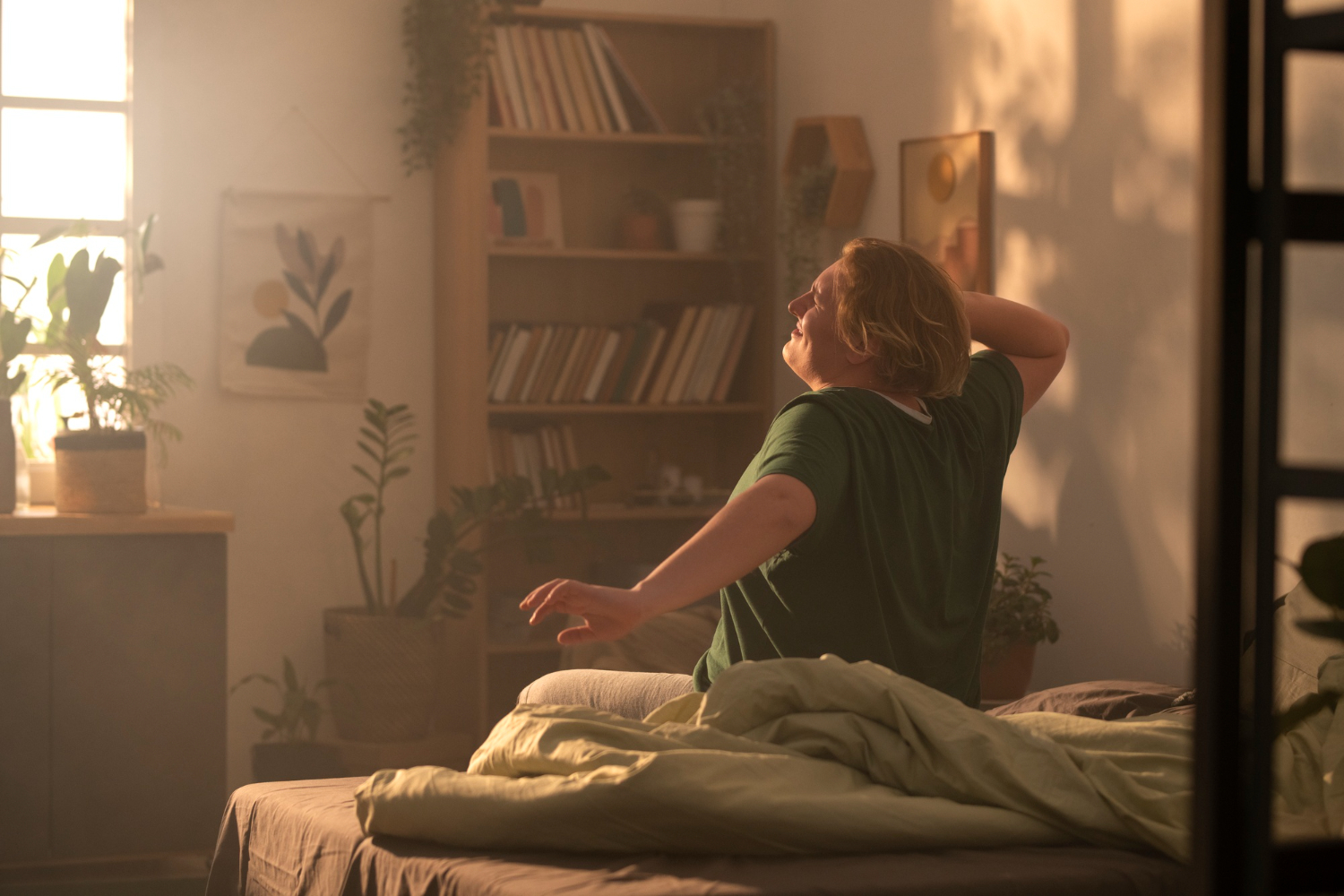
Gentle stretching in the morning or evening
-
Stretching without bouncing or forcing
-
Holding stretches at a comfortable level
-
Stopping if discomfort appears
Stretching should feel relieving rather than painful.
Weekly Focus Areas
Balance Awareness
Balance plays an important role in daily safety and confidence.
-
Standing on one foot near a stable surface
-
Shifting weight slowly from side to side
-
Practicing controlled movements
-
Paying attention to posture and alignment
Balance‑focused movement can support stability during everyday activities.
Posture and Alignment
Posture affects how the body feels during both movement and rest.
-
Sitting with feet flat on the floor
-
Keeping shoulders relaxed
-
Avoiding long periods in one position
-
Adjusting posture throughout the day
Good alignment helps reduce unnecessary strain on the body.
Maintaining Movement Over Time
Consistency Over Intensity
Regular movement is often more helpful than occasional intense activity.
-
Choose movements that feel enjoyable
-
Move a little each day when possible
-
Increase activity gradually
-
Allow rest days when needed
Consistency allows the body to adapt naturally over time.
Listening to Physical Signals
The body provides valuable feedback during movement.
-
Slow down if discomfort appears
-
Rest when feeling overly tired
-
Modify movements instead of stopping completely
-
Respect personal limits
Listening to the body helps prevent strain and injury.
Safety and Recovery
Safety should always be a priority when staying active.
-
Stop activity if pain or dizziness occurs
-
Stay hydrated before and after movement
-
Allow time for rest and recovery
-
Avoid pushing through discomfort
Recovery is an essential part of maintaining movement habits.
Tips for Staying Motivated
Motivation grows when activity feels achievable and rewarding.
-
Choose movements that fit daily life
-
Set realistic and flexible goals
-
Focus on how movement supports everyday tasks
-
Track progress in simple ways
-
Celebrate consistency rather than performance
Enjoyable routines are easier to maintain long term.
Conclusion
Staying active does not require intense exercise or strict routines. Simple, consistent movement can support mobility, strength, and confidence over time. By focusing on gentle activity, balance, and awareness, it becomes easier to stay active in a way that fits naturally into everyday life. Small movements practiced regularly can contribute to long‑term comfort and independence without unnecessary strain.
Always consult a qualified professional before making health or fitness changes.


0 Comments