
Tips to Keep Joints Flexible After 40
Unsplash Image Search: joint flexibility wellness
For many, the age of 40 marks a turning point â a time when our bodies start to communicate more acutely about the years we’ve logged. Among these whispers, joint stiffness often steps into the spotlight, reminding us of long-lost flexibility and anecdotes of youthful agility. Yet, this phase of life doesnât have to be defined by what we canât do. Instead, it invites us to explore what we can do to maintain and even improve our joint flexibility as we age.
Joint health is pivotal to our overall mobility and quality of life. It’s at the core of every step, twist, and turn. The good news? There’s a proactive path to keeping our joints as vibrant as the rest of our lives, allowing us to embrace both the daily adventures and the unexpected detours.
Understanding how joints change with age and learning how to nurture them can empower us. By integrating simple actions into our routines, we can enjoy a greater range of motion and comfort, letting us live life to the fullest. Letâs explore some insightful strategies.
The Impact of Age on Joint Flexibility
With age, several factors contribute to changes in joint flexibility. As we celebrate more birthdays, it’s natural for the cartilage that cushions our joints to gradually thin, which can lead to a sensation of stiffness. Additionally, the production of synovial fluid â the substance that lubricates our joints â tends to decrease, adding to rigidity.
Beyond the physical changes, lifestyle and habits play a crucial role. Sedentary behavior, common in many modern lifestyles, can exacerbate stiffness, leading to reduced activity levels, which in turn may impact joint health even further. Recognizing these changes can help us take steps to maintain flexibility before significant limitations set in.
Incorporating Stretching into Daily Routines
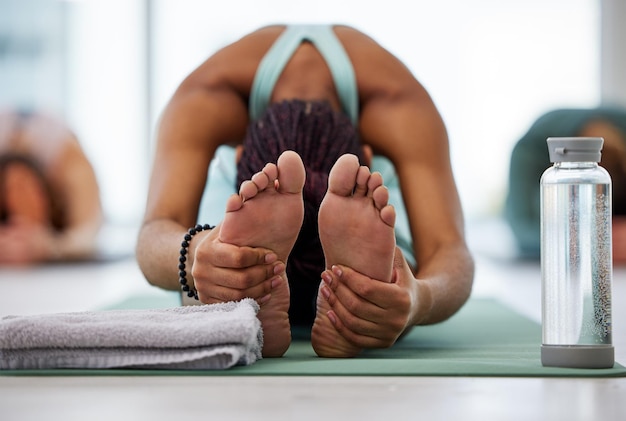
Stretching is often underestimated, yet it plays a crucial role in maintaining joint health. Regular stretching helps to increase flexibility, expand the range of motion, and improve circulation, which can support healthy joints.
Focus on dynamic stretches that gently increase range of motion, including those for the shoulders, hips, and ankles.
Consider integrating yoga or Pilates, which emphasize flexibility and joint health, into your weekly routine.
Dedicate as little as ten minutes a day to stretching, to feel gradual but noticeable improvements.
Nourishing Joints Through Diet
While diet alone cannot overhaul joint flexibility, it plays a supportive role in joint health. Certain nutrients offer potential benefits that support joint function and reduce stiffness.
Healthy fats from sources like avocados, olives, and fatty fish provide essential fatty acids that may support joint lubrication.
Collagen-rich foods, such as bone broth, may contribute to joint health by providing necessary building blocks for cartilage.
Include colorful fruits and vegetables high in antioxidants to help manage inflammation.
Staying Active: The Key to Longevity
Remaining physically active is one of the most effective ways to maintain joint flexibility. Activity enhances blood flow, nourishes cartilage, and strengthens the muscles around your joints, which can help protect them from excess strain.
Low-impact exercises like swimming, cycling, or walking are excellent choices that offer cardiovascular benefits without overstressing joints.
Strength training, focusing particularly on muscle groups surrounding major joints, can offer additional support and stability.
Commit to at least 150 minutes of moderate aerobic activity each week, as recommended by health experts.
Managing Joint Health Through Rest and Recovery
Recovery is as crucial as activity when it comes to maintaining joint health. Paying attention to rest can prevent overuse injuries and serve as a time for muscles and joints to recuperate.
Ensure adequate sleep, as this is the period when the body repairs tissues and recharges hormonal balance.
Consider practices such as meditation or gentle yoga, which can aid in relaxation and reduce tension around joints.
Regularly check in with healthcare providers to monitor joint health and adapt your routines as necessary.
Simple Daily Takeaways
Incorporate daily stretches and consider yoga or Pilates.
Embrace a diet rich in healthy fats, collagen, and antioxidants.
Stay regularly active with low-impact exercises and strength training.
Prioritize rest and nighttime rejuvenation.

