Introduction
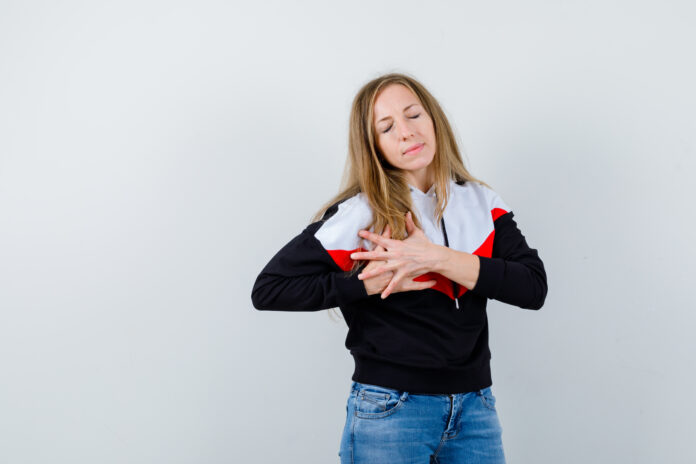
Experiencing a sudden racing heartbeat, even while at rest, can be unsettling. You may feel your heart pounding, fluttering, or beating faster than usual without any clear trigger such as exercise or stress. While occasional changes in heart rate are normal, frequent or unexplained episodes can raise concern and affect your sense of well-being.
The heart is highly responsive to both physical and emotional changes, and even subtle shifts in the body can influence its rhythm. What may seem like “no reason” is often linked to underlying physiological responses or lifestyle factors that are not immediately obvious.
Understanding why your heart races unexpectedly can help you identify potential triggers and determine whether the condition is harmless or requires medical attention. Early awareness plays a key role in maintaining heart health and preventing complications.
Understanding the Topic
A sudden increase in heart rate is commonly referred to as palpitations or tachycardia. This occurs when the heart beats faster than normal, typically exceeding 100 beats per minute in adults at rest.
While palpitations can feel alarming, they are often temporary and may not indicate a serious problem. However, when they occur frequently or without an obvious cause, they may reflect underlying issues such as stress, hormonal changes, or irregular heart rhythms.
The sensation may vary from person to person, ranging from a mild awareness of heartbeat to intense pounding or fluttering in the chest.
How the Body/System Works
The heart’s rhythm is controlled by electrical signals that coordinate each heartbeat. These signals originate in a natural pacemaker called the sinoatrial (SA) node, which regulates heart rate based on the body’s needs.
When the body requires more oxygen—such as during exercise or stress—the heart rate increases. Conversely, during rest, the heart slows down.
Disruptions in this system, whether due to external triggers or internal imbalances, can cause the heart to beat faster than usual. Hormones, the nervous system, and electrolyte balance all play critical roles in maintaining a stable rhythm.
Main Causes / Factors
Several factors can lead to sudden heart racing:
- Anxiety or emotional stress
- Excessive caffeine or stimulant intake
- Dehydration affecting blood volume
- Lack of sleep
- Sudden changes in body position
These triggers may not always be obvious but can significantly impact heart rate.
Medical Conditions Linked
Frequent or severe episodes may be associated with medical conditions such as:
- Arrhythmias: Irregular heart rhythms
- Thyroid disorders: Affect metabolism and heart rate
- Anemia: Causes the heart to work harder
- Heart disease: Impacts electrical signaling
These conditions often require medical evaluation.
Lifestyle and Behavioral Factors
Daily habits can influence heart rhythm:
- High caffeine consumption
- Smoking or alcohol use
- Poor stress management
- Sedentary lifestyle
Improving these habits can help regulate heart rate.
Age or Risk Factors
Certain individuals may be more prone to palpitations:
- Young adults experiencing anxiety or stress
- Older adults with cardiovascular conditions
- Individuals with hormonal fluctuations
Risk increases with existing health conditions.
Other Contributing Factors
Additional influences include:
- Hormonal changes
- Certain medications
- Electrolyte imbalances
- Environmental stressors
These factors can disrupt the heart’s normal rhythm.
Symptoms to Watch For
Common symptoms associated with a racing heart include:
- Rapid or pounding heartbeat
- Fluttering sensation in the chest
- Shortness of breath
- Dizziness or lightheadedness
- Chest discomfort
Monitoring these symptoms can help determine severity.
When to Seek Medical Help
Seek immediate medical attention if:
- Heart racing is accompanied by chest pain
- There is fainting or severe dizziness
- Episodes are frequent or prolonged
- You have a history of heart disease
Early diagnosis is essential for proper management.
Prevention Tips
You can reduce episodes with simple lifestyle changes:
- Limit caffeine and stimulants
- Stay hydrated
- Practice stress management techniques
- Maintain regular sleep patterns
- Engage in regular physical activity
These habits support overall heart health.
Treatment Overview
Treatment depends on the underlying cause. For mild cases, lifestyle adjustments may be sufficient. In cases involving medical conditions, treatment may include medications, monitoring, or specialized procedures to regulate heart rhythm.
Healthcare providers may recommend tests such as ECG or blood work to identify the cause and guide treatment.
Conclusion
A sudden racing heart can feel alarming, but it is often linked to manageable factors such as stress, lifestyle habits, or minor physiological changes. However, when episodes occur frequently or are accompanied by other symptoms, they should not be ignored.
Understanding how your body regulates heart rate and recognizing potential triggers can help you take control of your health. Simple lifestyle adjustments can often reduce symptoms, while medical evaluation ensures that any serious conditions are addressed early.
Taking a proactive approach to heart health allows you to maintain both physical well-being and peace of mind.