
Introduction
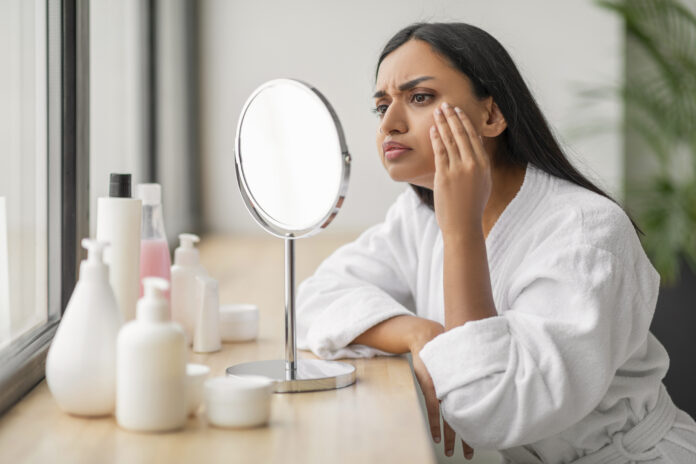
You invest in quality skincare products, follow routines consistently, and still wake up to skin that looks dull, tired, or lifeless. This can be frustrating, especially when you expect glowing results from your efforts. The truth is, glowing skin is not just about what you apply externally—it reflects what’s happening inside your body as well.
Dull skin often develops gradually due to a combination of lifestyle habits, environmental exposure, and internal imbalances. Even the best skincare routine can fail if underlying factors are ignored. Understanding why your skin lacks radiance can help you correct the root causes and restore a natural, healthy glow that lasts beyond temporary fixes.
Understanding the Topic
Dull skin refers to a lack of brightness, uneven tone, or a rough texture that makes the skin appear tired. It is usually caused by the accumulation of dead skin cells, dehydration, or reduced blood circulation to the skin surface.
While cosmetic products can temporarily improve appearance, true skin vitality depends on cellular health, hydration levels, and proper nourishment.
How the Body/System Works
Your skin is the body’s largest organ and constantly renews itself through a process called cell turnover. New skin cells are produced in the deeper layers and gradually move to the surface.
Healthy skin relies on:
- Adequate hydration
- Proper blood circulation
- Balanced oil production
- Nutrient supply from the bloodstream
When this cycle slows down or becomes disrupted, dead skin accumulates on the surface, leading to a dull and uneven appearance.
Main Causes / Factors
Several common factors contribute to dull skin:
- Lack of proper hydration
- Poor diet lacking essential nutrients
- Irregular exfoliation leading to dead skin buildup
- Inadequate sleep
- Excessive exposure to pollution and UV rays
Using too many products or harsh chemicals can also damage the skin barrier, making the skin appear lifeless.
Medical Conditions Linked
In some cases, dull skin may be linked to underlying conditions such as:
- Anemia
- Hypothyroidism
- Dehydration
These conditions affect oxygen supply, hydration, and metabolism, all of which impact skin appearance.
Lifestyle and Behavioral Factors
Your daily habits have a direct effect on your skin:
- Skipping meals or eating processed foods reduces nutrient intake
- Lack of sleep prevents skin repair
- Smoking reduces blood flow and oxygen delivery
- High stress levels trigger hormonal imbalances
Even frequent touching of the face or improper cleansing can contribute to dullness.
Age or Risk Factors
Certain individuals are more prone to dull skin:
- Adults with slower cell turnover
- People exposed to high pollution levels
- Individuals with dry or sensitive skin types
- Those experiencing hormonal changes
As you age, natural collagen production decreases, making skin appear less vibrant.
Other Contributing Factors
Additional factors that may worsen dull skin include:
- Dehydration from insufficient water intake
- Overuse of makeup without proper removal
- Lack of sunlight or excessive indoor lifestyle
- Poor air quality
These factors gradually affect the skin’s natural glow and texture.
Symptoms to Watch For
- Uneven skin tone
- Rough or dry texture
- Lack of natural glow
- Dark circles or tired appearance
- Flaky or patchy skin
When to Seek Medical Help
Consult a healthcare or dermatology professional if:
- Skin dullness persists despite proper care
- There are signs of severe dryness or irritation
- You experience sudden changes in skin tone
- There are underlying symptoms like fatigue or hair loss
- Skin issues affect confidence or daily life
Prevention Tips
- Stay hydrated throughout the day
- Eat a balanced diet rich in vitamins and antioxidants
- Maintain a consistent skincare routine
- Use sunscreen daily
- Get adequate sleep
- Manage stress effectively
Treatment Overview
Treatment focuses on improving both internal and external factors.
Lifestyle-based improvements include:
- Increasing water intake
- Improving diet quality
- Regular exercise to boost circulation
Skincare-based approaches may include:
- Gentle exfoliation to remove dead skin
- Hydrating serums and moisturizers
- Professional treatments like facials or chemical peels
Addressing internal health often leads to more sustainable and noticeable results.
Conclusion
Dull skin is not just a cosmetic concern—it often reflects deeper imbalances in your body and lifestyle. While skincare products can enhance your appearance, they cannot fully compensate for poor hydration, nutrition, or sleep habits. True radiance comes from a combination of internal health and external care.
By understanding the factors that contribute to dullness and making consistent lifestyle improvements, you can restore your skin’s natural glow over time. Simple habits like drinking enough water, eating nutrient-rich foods, and maintaining a proper skincare routine can make a significant difference. If issues persist, seeking professional advice ensures that any underlying conditions are addressed effectively, helping you achieve healthier, more vibrant skin.

