
Introduction
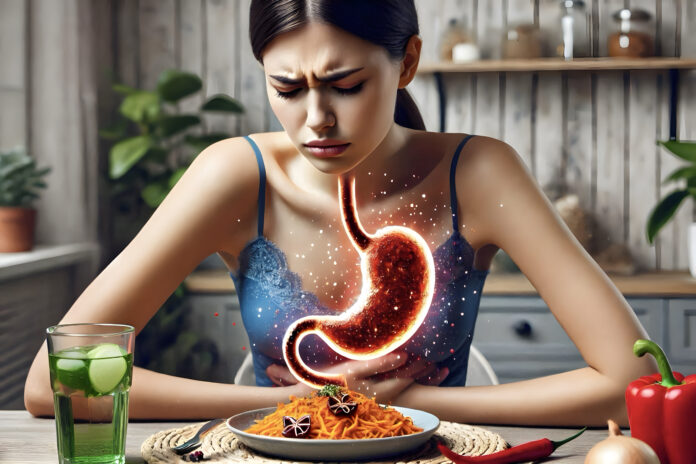
A bloated stomach can make you feel uncomfortable, tight, and even self-conscious, especially when it happens despite eating very little. You may notice your abdomen appearing swollen, feeling heavy, or experiencing pressure that doesn’t match your food intake. While occasional bloating is common, persistent or unexplained bloating can signal digestive or metabolic imbalances that require attention.
Bloating is not always directly related to how much you eat. It often reflects how your body processes food, manages gas, and regulates digestion. Factors such as gut health, food sensitivity, hydration, and stress can all play a role. Understanding why bloating occurs even without overeating can help you manage symptoms effectively and improve your digestive health.
Understanding the Topic
Bloating refers to a sensation of fullness, tightness, or swelling in the abdomen. It may or may not be accompanied by visible distension.
This condition can result from gas buildup, slow digestion, or fluid retention. Even small amounts of food can trigger bloating if the digestive system is sensitive or not functioning efficiently.
How the Body/System Works
The digestive system breaks down food, absorbs nutrients, and eliminates waste. During this process, gases are naturally produced as a byproduct of digestion, especially when gut bacteria ferment certain foods.
Normally, these gases are expelled without causing discomfort. However, if digestion slows down or gas accumulates, it can lead to bloating. The movement of food through the intestines, known as gut motility, also plays a key role.
Hormones and the nervous system influence digestion, meaning stress or hormonal changes can affect how efficiently your body processes food.
Main Causes / Factors
Several factors can contribute to bloating even without eating much:
- Gas buildup in the digestive tract
- Slow digestion or reduced gut motility
- Food intolerances
- Dehydration
- Stress affecting digestion
These factors can disrupt normal digestive function.
Medical Conditions Linked
Persistent bloating may be associated with conditions such as:
- Irritable Bowel Syndrome – Causes bloating, gas, and irregular bowel movements.
- Lactose Intolerance – Leads to gas and bloating after dairy consumption.
- Gastroesophageal Reflux Disease – Can cause abdominal discomfort and bloating.
- Small Intestinal Bacterial Overgrowth – Results in excessive gas production.
These conditions may require medical diagnosis and management.
Lifestyle and Behavioral Factors
Daily habits can significantly affect digestion:
- Eating too quickly
- Swallowing air while eating or drinking
- Lack of physical activity
- High intake of carbonated beverages
- Irregular meal timings
These behaviors can increase gas buildup and discomfort.
Age or Risk Factors
Certain individuals are more prone to bloating:
- People with sensitive digestive systems
- Individuals with food intolerances
- Older adults with slower digestion
- Those under chronic stress
Risk increases with multiple contributing factors.
Other Contributing Factors
Additional contributors include:
- Hormonal fluctuations, especially in women
- High salt intake leading to fluid retention
- Certain medications
- Poor gut microbiome balance
These factors can influence digestive comfort.
Symptoms to Watch For
Bloating may be accompanied by:
- Abdominal tightness or pressure
- Visible swelling of the stomach
- Excess gas or belching
- Discomfort or mild pain
- Changes in bowel movements
Persistent symptoms may indicate deeper issues.
When to Seek Medical Help
Consult a healthcare provider if:
- Bloating is frequent or severe
- There is unexplained weight loss
- You experience persistent abdominal pain
- Symptoms worsen over time
- There are significant changes in bowel habits
Early evaluation can help identify underlying causes.
Prevention Tips
To reduce bloating and improve digestion:
- Eat slowly and chew food thoroughly
- Stay hydrated
- Avoid trigger foods that cause discomfort
- Limit carbonated drinks
- Stay physically active
- Manage stress effectively
These habits support better digestive health.
Treatment Overview
Managing bloating involves addressing its underlying cause:
- Dietary adjustments
- Probiotics to improve gut health
- Medications for digestive conditions
- Stress management techniques
- Improving overall lifestyle habits
A personalized approach ensures effective results.
Conclusion
Feeling bloated without eating much can be frustrating, but it often reflects how your digestive system is functioning rather than how much you consume. Gas buildup, slow digestion, and lifestyle habits all play a role in this condition.
By understanding the causes and making simple adjustments, you can reduce discomfort and support healthier digestion. Paying attention to your body’s responses and seeking medical advice when needed can help you maintain long-term digestive comfort and overall well-being.

