
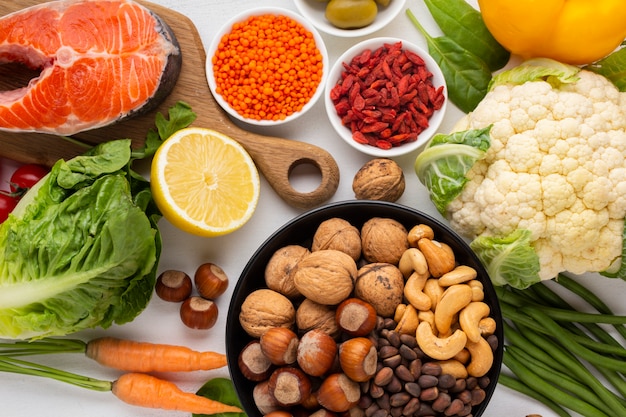
Longevity Diet: Everyday Tips and Tricks
As you journey through the beautiful middle age years, a sense of curiosity often accompanies the quest for a life full of vitality and health. Questions about diet invariably rise to the forefront: What should I eat to feel energized? How can diet impact my longevity? These questions hint at a deeper desire not just to add years to life, but life to years.
The desire for longevity is universal, yet deeply personal. For people who have accomplished so much and wish to continue enjoying life’s treasures, diet becomes a canvas for creating a vibrant, long-lasting existence. While the term “longevity diet” might sound like a fad, it’s rooted in timeless principles that can help nurture a body prepared to thrive well into the later years.
This article unlocks practical tips on incorporating longevity-enhancing foods into your daily routine. It’s all about setting small, consistent habits that collectively support a longer, healthier life. Let’s explore these tips and understand how they can be seamlessly woven into everyday living.
Embrace the Power of Plants
One of the most impactful moves towards a longevity-focused diet is the incorporation of plant-based foods. Research suggests that a diet rich in fruits, vegetables, legumes, nuts, and seeds is associated with enhanced health and longevity. These foods are packed with essential nutrients, fiber, and antioxidants that support bodily functions and protect against age-related decline.
Include a variety of colorful fruits and vegetables in meals to ensure a range of nutrients.
Consider plant-based protein sources like beans, lentils, and tofu to diversify your diet.
Experiment with plant-based meals a few times a week to add diversity and excitement to your diet.
Opt for Healthy Fats
Healthy fats, primarily from sources like olive oil, avocados, nuts, and fish, play a significant role in promoting longevity. These fats can support heart health, brain function, and potentially reduce inflammation, thus fostering a well-rounded approach to aging gracefully.
Use olive oil in cooking and salad dressings to reap its heart-healthy benefits.
Snack on a handful of nuts—a small but mighty source of unsaturated fats and protein.
Incorporate fatty fish like salmon or mackerel into meals to provide critical omega-3 fatty acids.
Moderate Your Protein Intake
While protein is essential, especially for maintaining muscle mass as we age, moderation is key. Excessive protein intake has been debated regarding its impact on longevity. Experts note that balancing your protein sources with vegetable-based options can contribute to a healthier, more sustainable diet.
Balance meat-based proteins with plant-based options to prevent over-reliance on any single source.
Consider a protein-rich breakfast that includes options like eggs, yogurt, or nuts to start the day right.
Explore new recipes that creatively combine different protein sources.
Emphasize Whole Grains
Whole grains are a staple in many diets associated with long, healthy lives. They provide fiber, vitamins, and minerals essential for overall health and can aid in digestion, cardiovascular wellness, and even mood stability.
Choose whole grain options such as brown rice, quinoa, or whole wheat bread over refined grains.
Incorporate diverse grain types like barley or farro for additional variety.
Enjoy oats for breakfast to start your day with a wholesome, nutritious meal.
Stay Hydrated, the Smart Way
Hydration plays a pivotal role in health, but it’s how you stay hydrated that matters for longevity. While water reigns supreme, sometimes the addition of herbal teas or infusions can provide antioxidants and other health benefits.
Drink ample water throughout the day, but also enjoy herbal teas for a warming, hydrating break.
Infuse water with slices of fruit or herbs to enhance flavors without additives.
Limit sugary drinks or sodas, especially those with artificial sweeteners, in favor of more natural options.
Simple Daily Takeaways
Adopt a plant-centered approach with diverse fruits and vegetables.
Incorporate good fats from natural sources like nuts and fish.
Balance your protein intake with a mix of plant and animal sources.
Choose whole grains to benefit from their complex nutrients.
Stay adequately hydrated with water and beneficial herbal beverages.

