
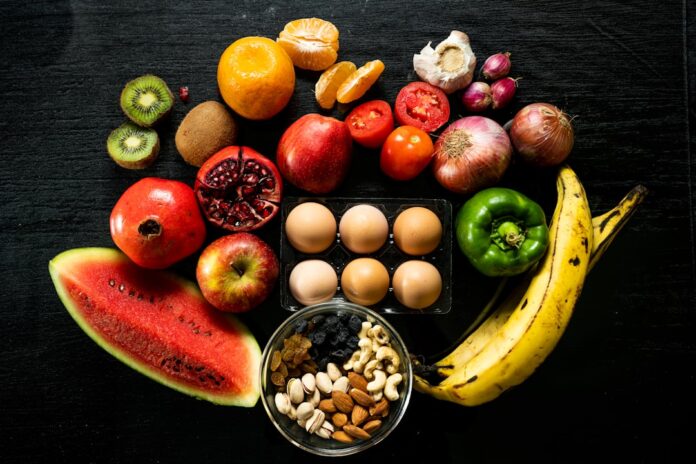
Quick Health Snapshot
- Incorporating specific foods can enhance longevity and overall well-being.
- A diet rich in superfoods supports body functions and prevents chronic diseases.
- Simple dietary changes can significantly impact your lifespan.
Understanding the Issue
In our fast-paced world, maintaining a balanced diet often takes a backseat to convenience eating. However, nutrition plays a critical role in determining our longevity and quality of life. Foods rich in essential nutrients, antioxidants, and anti-inflammatory properties can not only add years to our life but also improve the quality of those years. The concept of a ‘longevity diet’ focuses on incorporating such foods into our daily meals to support optimal health.
Scientifically, it is understood that chronic diseases such as heart disease, diabetes, and cancer are significantly influenced by diet. The longevity diet aims to reduce the risk of these diseases by promoting foods that boost immunity, support cellular repair, and enhance metabolic function. This approach is not about drastic dietary changes but rather about making informed choices that align with a natural and holistic lifestyle.
With increasing research on the impact of diet on health, experts advocate for a diet that emphasizes plant-based foods, healthy fats, and lean proteins. This not only supports longevity but also enhances mental well-being, energy levels, and physical fitness.
Understanding how specific foods contribute to a long and healthy life empowers individuals to take charge of their health in a proactive and informed manner. By savoring the synergy of these foods, we can unlock a future of vitality and health.
Key Benefits & Insights
- Increased intake of antioxidants reduces oxidative stress and aging.
- Incorporating plant-based proteins can decrease the risk of heart diseases.
- Healthy fats like those in avocados and nuts support brain health.
- Foods rich in fiber improve digestive health and reduce cancer risks.
- Omega-3 fatty acids found in fish reduce inflammation and support heart health.
- Probiotic-rich foods improve gut health and boost immunity.
- Including a variety of colorful fruits and vegetables ensures a wide range of nutrients.
- Whole grains provide essential vitamins and help maintain healthy blood sugar levels.
Practical Steps You Can Take
To effectively incorporate longevity-promoting foods into your diet, start by gradually increasing your intake of fruits and vegetables. Aim for a variety of colors on your plate to ensure you are getting a broad spectrum of nutrients. Leafy greens, berries, and cruciferous vegetables are particularly beneficial.
Replace refined grains with whole grains such as quinoa, brown rice, and oats. These are packed with fiber and essential nutrients that help maintain a healthy weight and reduce the risk of chronic diseases.
Incorporate sources of healthy fats into your meals. Opt for olive oil, nuts, seeds, and avocados, which provide essential fatty acids and support cardiovascular health.
Include lean proteins like fish, beans, and legumes in your diet. These provide the necessary building blocks for muscle repair and are associated with a lower risk of heart disease.
Consider adding fermented foods like yogurt, kefir, and sauerkraut to enhance gut health. A healthy gut flora can improve nutrient absorption and boost your immune system, contributing to overall well-being.
When to See a Professional
If you have specific health conditions or dietary restrictions, it’s important to consult with a healthcare professional before making significant changes to your diet. A nutritionist or dietitian can provide personalized guidance and ensure that your dietary choices align with your health needs and goals.
Additionally, if you experience any adverse reactions or persistent digestive issues after changing your diet, seek medical advice to address any underlying health concerns.

