*How a simple dietary shift in your 20s and 30s can lower your odds of stroke later*
KEY STATISTICS
- Adults with higher flavonoid intake from plant foods show measurably better cardiovascular protection
- Flavonoids are naturally occurring compounds found in colorful fruits, vegetables, and tea
- Stroke risk factors begin building in young adulthood—diet choices now matter for future health
You’re 28, feeling fine, and stroke feels like something that happens to older people. But the truth is, the habits you build today—especially what you eat—are quietly shaping your stroke risk for decades to come. A recent large study examining dietary data from thousands of American adults found that people who eat more flavonoid-rich foods have measurably better protection against stroke.
The good news: you don’t need a complete diet overhaul. Small, specific shifts toward certain foods can make a real difference.
How Flavonoids Protect Your Arteries
Flavonoids are plant compounds with antioxidant and anti-inflammatory properties that your blood vessels and heart actually depend on. When you eat foods rich in these compounds, they help keep your arteries flexible, reduce clotting risk, and lower inflammation—all key factors in stroke prevention.
- Flavonoids improve how your endothelial cells (the inner lining of blood vessels) function and respond to stress
- These compounds help reduce blood clotting tendency, lowering the risk of artery blockages that trigger stroke
- Chronic inflammation drives many strokes; flavonoids actively dampen this inflammatory response in your cardiovascular system
- Regular consumption supports healthy blood pressure regulation, another major stroke risk factor
Why Your Age Group Is Vulnerable
Your 20s and 30s feel like the invincibility window, but cardiovascular risk factors don’t wait until you’re 60 to take root. Young adults who skip vegetables and rely on processed foods are already tipping the scales toward higher stroke risk by midlife.
- Lifestyle habits formed now are predictive of cardiovascular health 20–30 years from now
- Many young adults have not yet had blood pressure or lipid screening, missing early warning signs
- Poor dietary patterns in your 20s and 30s accelerate arterial stiffness, a key stroke precursor
- Sedentary jobs and stress in this life stage often outweigh the natural resilience of youth
Warning Signs to Never Ignore
- Sudden numbness or weakness on one side of your face, arm, or leg—seek immediate medical attention
- Slurred speech or difficulty finding words, even if it passes within minutes (this is a TIA or mini-stroke)
- Sudden vision loss or blurred vision in one or both eyes without clear cause
- Severe, sudden headache with no obvious trigger or unlike any headache you’ve had before
- Loss of balance, dizziness, or stumbling that appears without reason or after a recent health change
- Chest pain, shortness of breath, or irregular heartbeat paired with any neurological symptom
What Diet Changes Actually Work
Adding flavonoid-rich foods to your plate isn’t about perfection—it’s about strategic swaps and additions. Focus on the foods that pack the most protective compounds, then build them into meals you already enjoy.
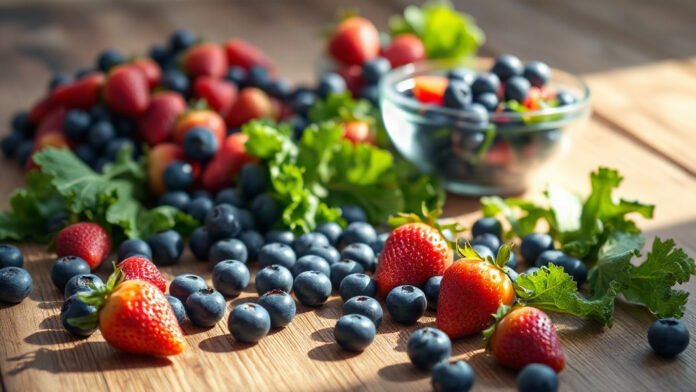
- Eat berries (blueberries, strawberries, blackberries) several times weekly—they’re among the most flavonoid-dense foods available
- Add leafy greens like spinach, kale, or arugula to at least one meal daily; raw or cooked both work
- Swap sugary drinks for tea (black, green, or white)—all contain significant flavonoid levels with zero added calories
- Include citrus fruits, dark chocolate (70% cacao or higher), and red apples as convenient high-flavonoid snacks
Your 30-Day Action Plan
- Week 1: Buy one new berry variety you’ve never tried and add a handful to breakfast three times
- Week 2: Commit to one leafy green salad or cooked greens at lunch or dinner, five days minimum
- Week 3: Replace one daily sugary beverage (soda, juice, or coffee drink) with herbal or regular tea
- Week 4: Add a flavonoid-rich snack (apple, berries, dark chocolate) to your afternoon routine four days weekly
- Ongoing: Track how you feel after two weeks—most people report steadier energy and better digestion with this shift
The Sleep and Stress Connection
Diet is powerful, but it doesn’t work in isolation. Poor sleep and chronic stress actively raise stroke risk by increasing inflammation and blood pressure, even if you’re eating all the right foods. Flavonoids help, but they’re only part of the picture.
- Sleep deprivation (fewer than 6–7 hours nightly) doubles your stroke risk; flavonoid-rich foods can’t fully compensate
- High cortisol from chronic stress stiffens arteries and raises clotting risk—diet helps manage this, not replace sleep
- Pairing better nutrition with regular movement (walking, cycling, gym time) amplifies stroke protection significantly
- Stress management practices (meditation, journaling, time outdoors) work synergistically with dietary flavonoids to lower inflammation
Bottom Line
Stroke is not inevitable, and you don’t have to wait until midlife to start protecting yourself. The research is clear: a diet richer in berries, leafy greens, tea, and other flavonoid sources meaningfully reduces your stroke risk. Start small—add berries to breakfast, swap one drink for tea, or toss greens into dinner.
These shifts take minimal time and cost, but they compound into real cardiovascular protection by the time you reach 40, 50, and beyond.
365 Live Long — always consult a qualified healthcare provider before making changes to your health routine.
Sources
- Association between dietary flavonoid intake and stroke in adults: The National Health and Nutrition Examination Survey 2007-2010 and 2017-2018 — Medicine (PubMed)
- General stroke risk factors and prevention guidance — CDC
- Dietary flavonoids and cardiovascular health — NIH