
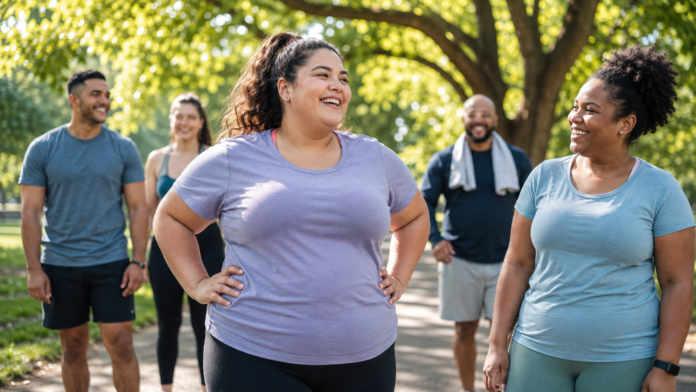
Navigating body image and activity
KEY STATISTICS
- Adolescents with obesity face unique challenges.
- Regular physical activity can boost self-esteem.
- Weight stigma can affect mental health outcomes.
Many young adults grapple with body image issues and the stigma that comes with being overweight. If you’re in this situation, know that you’re not alone. Understanding the link between physical activity and self-perception can empower you to make positive changes.
The Science of Stigma and Movement
Weight self-stigma and physical activity are intertwined in a complex relationship. As physical activity increases, self-stigma can decrease, but underlying attitudes also play a significant role.
- Obesity stigma can lead to avoidance of physical activities.
- Engaging in exercise may mitigate feelings of self-stigma.
- Positive self-image can emerge from regular physical activity.
Why This Age Group Is Unique
Adolescence is a critical period for shaping body image. During these years, social pressures and self-perception significantly impact behaviors and mental health.
- Peer influence can amplify self-stigma.
- Body image concerns peak during later adolescence.
- Early intervention can foster healthier self-esteem.
Warning Signs to Watch For
- Avoiding physical activities or sports.
- Increased self-criticism about body image.
- Withdrawal from social situations.
- Declining mental well-being.
- Expressing feelings of worthlessness.
What Actually Helps
Incorporating healthy habits can pave the way for improved body image and reduced stigma. Simple lifestyle changes can enhance both physical health and self-perception.
- Regular exercise can boost mood and confidence.
- Mindful eating promotes a healthier relationship with food.
- Strengthening social support networks fosters positive self-image.
Action Plan Checklist
- Engage in at least 150 minutes of physical activity weekly.
- Join a supportive fitness group or class.
- Practice self-compassion and positive affirmations.
- Seek professional help if feelings of self-stigma persist.
- Cultivate hobbies that encourage movement.
Stress and Sleep’s Impact
Understanding the role of stress management and sleep cannot be overlooked. Both factors play a significant part in mental health and overall well-being.
- Lack of sleep can exacerbate body image issues.
- Stress management techniques can improve self-esteem.
- Practice good sleep hygiene to enhance overall health.
Bottom Line
Understanding the connection between physical activity and weight self-stigma can help young adults navigate these challenges. By adopting healthier habits, you can foster a more positive self-image and improve your quality of life.
365 Live Long — always consult a qualified healthcare provider before making changes to your health routine.
Sources
- Bidirectional associations and developmental trajectories between physical activity and weight self-stigma among adolescents with high body weight/obesity — Applied psychology. Health and well-being

