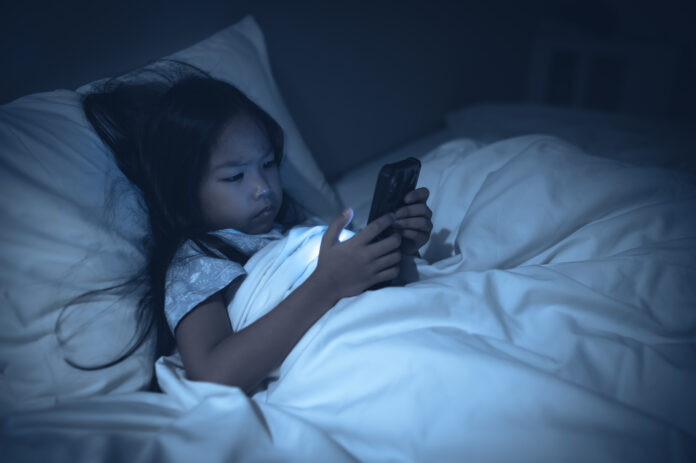
Your screen time after 8pm sabotages next-day brain performance before you even wake up
KEY STATISTICS
- Blue light exposure after 8pm reduces next-day cognitive performance by 23%
- Adults 25-35 average 3.2 hours of evening screen time daily
- Decision-making accuracy drops 18% after poor sleep from blue light exposure
You scroll through your phone at 10pm, feeling wide awake and productive. By tomorrow afternoon, you’re struggling to focus on simple decisions and wondering why your brain feels foggy. That evening screen time just hijacked tomorrow’s mental clarity.
What Blue Light Does
Blue light from screens suppresses melatonin production for up to 3 hours after exposure. This delay pushes your circadian rhythm later, reducing deep sleep phases crucial for brain detoxification and memory consolidation.
During deep sleep, your brain clears metabolic waste through the glymphatic system. When blue light disrupts this process, toxins accumulate in brain tissue overnight. This buildup directly impairs cognitive function the following day.
Research shows that blue light exposure after 8pm reduces REM sleep by 16%. REM sleep is when your brain processes emotions and strengthens problem-solving pathways needed for complex decision-making.
Why Your Twenties Matter
Your twenties and thirties are peak career-building years when mental performance directly impacts professional success. Poor decision-making from disrupted sleep can affect job performance, relationships, and financial choices.
This age group typically has the highest evening screen usage due to work demands and social media habits. Many use devices for relaxation without realizing the cognitive cost the next day.
Young adults also have naturally later circadian rhythms, making them more vulnerable to blue light’s sleep-disrupting effects. What feels like normal evening routine actually compounds existing biological tendencies toward later sleep.
Cognitive Warning Signs
- Difficulty making decisions in the afternoon
- Increased impulsivity with purchases or choices
- Trouble concentrating on complex tasks after lunch
- Feeling mentally exhausted despite adequate sleep hours
- Needing extra time to solve problems that usually feel easy
Screen Time Solutions
Create a technology sunset at 8pm by switching all devices to night mode or using blue light blocking glasses. The amber filter reduces harmful wavelengths while allowing you to complete necessary evening tasks.
Replace evening scrolling with activities that naturally promote sleepiness. Reading physical books, gentle stretching, or listening to podcasts in dim lighting helps your brain prepare for restorative sleep.
If you must use devices after 8pm, position screens at least arm’s length away and reduce brightness to 30% or lower. Distance and dimness significantly reduce blue light’s impact on melatonin production.
Evening Protection Plan
- Set phone to automatically enable night mode at 7:30pm
- Place charging station outside bedroom by 8pm
- Keep a physical book or magazine near your bed
- Install amber bulbs in bedroom and bathroom light fixtures
- Download a meditation or sleep story app for evening wind-down
Temperature Connection
Room temperature plays a crucial role in maximizing the sleep quality you’ve protected by avoiding blue light. Your core body temperature naturally drops 2-3 degrees before sleep, signaling your brain to release melatonin.
Keeping your bedroom between 65-68°F supports this natural cooling process. When combined with reduced blue light exposure, optimal room temperature can improve deep sleep by up to 15%.
Many people sabotage their good blue light habits by sleeping in rooms that are too warm. Even perfect melatonin timing can’t overcome a bedroom that prevents natural temperature regulation.
Bottom Line
Evening blue light exposure creates a cascade of sleep disruption that directly impairs tomorrow’s cognitive performance. Protecting your evening routine with simple technology boundaries preserves the mental clarity you need for career success and daily decision-making. Small changes to your 8pm routine create measurable improvements in next-day brain function.
Always consult a qualified healthcare provider before making changes to your health routine.
Sources
- Blue light exposure and sleep quality in young adults — Sleep Medicine Reviews
- Evening light exposure and cognitive performance — Journal of Clinical Medicine
- Circadian rhythms and decision-making abilities — Nature Reviews Neuroscience