
Introduction
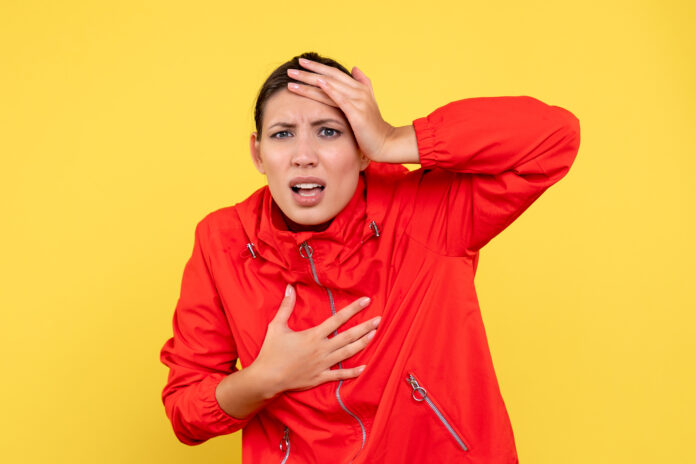
A sudden sensation of your heart racing or pounding can be alarming, especially when it happens without any obvious physical exertion. You may feel your heartbeat speeding up, fluttering, or even skipping beats, often accompanied by anxiety or discomfort. While occasional episodes can be harmless and short-lived, frequent or intense heart palpitations may signal underlying issues that require attention. The heart responds quickly to both physical and emotional changes in the body, making it sensitive to stress, hormones, and lifestyle factors. Understanding why your heart suddenly feels like it’s racing is essential for distinguishing between normal reactions and potential health concerns. This article explores how the heart regulates its rhythm, the causes behind sudden palpitations, and ways to manage and prevent these episodes effectively.
Understanding the Topic
A racing heart, commonly referred to as palpitations, is the awareness of your heartbeat. It may feel like your heart is beating too fast, too hard, or irregularly.
Palpitations can occur at rest or during activity and may last for a few seconds to several minutes. While often benign, they can sometimes indicate issues with heart rhythm or overall cardiovascular health.
How the Body/System Works
The heart’s rhythm is controlled by electrical signals that coordinate each heartbeat. These signals originate from a natural pacemaker called the sinoatrial node.
When functioning normally, this system maintains a steady rhythm. However, various factors such as stress hormones, electrolyte levels, and nervous system activity can influence these signals.
The autonomic nervous system also plays a role by regulating heart rate based on the body’s needs. Any imbalance in this system can lead to temporary increases in heart rate.
Main Causes / Factors
Several common factors can trigger a sudden racing heart:
- Stress or anxiety increasing adrenaline levels
- Excess caffeine or stimulant intake
- Dehydration affecting blood volume
- Lack of sleep
- Sudden physical exertion
These triggers can temporarily speed up the heart rate.
Medical Conditions Linked
In some cases, heart palpitations may be associated with conditions such as:
- Arrhythmias (irregular heart rhythms)
- Hyperthyroidism increasing metabolism
- Anemia reducing oxygen supply
- Panic attacks
- Heart disease
Medical evaluation is important if symptoms are frequent or severe.
Lifestyle and Behavioral Factors
Daily habits can significantly impact heart rhythm. High caffeine intake, smoking, and alcohol consumption can stimulate the heart and increase the likelihood of palpitations.
Chronic stress keeps the body in a heightened state, leading to repeated episodes. Poor hydration and irregular eating habits may also contribute.
Age or Risk Factors
Certain individuals may be more prone to experiencing a racing heart:
- Adults under high stress
- People with existing heart conditions
- Individuals taking stimulant medications
- Older adults with cardiovascular risk factors
These factors can influence how the heart responds to internal and external stimuli.
Other Contributing Factors
Additional factors that may trigger palpitations include:
- Hormonal changes, especially during pregnancy or menopause
- Electrolyte imbalances
- Fever or illness
- Intense emotions such as excitement or fear
These influences can temporarily disrupt normal heart rhythm.
Symptoms to Watch For
If your heart feels like it’s racing, you may also experience:
- Chest discomfort
- Shortness of breath
- Dizziness or lightheadedness
- Sweating
- Feeling faint
These symptoms can vary depending on the cause.
When to Seek Medical Help
You should seek immediate medical attention if:
- Palpitations are frequent or prolonged
- They are accompanied by chest pain
- You experience fainting or severe dizziness
- There is a history of heart disease
- Symptoms worsen over time
Prompt evaluation can help rule out serious conditions.
Prevention Tips
To reduce the risk of sudden palpitations:
- Limit caffeine and stimulant intake
- Stay hydrated
- Manage stress through relaxation techniques
- Maintain regular sleep patterns
- Eat balanced meals
- Avoid smoking and excessive alcohol
These habits support heart health and stability.
Treatment Overview
Treatment depends on the underlying cause. For mild cases, lifestyle adjustments may be sufficient to reduce symptoms.
If an underlying condition is identified, treatment may include medications, lifestyle changes, or medical procedures to regulate heart rhythm.
Monitoring symptoms and regular check-ups help ensure effective management.
Conclusion
A sudden racing heart can be unsettling, but it is often the body’s response to temporary triggers such as stress, caffeine, or dehydration. However, frequent or severe episodes should not be ignored, as they may indicate underlying health issues. By understanding the causes and recognizing warning signs, you can take proactive steps to protect your heart health. Simple lifestyle changes, such as reducing stimulants and managing stress, can significantly lower the risk of palpitations. If symptoms persist or become concerning, seeking medical advice ensures proper diagnosis and treatment, helping you maintain a healthy and stable heart rhythm.

