
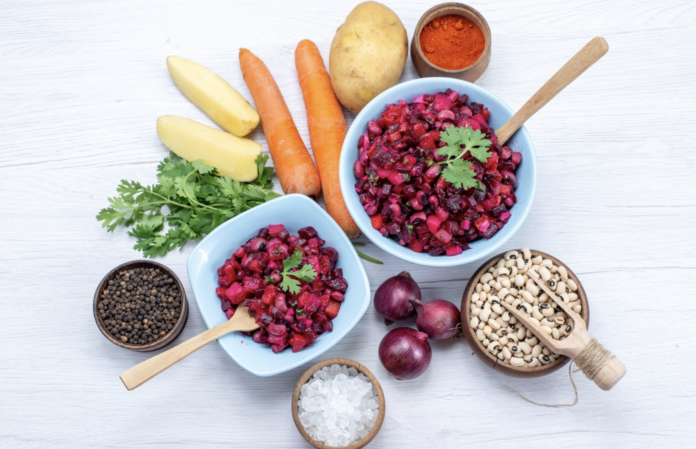
The colorful compounds that literally slow down cellular aging at the chromosome level.
KEY STATISTICS
- Telomeres shorten 20-40 base pairs per year after age 20, accelerating cellular aging
- Adults consuming anthocyanin-rich foods show 23% slower telomere shortening rates
- Purple vegetables contain 3-5x more protective compounds than their lighter-colored counterparts
Your cells have a built-in aging clock, and it’s running faster than it should be. Every time your cells divide, tiny protective caps called telomeres get shorter—like the plastic tips on shoelaces wearing down. But here’s what most people don’t know: the deep purple pigments in certain foods can actually slow this process down.
The Cellular Aging Clock
Telomeres are DNA-protein structures that protect the ends of chromosomes during cell division. When they become critically short, cells stop dividing properly and enter a state called senescence—essentially cellular retirement.
Anthocyanins are the compounds that give purple foods their rich color, from blueberries to red cabbage. These molecules cross the blood-brain barrier and accumulate in tissues where they reduce oxidative stress and inflammation—two major drivers of telomere shortening.
Research shows anthocyanins activate an enzyme called telomerase, which can actually add length back to shortened telomeres. This is like having a cellular repair crew that can restore those protective chromosome caps.
Why Prevention Starts Now
Your twenties and thirties are when telomere damage accelerates due to lifestyle factors. Work stress, poor sleep, and processed diets create chronic inflammation that attacks these cellular structures daily.
Unlike older adults who may already have significantly shortened telomeres, people in their 25-35 age range still have time to prevent major damage. The cellular repair mechanisms are still highly active, making dietary interventions more effective.
This decade also coincides with peak reproductive years and career building, when oxidative stress is highest. Purple foods provide targeted protection during this vulnerable window when prevention matters most.
Early Aging Warning Signs
- Frequent fatigue despite adequate sleep
- Hair graying or thinning earlier than expected
- Slower recovery from workouts or minor injuries
- Increased susceptibility to colds and infections
- Difficulty concentrating or brain fog episodes
Which Purple Foods Work
The most potent anthocyanin sources are deeply pigmented: wild blueberries, blackberries, purple cabbage, eggplant skin, and red onions. Fresh and frozen options provide similar benefits, but avoid sugary jams or processed versions.
Timing matters for maximum absorption. Consuming purple foods with a small amount of fat enhances anthocyanin uptake—think blueberries with Greek yogurt or purple cabbage sautéed in olive oil.
Heat can destroy some anthocyanins, so aim for at least half of your purple food intake raw. Purple vegetables like red cabbage and red onions are particularly resilient and provide benefits whether cooked or fresh.
Daily Purple Food Protocol
- Add 1/2 cup of fresh or frozen berries to breakfast daily
- Include one serving of purple vegetables (cabbage, eggplant, red onions) in lunch or dinner
- Choose darker varieties when available: purple carrots over orange, red onions over white
- Eat purple foods with healthy fats to boost absorption
- Aim for 2-3 different purple foods per day rather than loading up on just one type
The Sleep Connection
Sleep quality dramatically affects how well your body utilizes these protective compounds. Poor sleep increases cortisol and inflammatory markers that accelerate telomere shortening, even when your diet is perfect.
Anthocyanins work best when cellular repair processes are active, which happens primarily during deep sleep phases. Adults getting less than 7 hours nightly show reduced benefits from antioxidant foods.
Establish a consistent sleep schedule and avoid screens for an hour before bed to maximize the cellular repair benefits of your purple food intake.
Bottom Line
Purple foods aren’t just trendy superfoods—they contain specific compounds that can measurably slow cellular aging by protecting telomeres. Adding 2-3 servings of deeply pigmented fruits and vegetables daily provides targeted protection during the critical years when prevention matters most. Combined with quality sleep, this simple dietary shift can help maintain the cellular structures that determine how well you age.
Always consult a qualified healthcare provider before making changes to your health routine.
Sources
- Telomere length and anthocyanin intake in healthy adults — Journal of Nutritional Biochemistry
- Dietary flavonoids and telomere length in US adults — American Journal of Clinical Nutrition
- Anthocyanins and cellular aging biomarkers — Harvard Health Publishing

