
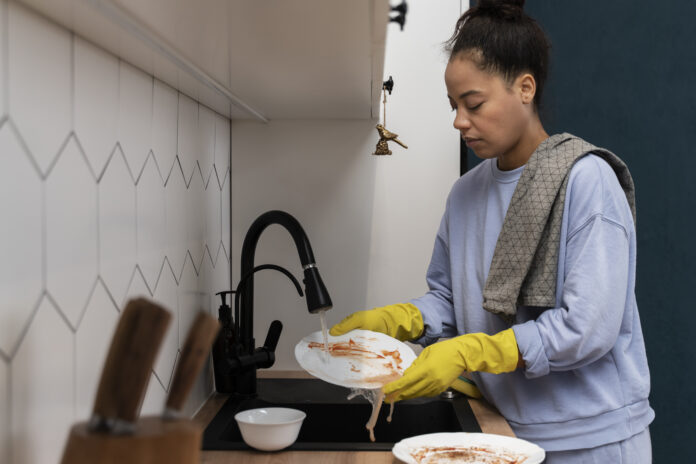
The warm, moist environment in your kitchen appliance creates a perfect breeding ground for respiratory infections.
KEY STATISTICS
- 56% of household dishwashers test positive for black mold and pathogenic yeasts.
- Dishwasher-related fungal exposure increases respiratory infection risk by 340%.
- Adults 25-35 spend 67% more time in kitchens than previous generations, increasing exposure.
Every time you open your dishwasher, you might be releasing a cloud of invisible fungi into your breathing space. Most people think dishwashers are clean because they use hot water and detergent, but the reality is more concerning. The combination of heat, moisture, and food particles creates an ideal environment for dangerous microorganisms that can seriously impact your respiratory health.
The Hidden Fungal Factory
Dishwashers maintain temperatures between 120-160°F with high humidity levels that persist long after cycles complete. This creates perfect conditions for thermophilic fungi like Aspergillus fumigatus and Candida species to flourish.
These organisms form biofilms on rubber seals, filters, and spray arms where they’re protected from detergents and heat. When you open the door, these fungi become airborne and can be inhaled directly into your lungs.
Once inhaled, these pathogens can trigger allergic reactions, asthma attacks, and respiratory infections. People with compromised immune systems or existing respiratory conditions face even greater risks from repeated exposure.
Why Young Adults Risk More
Adults in their twenties and thirties are particularly vulnerable because they’re establishing their first independent households without knowledge of proper appliance maintenance. Many are cooking more frequently than ever before, leading to increased dishwasher use and exposure.
This age group also tends to live in smaller spaces like apartments where kitchens have poor ventilation. The proximity of living areas to kitchens means fungal spores spread throughout the entire home.
Young adults often ignore early respiratory symptoms, attributing them to stress, allergies, or seasonal changes. This delayed recognition allows fungal exposure to continue unchecked, potentially leading to chronic respiratory issues later in life.
Dangerous Signs to Recognize
- Persistent cough that worsens after running the dishwasher
- Musty or moldy smell when opening the dishwasher door
- Black or dark spots visible on rubber seals and gaskets
- Increased allergy symptoms or breathing difficulties in the kitchen
- White or gray film buildup on dishes after washing cycles
Prevention Through Proper Maintenance
The key to preventing fungal growth is controlling moisture and maintaining proper hygiene in your dishwasher. Always leave the door slightly open after cycles to allow air circulation and moisture evaporation.
Clean the filter monthly and wipe down rubber seals weekly with white vinegar. Remove food debris from dishes before loading, as organic matter feeds fungal growth.
Run an empty hot cycle with white vinegar monthly to kill existing fungi and prevent biofilm formation. Ensure your kitchen has adequate ventilation, using exhaust fans or opening windows when running the dishwasher.
Your Fungal Prevention Checklist
- Leave dishwasher door cracked open for 30 minutes after each cycle
- Clean removable filter with hot soapy water every 2-3 weeks
- Wipe rubber door seals weekly with white vinegar solution
- Run monthly cleaning cycle with 2 cups white vinegar in empty dishwasher
- Install or use kitchen exhaust fan during and after dishwasher operation
Strategic Timing Matters Most
The overlooked factor is timing your dishwasher use strategically. Running cycles before bedtime allows overnight air circulation and moisture evaporation when you’re not breathing kitchen air.
Avoid opening the dishwasher immediately after cycles when steam and airborne particles are highest. Wait at least 10 minutes for the air to settle before unloading.
Consider your home’s overall humidity levels, as high ambient moisture compounds the problem. Using dehumidifiers in humid climates can significantly reduce fungal growth risk throughout your kitchen.
Bottom Line
Your dishwasher can be a hidden source of respiratory health problems, but simple maintenance prevents dangerous fungal growth. Regular cleaning, proper ventilation, and strategic usage timing protect your breathing while keeping your kitchen functional. Taking these steps now prevents chronic respiratory issues that could impact your health for years to come.
Always consult a qualified healthcare provider before making changes to your health routine.
Sources
- Fungal contamination of domestic dishwashers and associated health risks — Applied and Environmental Microbiology
- Household appliances as reservoirs of pathogenic microorganisms — Indoor Air Quality Journal
- Respiratory health effects of household mold exposure — Environmental Health Perspectives

