
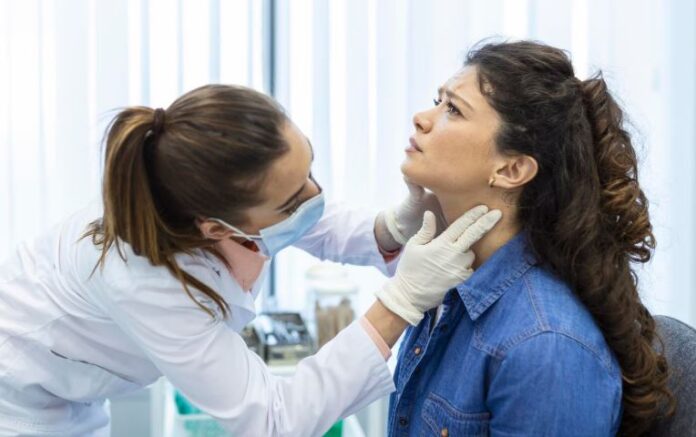
Those tender lumps under your jaw or armpits are not just random swelling — they are your immune system sending an urgent message.
KEY STATISTICS
- Up to 75% of healthy adults will experience swollen lymph nodes at some point, yet most never investigate the underlying cause — CDC, National Center for Health Statistics
- Chronic low-grade infections are estimated to affect 1 in 3 adults under 35, often going undiagnosed for months or years — National Institutes of Health
- Research published in the British Medical Journal found that persistent lymph node swelling lasting more than 3 weeks warrants clinical evaluation in otherwise healthy young adults
You press the side of your neck and feel something small, tender, and slightly swollen — and then you forget about it by morning. That moment of noticing and ignoring is something millions of young adults repeat on a loop. But those nodes are part of your body’s most active surveillance network, and when they stay swollen, something is still fighting.
How Lymph Nodes Work
Your lymphatic system is a vast network of nodes, vessels, and fluid that runs parallel to your circulatory system. Its primary job is to filter waste, carry immune cells, and trap pathogens before they spread.
When a lymph node swells, it means immune cells inside are multiplying rapidly to fight something. That something can range from a minor throat infection to a persistent viral load your body has not fully cleared.
The nodes most commonly felt by young adults sit in the neck, armpits, and groin. They act as regional checkpoints — cervical nodes monitor your head and throat, axillary nodes watch your arms and chest, and inguinal nodes track the lower body.
Most swelling is reactive, meaning it is a healthy immune response. But when nodes stay enlarged beyond two to three weeks, or keep recurring in the same spot, the body may be under persistent immune stress that your lifestyle is quietly fuelling.
Why Your 30s Are Vulnerable
Adults between 25 and 35 are in a phase of life that looks healthy on the outside but often carries a high invisible immune load. Late nights, inconsistent sleep, high stress, processed diets, and back-to-back viral exposures during social and work life all put sustained pressure on lymphatic function.
This age group is also prone to under-reporting symptoms. A tender node gets dismissed as stress or a coming cold, never prompting a blood test or further investigation.
Undiagnosed infections like Epstein-Barr reactivation, subclinical dental abscesses, and low-grade tonsil infections are surprisingly common in this group. Each one can keep cervical lymph nodes in a low-level activated state for months.
The risk is not just physical discomfort. Chronically activated immune nodes increase systemic inflammation, which research links to fatigue, brain fog, poor sleep quality, and heightened stress sensitivity.
Warning Signs to Watch For
- Swollen or tender nodes in the neck, armpits, or groin that persist for more than two to three weeks without a clear cause
- Nodes that feel hard, fixed, or are growing rather than shrinking after two weeks — these always warrant medical evaluation
- Recurring swelling in the same location, even if it comes and goes — this pattern suggests an unresolved source of immune activation
- Unexplained fatigue alongside node swelling, particularly in the neck — this combination can indicate viral reactivation such as Epstein-Barr
- Night sweats, unintentional weight loss, or fever accompanying swollen nodes — these symptoms together require prompt medical attention
What Actually Helps
The most overlooked driver of persistent lymph node swelling is chronic immune stress, not a single infection. When the body is repeatedly exposed to inflammatory triggers — poor sleep, alcohol, highly processed food, and sustained psychological stress — the lymphatic system never fully resets between battles.
Sleep is the primary window during which your lymphatic system clears cellular debris and resets immune activity. Research from the NIH shows that the glymphatic system, which mirrors lymphatic function in the brain, is almost entirely active during deep sleep. Cutting sleep short chronically reduces this clearing process.
Nutrition also plays a direct role. Zinc, vitamin D, and vitamin C are all required for healthy lymphocyte production and immune resolution. A diet low in these nutrients extends the duration of immune activation and keeps nodes in a semi-swollen state longer than necessary.
Reducing ultra-processed food intake, limiting alcohol to no more than one to two drinks per occasion, and adding anti-inflammatory foods like leafy greens, oily fish, and berries gives your immune system the raw materials it needs to resolve inflammation faster.
Action Plan Checklist
- Do a gentle monthly self-check of your neck, armpits, and groin — note any nodes that feel tender, enlarged, or that persist beyond two weeks
- Prioritise seven to nine hours of sleep consistently — deep sleep is when your lymphatic and glymphatic systems perform the bulk of their clearing work
- Ask your doctor for a full blood count, CRP, and EBV antibody panel if you have had recurring swollen nodes — these basic tests can reveal hidden infections or inflammation
- Add zinc-rich foods such as pumpkin seeds, lean meat, and legumes to your daily diet — zinc directly supports lymphocyte production and immune resolution
- Cut back on alcohol during periods of active swelling — alcohol suppresses lymphocyte function and slows the immune response your body is trying to complete
The Dental Connection Nobody Mentions
One factor almost never discussed in connection with lymph nodes is dental health. Subclinical tooth infections, impacted wisdom teeth, and chronic gum inflammation create a direct gateway for bacteria to activate the cervical lymph nodes in your neck.
Studies published in the Journal of Clinical Periodontology have linked periodontal disease to elevated systemic inflammatory markers, including C-reactive protein. Your dentist and your doctor rarely speak to each other, which means a smouldering dental issue can keep your immune system activated for years without anyone connecting the two.
If you have had recurring neck node swelling with no clear respiratory cause, a dental panoramic X-ray is worth requesting. It is a simple step that is almost never suggested but can reveal the source that other investigations miss.
Bottom Line
Swollen lymph nodes are not a minor inconvenience to push through — they are your immune system telling you it is still in the middle of a fight. For adults in their 20s and 30s, addressing the root causes early, whether that is an unresolved infection, a nutrient gap, or lifestyle-driven immune stress, prevents the chronic inflammation that quietly builds toward bigger health problems later.
Always consult a qualified healthcare provider before making changes to your health routine.
Sources
- Lymphadenopathy in Adults: A Diagnostic Approach — American Family Physician
- Immune Function and Sleep — Bidirectional Relationship — National Institutes of Health, National Library of Medicine
- Periodontal Disease and Systemic Inflammation — Journal of Clinical Periodontology
- Epstein-Barr Virus Reactivation and Chronic Fatigue — Mayo Clinic Proceedings
- Persistent Lymphadenopathy — When to Investigate — BMJ Best Practice

