
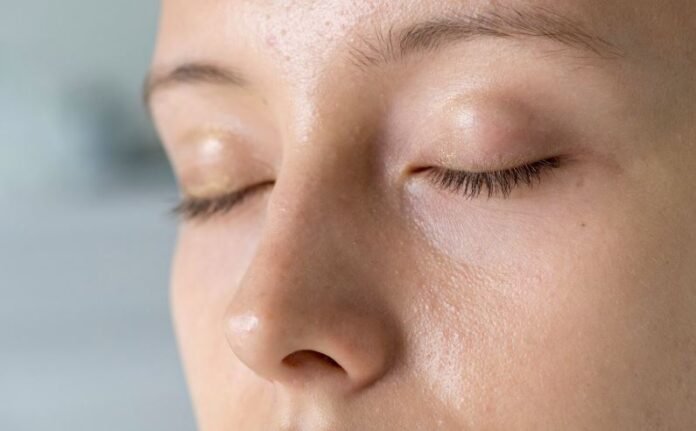
That persistent shine on your face isn’t just a skincare problem — it’s your hormones sending a message you shouldn’t ignore.
KEY STATISTICS
- Up to 80% of people aged 11–30 experience acne, much of it driven by hormonal changes that trigger excess sebum production — American Academy of Dermatology
- Androgens like testosterone can increase sebaceous gland activity by as much as 60%, making hormonal imbalance one of the leading causes of oily skin — National Library of Medicine
- Studies suggest that elevated cortisol levels — the stress hormone — directly stimulate oil glands, linking chronic stress to persistent skin oiliness — Journal of Investigative Dermatology
You have tried every mattifying primer, every oil-control cleanser, and every blotting sheet on the market — but by midday your skin is shining again. That frustrating cycle might have very little to do with your skincare routine. It could be your body signalling a hormonal imbalance that is worth paying attention to now.
What Drives Excess Sebum
Your skin produces oil through tiny glands called sebaceous glands, which sit beneath the surface and release a waxy substance called sebum. Sebum is necessary — it protects the skin barrier, locks in moisture, and helps defend against bacteria. The problem begins when these glands overproduce, flooding the skin with more oil than it needs.
The primary driver of excess sebum production is androgens — a group of hormones that includes testosterone and DHEA. When androgen levels rise, sebaceous glands respond by working overtime. This is not just a teenage problem — androgens can fluctuate well into your late thirties, especially during periods of stress, poor sleep, or metabolic disruption.
Insulin also plays a less-discussed role in sebum production. High insulin levels — triggered by blood sugar spikes — can stimulate androgen activity, creating a direct pathway between your diet and your skin’s oil output. This is why high-glycaemic diets are consistently linked to oilier skin and more frequent breakouts.
Why This Age Matters
Between 25 and 35, hormonal shifts are common but often go unnoticed until they show up on the skin. Women in this age group may experience fluctuations in oestrogen and progesterone tied to the menstrual cycle, contraceptive changes, or early signs of conditions like polycystic ovary syndrome (PCOS). Men are not exempt — testosterone levels can fluctuate due to stress, poor sleep, or lifestyle factors.
This decade is also when chronic stress tends to peak. Career pressure, financial stress, and disrupted routines all elevate cortisol, which in turn stimulates oil production. The result is skin that stays oily regardless of how carefully you cleanse.
Many adults in this age range attribute their oily skin entirely to genetics or product choices and never investigate the internal cause. That is a missed opportunity — because if a hormonal imbalance is driving the problem, no topical product will fully resolve it.
Warning Signs To Watch
- Skin becomes noticeably oilier in the week before your period — suggesting hormonal fluctuation tied to the menstrual cycle
- Persistent acne along the jawline, chin, or lower cheeks — a classic pattern associated with androgen-driven sebum excess
- Oily skin that does not improve despite a consistent and appropriate skincare routine
- Irregular periods, unexplained weight gain around the abdomen, or unusual hair growth alongside oily skin — potential indicators of PCOS or another hormonal condition
- Increased facial oiliness during high-stress periods or after nights of poor sleep — pointing toward cortisol and androgen activity
What Actually Helps
Addressing oily skin from the inside out begins with stabilising blood sugar. Diets high in refined carbohydrates and sugar cause insulin spikes that trigger androgen activity and ramp up sebum production. Swapping high-glycaemic foods for fibre-rich vegetables, whole grains, legumes, and lean protein can measurably reduce skin oiliness over time.
Zinc is one of the most evidence-backed nutrients for sebum regulation. It helps inhibit the conversion of testosterone into its more potent form, DHT, which is a key driver of sebaceous gland overactivity. Foods rich in zinc include pumpkin seeds, chickpeas, eggs, and red meat — or a supplement after confirming a deficiency with a blood test.
Omega-3 fatty acids, found in oily fish, flaxseeds, and walnuts, have anti-inflammatory properties that can help modulate hormonal pathways involved in oil production. They do not suppress sebum directly but help calm the inflammatory response that makes excess oil more damaging to the skin. Consistent intake over weeks — not days — is where the benefit builds.
Action Plan Checklist
- Reduce refined sugar and high-glycaemic foods such as white bread, sugary drinks, and processed snacks to lower insulin-androgen activity
- Increase dietary zinc through pumpkin seeds, eggs, or legumes — or speak to your GP about testing zinc levels before supplementing
- Add oily fish or a quality omega-3 supplement to your weekly routine to help regulate skin-related inflammatory pathways
- Track when your skin is oiliest — whether linked to your cycle, stress periods, or sleep quality — to identify the likely hormonal trigger
- Request a hormonal blood panel from your GP if oily skin is persistent and accompanied by other symptoms such as irregular periods, fatigue, or unexplained weight changes
The Sleep Connection
Sleep is the most underestimated factor in hormonal skin health. During deep sleep, the body regulates cortisol and repairs the hormonal balance disrupted by daily stress. Consistently getting fewer than seven hours elevates cortisol the following day — and that cortisol spike feeds directly into increased sebum production.
Research from the Sleep Foundation confirms that even two to three nights of poor sleep can measurably alter skin hydration, oil levels, and barrier function. This is not a cosmetic inconvenience — it is your body’s repair system being cut short.
If you are treating oily skin with products while running on poor sleep, you are working against yourself. Prioritising seven to nine hours of consistent, quality sleep is not optional skincare advice — it is a hormonal intervention.
Bottom Line
Oily skin that does not respond to topical products is often a sign that something hormonal is happening beneath the surface. For adults aged 25 to 35, excess sebum production linked to androgen fluctuations, insulin spikes, or elevated cortisol is worth investigating — not just managing. Addressing sleep, diet, and stress alongside a conversation with your GP gives you a far stronger chance of lasting results.
Always consult a qualified healthcare provider before making changes to your health routine.
Sources
- Sebaceous gland activity and androgens in acne pathogenesis — National Library of Medicine
- Cortisol and skin barrier function under psychological stress — Journal of Investigative Dermatology
- Diet and acne: a review of the evidence — Journal of the American Academy of Dermatology
- Zinc therapy in dermatology: a review — Dermatology Research and Practice
- Sleep deprivation and skin function — Sleep Foundation

