
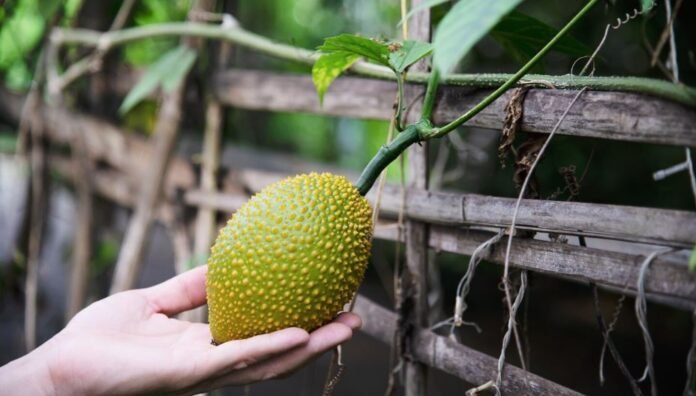
This giant tropical fruit is quietly becoming the plant-based protein source your muscles actually need.
KEY STATISTICS
- Jackfruit contains up to 3 grams of protein per 100 grams in its young, unripe form — and significantly more when dried or concentrated.
- Research published in the journal Foods found that jackfruit seeds contain all nine essential amino acids, qualifying it as a nutritionally complete protein source.
- The global plant-based protein market is projected to exceed $40 billion by 2027, driven largely by adults under 35 actively reducing meat consumption, according to the Good Food Institute.
Most people picture pulled pork when they hear jackfruit — not a protein-packed muscle fuel. But beneath that meaty texture and tropical exterior is a nutritional profile that has serious sports dietitians paying attention. If you are cutting back on meat and worrying about your gains, jackfruit deserves a much closer look.
What Jackfruit Actually Contains
Jackfruit is the world’s largest tree-borne fruit, native to South and Southeast Asia, and it comes in two very different nutritional forms depending on ripeness.
Young, unripe jackfruit is low in sugar and high in fibre, with a dense, fibrous texture that mimics pulled meat — making it popular as a savoury protein substitute. Ripe jackfruit is sweeter and works better as a fruit, but the unripe form is where the muscle-support story really begins.
The jackfruit seed is the true nutritional powerhouse. Studies have confirmed it contains all nine essential amino acids — leucine, isoleucine, and valine among them — which are the very amino acids your body cannot produce on its own and must get from food.
Leucine in particular is the key trigger for muscle protein synthesis, the process your body uses to repair and build muscle tissue after exercise. Getting adequate leucine from plant sources has historically been a challenge, which is why jackfruit’s amino acid completeness matters.
Why Your Thirties Matter
Adults aged 25 to 35 are in the critical window for building and maintaining lean muscle mass. After the mid-thirties, the body naturally begins losing muscle at a rate of roughly 3 to 5 percent per decade — a process called sarcopenia.
If you are reducing or eliminating meat during this window without replacing the protein quality, you may be accelerating that loss without realising it. Many plant-based adults rely heavily on legumes and grains, which can be incomplete proteins unless carefully combined.
Jackfruit offers something different — a single-source option with a complete amino acid profile that also delivers fibre, potassium, and B vitamins. For active adults managing busy schedules, that nutritional density in one ingredient matters.
Warning Signs To Watch For
- You feel fatigued after workouts and recover more slowly than you used to — a sign your protein intake may be insufficient.
- You have reduced meat but have not actively replaced protein quality, relying mainly on pasta, rice, or salads.
- You are experiencing muscle soreness that lingers longer than 48 hours after moderate exercise.
- Your energy dips consistently in the afternoon, which can indicate inadequate protein and amino acid availability throughout the day.
- You are losing strength or noticing less muscle definition despite regular training — a red flag for inadequate protein synthesis.
What Actually Helps
Incorporating jackfruit into your routine does not require exotic cooking skills. Young canned jackfruit — the unsweetened variety — is widely available and can be sautéed, seasoned, and added to rice bowls, tacos, wraps, or grain salads within 15 minutes.
For maximum muscle support, pair jackfruit with complementary protein sources such as edamame, chickpeas, or a small serving of quinoa. This stacking approach ensures you are hitting both your leucine threshold and total daily protein targets.
Jackfruit seeds, often discarded, can be boiled or roasted and eaten as a snack with a surprisingly nutty flavour. A 100-gram serving of seeds provides roughly 7 grams of protein, 38 grams of complex carbohydrates, and meaningful amounts of thiamine and riboflavin — nutrients that support energy metabolism.
The key is consistency. Jackfruit is not a one-meal fix but a reliable weekly staple that, combined with other smart plant proteins, keeps your amino acid pool full and your muscles supported.
Action Plan Checklist
- Buy young, unsweetened canned jackfruit and use it as the protein base in at least two meals per week — season with cumin, smoked paprika, and garlic for a meat-like depth of flavour.
- Add jackfruit seeds to your snack rotation — boil them for 20 minutes, season lightly, and eat them in place of crisps or crackers.
- Combine jackfruit with a leucine-rich food such as edamame or tofu in the same meal to ensure your muscle protein synthesis threshold is met.
- Track your total daily protein intake for one week using a free app — aim for 1.6 to 2.2 grams of protein per kilogram of body weight if you are active.
- Experiment with jackfruit flour or jackfruit-seed flour, now available in health food stores, which can boost the protein content of pancakes, smoothies, or baked goods.
The Absorption Factor Nobody Mentions
One factor almost nobody discusses when switching to plant-based protein is digestive enzyme readiness. Animal proteins are broken down rapidly, but plant proteins like jackfruit contain fibre and antinutrients such as tannins and trypsin inhibitors — particularly in the seeds — which can reduce protein absorption if not addressed.
Soaking jackfruit seeds for several hours before cooking and then boiling them thoroughly significantly reduces these compounds and improves the bioavailability of the protein inside. This single step can make a measurable difference in how much amino acid your body actually absorbs per meal.
Gut health also plays a role here. Adults with low stomach acid or compromised digestive function may absorb plant protein less efficiently. Supporting your gut with adequate hydration, fibre diversity, and — if needed — digestive enzymes can help you extract the full nutritional value that jackfruit offers.
Bottom Line
Jackfruit is not a gimmick or a meat impersonator — it is a legitimate, complete protein source with a real amino acid profile and serious culinary flexibility. For adults aged 25 to 35 reducing their meat intake, it fills a nutritional gap that most plant proteins cannot fill alone. Add it consistently, combine it smartly, and your muscles will not notice the difference.
Always consult a qualified healthcare provider before making changes to your health routine.
Sources
- Nutritional composition and functional properties of jackfruit seeds — Foods — MDPI Open Access Journal
- Dietary protein and muscle mass: translating science to application and health benefit — Nutrients — National Library of Medicine
- Sarcopenia: an undiagnosed condition in older adults — Journal of the American Medical Directors Association
- Plant-based diets and protein quality considerations for active adults — Harvard T.H. Chan School of Public Health — The Nutrition Source
- Antinutritional factors in plant foods and strategies to reduce them — Comprehensive Reviews in Food Science and Food Safety

