
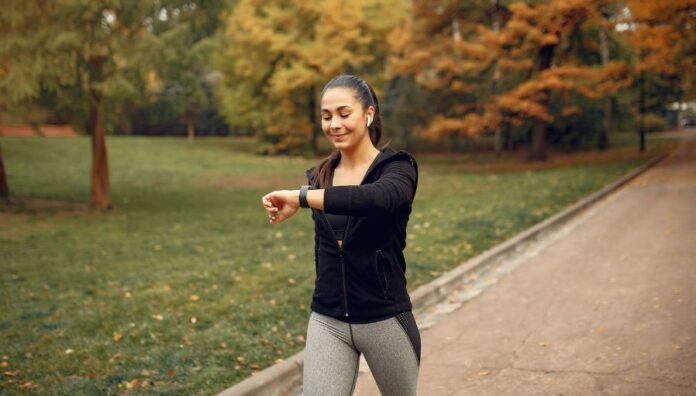
A 15-minute walk after dinner may be the simplest health habit you are not doing yet.
KEY STATISTICS
- A 2022 study in Sports Medicine found that a short walk after meals reduced blood sugar spikes by up to 30% compared to sitting.
- Research published in Sleep Medicine Reviews links light evening movement to faster sleep onset and longer deep sleep cycles.
- The American Diabetes Association reports that post-meal walking is one of the most effective non-pharmaceutical tools for managing glucose levels.
You finish dinner, sit on the sofa, and scroll for an hour. It feels like rest — but your body is quietly struggling. A 15-minute walk changes that entirely, and the science behind it is surprisingly compelling.
What Happens After Dinner
When you eat a meal, your blood sugar rises as carbohydrates are broken down and glucose enters the bloodstream. Your muscles are one of the most efficient places to send that glucose — but only if they are being used.
Walking after a meal activates large muscle groups in your legs, which act like glucose sponges. This process does not require a hard workout or elevated heart rate — even a gentle pace is enough to meaningfully lower the post-meal blood sugar spike.
At the same time, light movement after eating helps regulate cortisol, the stress hormone that tends to creep upward in sedentary evenings. Lower cortisol before bed means your body transitions into sleep mode faster and more completely.
Why Your Twenties Matter
Adults aged 25 to 35 tend to assume blood sugar problems are decades away. But insulin resistance — the root cause of type 2 diabetes — develops slowly and silently, often beginning in your late twenties.
Long work hours, desk-based jobs, high-stress schedules, and convenience food mean this age group is logging some of the most metabolically damaging evening routines of any demographic.
You may feel fine right now. But your pancreas is working harder than it should be every time you sit still after a high-carbohydrate meal, night after night.
Warning Signs to Watch
- You feel sluggish or foggy within an hour of eating dinner
- You struggle to fall asleep even when you feel tired
- You wake up feeling unrested despite a full night in bed
- You notice energy dips mid-morning that feel out of proportion to your sleep
- You crave sugar or caffeine the morning after a sedentary evening
What Actually Helps
A post-dinner walk does not need to be a structured fitness session. Fifteen minutes at a conversational pace — around the block, through a park, or even around your building — is enough to trigger meaningful metabolic benefits.
The timing matters more than most people realise. Blood sugar peaks roughly 30 to 60 minutes after a meal, so walking within that window gives your muscles the best opportunity to absorb glucose before it is stored or processed by insulin alone.
Consistency is far more important than intensity here. A gentle walk every evening produces compounding benefits over weeks — better insulin sensitivity, lower fasting glucose, and improved sleep architecture. You do not need to sweat to make this work.
If walking outside is not possible, marching gently in place or doing light household tasks produces a similar metabolic response. The goal is simply to avoid prolonged stillness in the hour after eating.
Action Plan Checklist
- Finish dinner and set a 30-minute timer — begin your walk before it goes off
- Aim for 10 to 20 minutes at a relaxed, comfortable pace — no performance required
- Leave your phone on silent or use the walk as a genuine screen break
- If the weather is poor, march in place or do gentle movement indoors
- Track your consistency for two weeks using a simple habit app or paper calendar
The Morning Cortisol Link
One angle almost nobody talks about is what the evening walk does to your next-morning cortisol. Cortisol follows a predictable daily curve — it should be lowest at night and peak sharply in the first 30 minutes after waking, giving you natural energy to start the day.
When you sit still after dinner and scroll or watch stimulating content, cortisol stays elevated longer than it should. This delays the body’s shift into deep sleep and blunts the morning cortisol peak — leaving you groggy and flat before you even have breakfast.
A short evening walk helps close out the day’s physiological stress response. It signals to your nervous system that the day’s demands are over, easing the transition from sympathetic to parasympathetic mode — which is the biological state your body needs for genuine recovery overnight.
Bottom Line
A 15-minute walk after dinner is not just a nice habit — it is one of the most evidence-backed things you can do for blood sugar, sleep, and morning energy. It costs nothing, requires no equipment, and produces benefits that compound quietly over months. Start tonight.
Always consult a qualified healthcare provider before making changes to your health routine.
Sources
- Three 10-minute bouts of moderate aerobic exercise versus 30-minute bouts to reduce postprandial blood glucose in healthy adults — Sports Medicine
- Post-meal physical activity and glycaemic control in adults with type 2 diabetes — American Diabetes Association — Diabetes Care
- Light activity breaks and sleep quality in working adults — Sleep Medicine Reviews
- Physical activity after meals and insulin sensitivity in young adults — NIH National Library of Medicine
- Evening exercise, cortisol, and sleep onset latency — Journal of Clinical Endocrinology and Metabolism

