
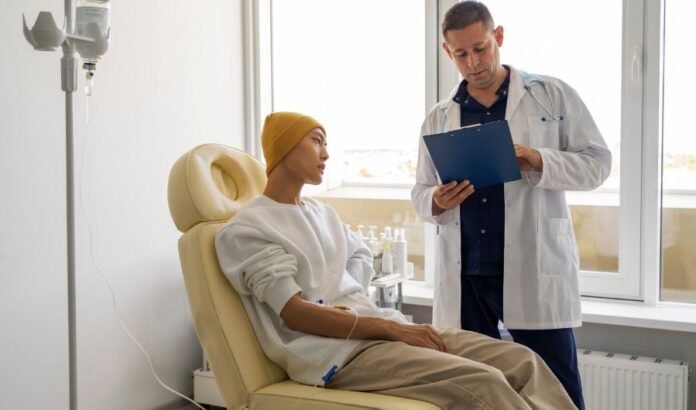
A personalized mRNA vaccine just showed real promise against kidney cancer — and if kidney disease runs in your family, this is the update you need to read.
KEY STATISTICS
- Renal cell carcinoma accounts for approximately 90% of all kidney cancer diagnoses, according to the National Cancer Institute.
- People with a first-degree relative diagnosed with kidney cancer have roughly double the average lifetime risk of developing the disease themselves.
- In a Phase 2 trial published in Nature, Moderna’s personalized mRNA kidney cancer vaccine reduced the risk of recurrence or death by 44% when combined with immunotherapy.
A personalized cancer vaccine that trains your immune system to hunt down kidney cancer cells is no longer science fiction — it just cleared a major clinical trial milestone. For the first time, mRNA technology developed for COVID-19 has been redirected to fight one of the most treatment-resistant cancers in adults. If kidney cancer has touched your family, what happened in that trial matters to you right now.
How The Vaccine Works
mRNA vaccines work by delivering genetic instructions that teach your immune system to recognise a specific target and mount a defence against it. In the context of cancer, those targets are called neoantigens — unique protein markers that appear on the surface of tumour cells but not on healthy tissue.
Each person’s tumour has its own neoantigen fingerprint. Moderna’s personalised cancer vaccine, known as mRNA-4157 or V940, is custom-built for each patient using a biopsy of their own tumour.
Once injected, the vaccine prompts the immune system to produce T-cells specifically programmed to seek and destroy cells carrying those cancer markers. When combined with pembrolizumab, a checkpoint inhibitor that prevents cancer cells from hiding from the immune system, the results from the Phase 2 KEYNOTE-942 trial were striking.
The combination therapy reduced the risk of recurrence or death by 44% compared to pembrolizumab alone in patients with high-risk renal cell carcinoma after surgery. This is not a cure, but it is a meaningful and measurable step forward in a cancer category that has historically been difficult to treat.
Why Your Risk Starts Now
Most kidney cancer diagnoses happen between the ages of 55 and 74, so you might wonder why this is relevant in your twenties or thirties. The answer is risk architecture — the biological and lifestyle conditions that increase your odds are often established decades before a diagnosis.
If a parent, sibling, or grandparent has been diagnosed with renal cell carcinoma, your personal risk is elevated from this point forward. That family history does not guarantee anything, but it changes how seriously you should take early prevention signals.
Beyond genetics, the modifiable risk factors for kidney cancer include high blood pressure, obesity, smoking, and chronic low-level dehydration — all of which are common in adults aged 25 to 35 who are navigating demanding careers and disrupted sleep schedules.
This is also the decade when metabolic patterns get established. Blood pressure that creeps upward in your early thirties, left unchecked, contributes meaningfully to kidney stress over the following two decades.
Warning Signs To Watch
- Blood in the urine (haematuria) — even if it appears only once or disappears quickly, this requires prompt medical investigation
- Persistent lower back or flank pain on one side that is not explained by muscle strain or posture
- Unexplained fatigue that does not improve with rest, sleep, or dietary changes over several weeks
- Unintended weight loss combined with a loss of appetite, particularly if it coincides with other symptoms on this list
- A known family history of renal cell carcinoma combined with any new or unusual urinary or abdominal symptom — even mild ones worth raising with a doctor
What Actually Protects You
The most powerful thing you can do in your twenties and thirties to reduce kidney cancer risk is to protect the health of the kidneys themselves. That means managing blood pressure aggressively — hypertension is one of the clearest modifiable risk factors for renal cell carcinoma.
Hydration matters more than most people realise. Chronically low fluid intake concentrates toxins in the kidneys and increases the cellular stress that contributes to abnormal cell growth over time. Aiming for consistent daily hydration — not just drinking when thirsty — is a simple and underused protective habit.
Smoking is directly linked to kidney cancer risk, and the relationship is dose-dependent: the more you smoke, the higher your risk. If you smoke and have a family history of the disease, quitting is the single most impactful change you can make.
Obesity increases circulating insulin and inflammatory markers that create an environment where cancer cells are more likely to survive and proliferate. Maintaining a healthy body weight through sustainable eating and regular physical activity is not just about how you look — it is an investment in your kidney health decades from now.
Action Plan Checklist
- Know your family history: ask a parent or sibling whether any first-degree relative has been diagnosed with kidney, bladder, or urinary tract cancer
- Have your blood pressure checked at least once per year — if it is consistently above 130/80 mmHg, speak to a doctor about early intervention
- Drink at least 2 litres of water daily as a baseline, more in heat or during intense exercise, to support kidney filtration and reduce toxin concentration
- If you smoke, pursue a structured cessation programme — your GP can refer you to evidence-based support that significantly improves quit rates
- Book a standard health check that includes kidney function markers (eGFR and creatinine) if you have a family history, are overweight, or have hypertension — early detection changes outcomes
The Painkiller Problem
One factor that rarely gets discussed in the context of kidney health is painkiller overuse. Non-steroidal anti-inflammatory drugs such as ibuprofen, when taken regularly over months or years, place measurable strain on the kidneys and are associated with a gradual decline in kidney function.
For adults in their twenties and thirties dealing with chronic back pain, gym soreness, or stress headaches, daily NSAID use can become a quiet habit. It feels harmless because the effects are not immediate — but the cumulative burden on kidney tissue is real.
If you rely on anti-inflammatories more than a few times a week, speak to a doctor about alternatives. This is especially relevant if you already have elevated blood pressure or a family history of kidney disease, where the kidneys may already be under increased strain.
Bottom Line
The mRNA kidney cancer vaccine trial is genuinely exciting — it represents a shift in how we think about cancer treatment and immune-based prevention. For adults with a family history of the disease, the most meaningful response to this news is not to wait for a vaccine but to understand your risk, protect your kidney health now, and stay informed as the science moves forward. The earlier you build the right habits, the more options you will have.
Always consult a qualified healthcare provider before making changes to your health routine.
Sources
- Personalised neoantigen vaccine mRNA-4157 plus pembrolizumab in high-risk renal cell carcinoma: KEYNOTE-942 Phase 2 trial results — Nature
- Kidney Cancer: Patient Version — Risk Factors and Prevention — National Cancer Institute
- Family history and risk of renal cell carcinoma: a systematic review and meta-analysis — International Journal of Cancer
- Analgesic use and the risk of renal cell carcinoma: a systematic review and meta-analysis — Journal of the American Medical Association
- High blood pressure and kidney disease — National Institute of Diabetes and Digestive and Kidney Diseases, NIH

