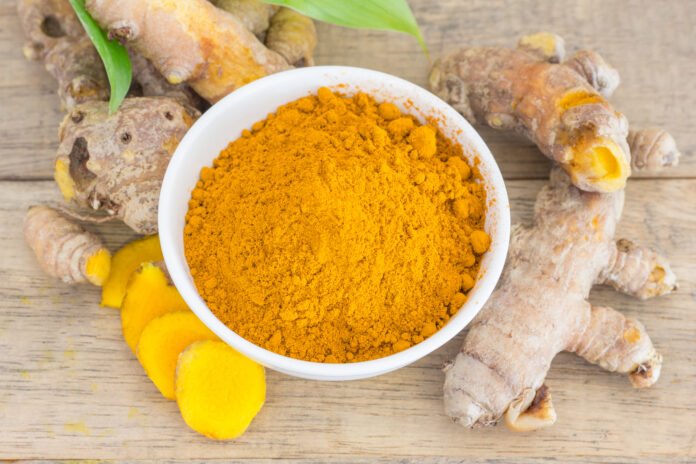
You’re probably taking turmeric every day — and absorbing almost none of it.
KEY STATISTICS
- Curcumin, the active compound in turmeric, has bioavailability as low as 1% when consumed alone, according to research published in the journal Nutrients.
- Adding piperine — the active compound in black pepper — can increase curcumin absorption by up to 2,000%, according to a widely cited study in Planta Medica.
- The global turmeric supplement market was valued at over $3.5 billion in 2023, yet most standard products still lack bioavailability-enhancing ingredients, according to market research reports.
Millions of people add turmeric to their smoothies, lattes, and capsules every single morning believing they are fighting inflammation and protecting their health. What most of them do not know is that without one specific ingredient, their body absorbs almost nothing. The fix is cheap, sits in most kitchens already, and takes about three seconds to use.
Why Curcumin Barely Absorbs
Turmeric gets its reputation from curcumin, a polyphenol compound with genuinely impressive research behind it — studies link it to reduced inflammatory markers, improved joint comfort, and potential protective effects on the brain and heart.
The problem is that curcumin is naturally poorly absorbed by the gut. It passes through your digestive system largely intact, which means most of it ends up in the toilet rather than in your bloodstream.
This is where black pepper changes everything. Black pepper contains a compound called piperine, which works by inhibiting certain metabolic enzymes in your intestines and liver that would otherwise break curcumin down too quickly.
With piperine present, curcumin survives long enough to be absorbed into the bloodstream at a meaningfully higher rate. The landmark study in Planta Medica found that just 20mg of piperine — less than a pinch of black pepper — alongside curcumin increased absorption by 2,000% in both animals and humans.
Why Your Age Group Loses
Adults in their late twenties and thirties often start adding anti-inflammatory foods to their diet as a proactive health move — and turmeric is almost always on that list. The intention is excellent, but without understanding absorption, the habit delivers little real benefit.
This age group is also navigating chronic low-grade inflammation driven by stress, disrupted sleep, processed food, and long hours at a desk. Curcumin genuinely has the potential to help with this — but only if it actually enters the body.
Wasting a daily supplement because of one missing ingredient is frustrating when you are trying to build real health habits. Understanding bioavailability now means your efforts actually count.
Warning Signs to Watch For
- You take turmeric daily but notice no change in joint stiffness, energy, or recovery after weeks of consistent use
- Your turmeric supplement label does not list piperine, BioPerine, or black pepper extract anywhere in the ingredients
- You add turmeric powder to food or drinks without any fat or black pepper in the same meal — curcumin also requires dietary fat for absorption
- You are spending money on high-dose curcumin capsules but skipping the formulation details on the back of the bottle
- You experience persistent low-level inflammation symptoms — achy joints, slow recovery, or bloating — despite trying multiple supplements without improvement
What Actually Helps
The practical fix is almost embarrassingly simple: pair turmeric with black pepper every time you use it. A small pinch of freshly ground black pepper in a turmeric latte, curry, or supplement is enough to make a real difference.
Fat also matters here. Curcumin is fat-soluble, meaning it absorbs better when consumed alongside healthy fats like olive oil, coconut milk, avocado, or full-fat dairy. A golden milk made with coconut milk and black pepper checks both boxes at once.
If you prefer supplements over cooking, look for products that specifically contain BioPerine — a standardised, patented form of piperine — or list black pepper extract on the label. High-dose curcumin without an absorption enhancer is largely money wasted.
Some newer supplement formulations use alternative bioavailability solutions like phospholipid complexes or nanoparticle delivery. These can also work well, but they tend to be more expensive and less widely available than simply choosing a piperine-containing product.
Action Plan Checklist
- Check your current turmeric supplement or powder and confirm the label lists piperine, BioPerine, or black pepper extract — if it does not, replace it
- Add a small pinch of freshly ground black pepper every time you use turmeric in cooking, drinks, or homemade blends
- Always consume turmeric alongside a source of healthy fat — olive oil, coconut milk, avocado, or nuts — to further support curcumin absorption
- If choosing a supplement, look for standardised curcumin products with 95% curcuminoids plus BioPerine, and follow the dosage on the label rather than guessing
- Give the combination at least four to six weeks of consistent daily use before evaluating whether you notice any difference in inflammation-related symptoms
The Overlooked Heat Factor
Heat is another factor most people overlook. Boiling or overheating turmeric for extended periods can degrade curcumin content, reducing the potency of what you are working with before absorption even becomes the issue.
Adding turmeric toward the end of cooking — rather than frying it at very high heat for a long time — helps preserve more of the active compound. A light sauté in olive oil with black pepper is a far more effective delivery method than adding it to a sauce that simmers for an hour.
Consistency also matters more than quantity here. A moderate daily intake of turmeric with black pepper and fat will outperform an occasional high-dose turmeric shot taken without either. Building it into a simple daily habit — morning eggs, an evening stir-fry, or a pre-made supplement — makes the difference sustainable.
Bottom Line
Turmeric has real anti-inflammatory potential, but it only delivers on that promise when your body can actually absorb it. Black pepper solves the absorption problem almost instantly, and pairing turmeric with a healthy fat makes the combination even more effective. If you have been taking turmeric without these two additions, starting today means your habit finally starts working.
Always consult a qualified healthcare provider before making changes to your health routine.
Sources
- Curcumin: A Review of Its Effects on Human Health — Foods, MDPI
- Influence of Piperine on the Pharmacokinetics of Curcumin — Planta Medica
- Bioavailability of Curcumin: Problems and Promises — Molecular Pharmaceutics, NIH National Library of Medicine
- Therapeutic Roles of Curcumin: Lessons Learned from Clinical Trials — AAPS Journal, NIH National Library of Medicine
- Curcumin and Health — Harvard Health Publishing