
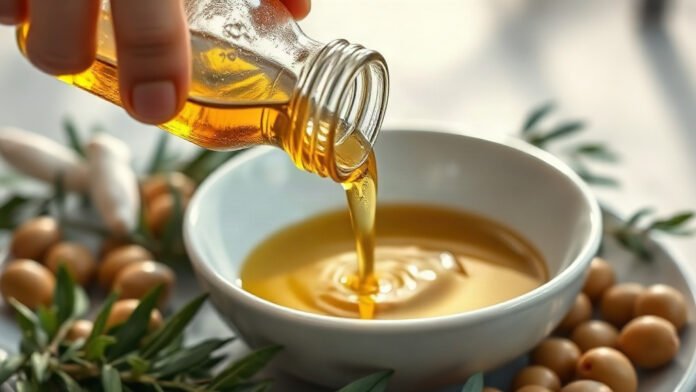
Most bottles on supermarket shelves are not what the label claims — here is how to spot the real thing.
KEY STATISTICS
- Up to 70% of imported olive oils sold in the United States have been found to fail international purity standards, according to research from the University of California, Davis.
- The global olive oil fraud market is estimated to be worth billions of dollars annually, making it one of the most commonly adulterated foods in the world, per the European Commission.
- Genuine extra virgin olive oil contains over 30 phenolic compounds linked to reduced cardiovascular inflammation — benefits that disappear entirely when the oil is diluted with cheaper alternatives, according to the NIH.
You have been buying olive oil thinking you are doing something good for your health. But the bottle in your kitchen cupboard may contain more sunflower, soybean, or canola oil than actual olives. This is not a conspiracy theory — it is one of the most well-documented cases of food fraud in modern history.
Why Fake Oil Harms You
Olive oil fraud works by blending low-cost refined seed oils into a base of low-grade olive oil, then bottling and marketing the mixture as extra virgin. Because seed oils are largely colorless and odorless, the final product can look convincingly like the real thing.
Genuine extra virgin olive oil is cold-pressed directly from fresh olives with no heat or chemical processing. This preserves its polyphenols — powerful antioxidant compounds that protect arteries, reduce systemic inflammation, and support brain health.
When cheaper oils are blended in, those polyphenols drop dramatically. You may be getting the calories of olive oil without any of the therapeutic benefit. Worse, refined seed oils high in omega-6 fatty acids can actively promote the inflammation you were trying to avoid.
Why Your Age Group Is Vulnerable
Adults in their twenties and thirties are building the dietary foundations that will shape their cardiovascular and metabolic health for decades. If olive oil is a regular part of your cooking, the quality of that oil genuinely matters.
This age group also tends to shop by price and label aesthetics rather than certification standards. That makes younger adults particularly vulnerable to products that look premium but perform like processed cooking fats.
The chronic inflammation that builds from years of poor-quality fat intake does not show up immediately. By the time symptoms appear, the damage is often years in the making.
Warning Signs To Watch For
- Your olive oil has no harvest date or best-before year on the label — real producers track freshness carefully
- The price is under $8 for a 500ml bottle — genuine extra virgin olive oil cannot be produced that cheaply
- The oil has no smell when opened — authentic olive oil has a grassy, peppery, or slightly bitter aroma
- The bottle is clear glass or plastic — real olive oil is always sold in dark glass or tin to protect polyphenols from light
- The label says ‘pure olive oil’ or ‘light olive oil’ — these are refined products, not cold-pressed extra virgin
What Actually Helps
The most reliable fix is knowing exactly what label markers indicate authenticity. Look for a PDO or PGI certification seal — these are European Union designations that legally protect origin and production method. Products bearing these marks have passed independent verification.
Also check for a specific harvest year rather than just a best-before date. Olives are harvested once a year, so fresh oil should be dated within 12 to 18 months of purchase. A vague expiry date with no harvest year is a red flag.
Buying directly from a single-origin producer or a specialist importer significantly reduces fraud risk. The bottle should list one country of origin, not ‘a blend of EU and non-EU oils’ — that phrase is a legal cover for mixing lower-quality sources.
Once opened, store your oil away from heat and light, and use it within 60 days. Olive oil degrades quickly after opening, and the polyphenols that make it beneficial break down with oxidation.
Action Plan Checklist
- Look for PDO, PGI, or COOC certification seals on the label before buying
- Check for a specific harvest date — oil older than 18 months has likely lost most of its polyphenols
- Choose dark glass or tin packaging, never clear bottles or plastic containers
- Smell the oil before cooking — if it has no scent, it has likely been refined or diluted
- Buy single-origin products from one named country, not blended multi-country oils
The Heat Factor Nobody Mentions
Heat is a factor most people overlook even after buying a quality oil. Extra virgin olive oil has a smoke point of around 190 to 210 degrees Celsius — lower than many refined oils. Using it at very high temperatures degrades its polyphenols and creates oxidative byproducts.
For high-heat cooking like searing or deep frying, a quality refined coconut oil or even a light avocado oil is a more stable choice. Save your genuine extra virgin olive oil for dressings, low-heat sautéing, and drizzling over finished dishes where its beneficial compounds remain intact.
This is not a reason to avoid olive oil — it is a reason to use it strategically. The Mediterranean diet that most of the research supports does not deep-fry in olive oil either.
Bottom Line
The olive oil in your kitchen may be one of the most misleading products you regularly buy. Knowing what certification marks, harvest dates, and packaging standards actually mean costs you nothing but a few minutes of attention. The health benefits you are paying for only exist if the oil is genuinely what the label says it is.
Always consult a qualified healthcare provider before making changes to your health routine.
Sources
- Evaluation of Extra Virgin Olive Oil Sold in California — University of California, Davis Olive Center
- Polyphenols in Olive Oil and Their Role in Cardiovascular Protection — NIH National Library of Medicine
- Food Fraud and the Integrity of the Food Chain — European Commission — Food Safety Reports
- Olive Oil Quality and Authenticity Standards — International Olive Council
- Dietary Fat Quality and Systemic Inflammation in Adults — Harvard T.H. Chan School of Public Health

