
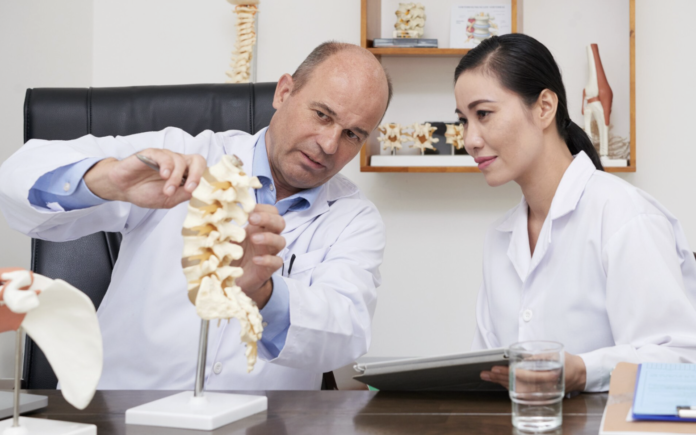
The window to build strong bones for life is closing faster than you think — and most people miss it entirely.
KEY STATISTICS
- Up to 90% of peak bone mass is established by age 18, and the process is largely complete by your late 20s, according to the NIH.
- One in two women and one in four men over age 50 will break a bone due to osteoporosis — a disease that begins silently in young adulthood, according to the National Osteoporosis Foundation.
- Vitamin D deficiency affects approximately 42% of American adults, and low levels directly impair the calcium absorption your bones depend on, according to the Cleveland Clinic.
Most people think osteoporosis is something their grandmother worries about — not something that starts taking shape in their late twenties. But the truth is, the bone you build before 30 is largely the bone you will live with for the rest of your life. What you do right now, in this decade, determines how strong your skeleton will be when things start to decline.
How Bone Density Works
Bone is living tissue. Your body is constantly breaking down old bone cells and replacing them with new ones in a process called bone remodeling.
During childhood and adolescence, your body builds more bone than it breaks down. This process accelerates through your twenties and peaks somewhere between ages 25 and 30.
After that peak, the balance begins to shift. Your body still rebuilds bone, but it no longer replaces it as quickly as it removes it. This slow decline is completely normal — but how high your peak was determines how much cushion you have.
Think of peak bone mass like a retirement savings account. The more you deposit early, the more protected you are when withdrawals begin. If you never built up a strong balance, even small losses become serious faster.
Why Your Twenties Matter
Adults aged 25 to 35 are in a deceptive stage. You feel fine. Nothing hurts.
There are no visible symptoms of bone loss at this age.
But this is exactly the window where habits either lock in long-term bone strength or quietly allow bone density to start falling short of its potential.
Sedentary work, low calcium intake, vitamin D deficiency, and chronic stress are all common in this age group — and all of them work against bone health simultaneously.
Many people in their late twenties and early thirties are also undereating protein, drinking more alcohol than their body can recover from, and spending most of their day sitting. Each of these factors quietly erodes the foundation your skeleton is still trying to consolidate.
Warning Signs to Watch For
- Frequent stress fractures or slow-healing injuries after minor impact — bone may not be as dense as it should be for your age
- Persistent back pain or a noticeable forward curve in your upper spine — early posture changes can signal weakening vertebrae
- You drink fewer than two servings of dairy or fortified alternatives daily and rarely eat leafy greens or fish
- You have low sun exposure and have never had your vitamin D levels tested — deficiency is easy to miss and common
- You are very lean, have a history of disordered eating, or have missed menstrual cycles — these are significant risk factors for low bone density in young women
What Actually Helps
The three pillars of bone health in your twenties and thirties are calcium, vitamin D, and mechanical load — and all three need to work together.
Calcium is the structural mineral your bones are made from. Adults aged 19 to 50 need around 1,000 mg per day. That means roughly three servings of dairy or fortified alternatives, or a combination of leafy greens, almonds, sardines, and tofu spread across the day.
Vitamin D is not optional — it is the gatekeeper that allows your gut to absorb calcium properly. Without adequate vitamin D, you can eat all the calcium in the world and still end up deficient. Most adults need between 1,500 and 2,000 IU daily, and sunlight alone is rarely enough in modern indoor lifestyles.
Resistance training is the third and often most underestimated tool. When your muscles pull on your bones during weight-bearing exercise, your body responds by building denser bone tissue. Squats, deadlifts, walking, running, and even jumping have all been shown in research to stimulate bone formation in ways that swimming and cycling do not.
Aim for at least two to three strength training sessions per week. You do not need to lift heavy to see benefits — consistency and progressive challenge matter more than the weight on the bar.
Action Plan Checklist
- Get your vitamin D level tested at your next check-up and supplement if you are below 30 ng/mL — most adults do well with 1,000 to 2,000 IU daily
- Aim for 1,000 mg of calcium from food sources each day — prioritise yogurt, fortified milk alternatives, sardines with bones, kale, and almonds
- Do weight-bearing or resistance exercise at least 3 times per week — squats, lunges, deadlifts, and even brisk walking all count
- Reduce alcohol to no more than 7 standard drinks per week — alcohol directly interferes with the bone-building cells called osteoblasts
- If you smoke, quit — smoking reduces bone density and is one of the most modifiable risk factors for early osteoporosis
The Protein and Stress Factor
One factor that rarely gets mentioned in conversations about bone health is protein intake. Many young adults in their twenties undereat protein, especially those following plant-heavy diets without careful planning.
Protein makes up roughly one-third of bone tissue and is critical for the collagen matrix that gives bones their flexibility and resistance to fracture. Without enough protein, even optimal calcium and vitamin D levels may not be enough to maintain strong bone architecture.
Aim for at least 1. 2 to 1. 6 grams of protein per kilogram of body weight daily.
For a 70 kg adult, that means roughly 85 to 112 grams per day — an amount that requires intentional food choices rather than eating at random.
Chronic stress is also worth noting here. Elevated cortisol over time suppresses bone-forming osteoblast activity and accelerates bone breakdown. Managing stress is not just a mental health issue — it has a measurable impact on the physical strength of your skeleton.
Bottom Line
Your bones are quietly reaching their lifetime peak right now, and what you do in this decade matters more than any supplement you might take at 50. Focus on getting enough calcium from real food, keeping your vitamin D levels in a healthy range, and making resistance training a non-negotiable part of your weekly routine. Small, consistent actions now are the difference between strong bones at 65 and fragile ones.
Always consult a qualified healthcare provider before making changes to your health routine.
Sources
- Bone Health and Osteoporosis: A Report of the Surgeon General — U.S. Department of Health and Human Services / NIH
- Calcium and Vitamin D: Important at Every Age — NIH Office of Dietary Supplements
- Vitamin D Deficiency: An Underestimated Worldwide Problem — Cleveland Clinic Journal of Medicine
- Resistance Exercise and Bone Health in Adults — Journal of Bone and Mineral Research
- Protein Intake and Bone Health Across the Lifespan — Harvard T.H. Chan School of Public Health — The Nutrition Source

