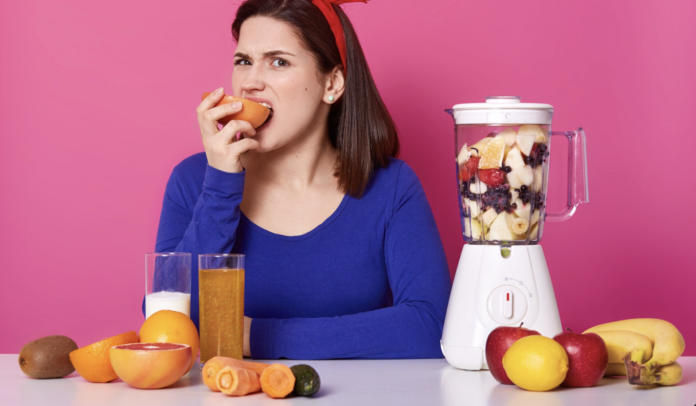
The foods you pair with Vitamin C determine whether your body absorbs it or wastes it entirely.
KEY STATISTICS
- Pairing Vitamin C with non-heme iron sources can increase iron absorption by up to 67%, according to research published in the American Journal of Clinical Nutrition.
- Calcium intake of 300–600mg consumed alongside Vitamin C has been shown to significantly inhibit its absorption, according to findings reviewed by the National Institutes of Health.
- Approximately 35% of adults in Western countries consume Vitamin C in ways that reduce its bioavailability, according to nutritional intake data reviewed by the World Health Organization.
You probably already eat oranges, bell peppers, or broccoli thinking you are covering your Vitamin C needs. But if you are pairing those foods the wrong way, your body may be absorbing far less than you think. The problem is not what you are eating — it is what you are eating it with.
How Vitamin C Actually Works
Vitamin C, also known as ascorbic acid, is a water-soluble nutrient that your body cannot produce or store in large amounts. It must come from food every single day, and how efficiently it enters your bloodstream depends heavily on what surrounds it in your meal.
When you eat plant-based iron — called non-heme iron, found in lentils, spinach, tofu, and beans — your gut struggles to absorb it efficiently on its own. Vitamin C steps in as a chemical converter, transforming ferric iron into the ferrous form your intestinal cells can actually absorb. This pairing is one of the most well-documented nutrient synergies in nutrition science.
On the other side, calcium actively competes with Vitamin C at the intestinal absorption level. High-calcium foods like dairy, fortified milks, and calcium supplements consumed in the same meal can block a meaningful portion of your Vitamin C from entering the bloodstream. Your body treats them as competing priorities, and Vitamin C often loses.
Why Your 30s Matter
Adults aged 25 to 35 are at a particularly tricky crossroads when it comes to Vitamin C absorption. Many in this age group follow plant-based, flexitarian, or high-dairy diets — all of which can accidentally suppress the very nutrients they are trying to consume.
Iron deficiency is the most common nutritional deficiency in the world, and it disproportionately affects women in this age group due to monthly blood loss. If you are relying on plant-based iron without strategically pairing it with Vitamin C, you may be eating enough iron on paper but absorbing far too little in practice.
At the same time, this is the decade when long-term habits form. The way you build your meals now will shape your nutrient status for years to come, affecting your energy levels, immune resilience, skin health, and cognitive sharpness well into your 40s.
Warning Signs to Watch For
- Persistent fatigue or low energy despite eating what feels like a balanced diet — this may signal poor iron uptake due to low Vitamin C pairing
- Frequent colds or slow recovery from illness — Vitamin C is essential for immune function and low absorption can leave defences weakened
- Pale skin, brittle nails, or light-headedness — these are classic signs of iron deficiency, which poor Vitamin C pairing can worsen over time
- Slow wound healing or skin that bruises easily — Vitamin C is critical for collagen synthesis and inadequate absorption disrupts tissue repair
- Brain fog or difficulty concentrating, particularly in the afternoon — both iron and Vitamin C deficiency affect oxygen transport and neurotransmitter production
What Actually Helps
The fix is genuinely simple once you understand the pairing rules. Add a Vitamin C source directly to any meal that contains plant-based iron, and do not wait to have it separately as a snack or supplement later in the day.
Practical combinations that work well include squeezing lemon juice over lentil soup, adding sliced bell peppers to a bean salad, or eating strawberries alongside a spinach dish. These pairings are not just culinary habits — they are biochemically sound strategies that your gut can immediately benefit from.
For Vitamin C supplements, timing also matters. Taking a Vitamin C supplement alongside a calcium supplement, a glass of milk, or a fortified yogurt may significantly reduce how much of each nutrient you absorb. Space them at least two hours apart whenever possible to give each nutrient uncontested access to your intestinal transport systems.
Action Plan Checklist
- Pair every plant-based iron meal with a Vitamin C food — lemon juice on lentils, bell peppers in bean dishes, or tomatoes with tofu
- Separate Vitamin C supplements or high-Vitamin C foods from calcium-heavy meals or calcium supplements by at least two hours
- Avoid drinking a large glass of milk or eating a calcium-rich dessert at the same time as your main iron-containing meal
- If you eat mostly plant-based iron sources, make Vitamin C pairing a non-negotiable habit at every lunch and dinner — not just occasionally
- Ask your GP to test both your serum ferritin and Vitamin C levels if you feel chronically tired — these are often tested separately but should be assessed together
The Overlooked Cooking Factor
One overlooked factor is cooking method. Vitamin C is highly heat-sensitive and begins to degrade when exposed to prolonged heat, light, or air. Boiling vegetables in large amounts of water and discarding the water can destroy up to 50% of their Vitamin C content before the meal even reaches your plate.
Steaming, roasting briefly, or eating certain Vitamin C foods raw preserves significantly more of the nutrient. Bell peppers, for example, retain considerably more Vitamin C when eaten raw or lightly stir-fried compared to boiled. This means the physical preparation of your food matters just as much as what you pair it with.
If you use Vitamin C to enhance iron absorption, choose your cooking method intentionally. Save your raw bell peppers and fresh citrus for meals where iron-rich ingredients are present, rather than heating them down to a fraction of their original potency.
Bottom Line
Vitamin C is not just about immune health — it is a critical absorption partner for iron and a nutrient your gut processes very differently depending on what surrounds it. Pair it strategically with plant-based iron at meals, and keep it well away from calcium-heavy foods or supplements. Small, consistent pairing habits built in your 20s and 30s can prevent deficiencies that quietly drain your energy and resilience for years.
Always consult a qualified healthcare provider before making changes to your health routine.
Sources
- Vitamin C and Iron Absorption: A Review of Mechanisms and Clinical Evidence — American Journal of Clinical Nutrition
- Dietary Reference Intakes for Vitamin C, Vitamin E, Selenium, and Carotenoids — National Institutes of Health — Office of Dietary Supplements
- Calcium and Micronutrient Interaction in Human Intestinal Absorption — British Journal of Nutrition
- Iron Deficiency Anaemia: Assessment, Prevention and Control — World Health Organization
- Effect of Heat Processing on Vitamin C Content in Common Vegetables — Journal of Food Science and Nutrition