
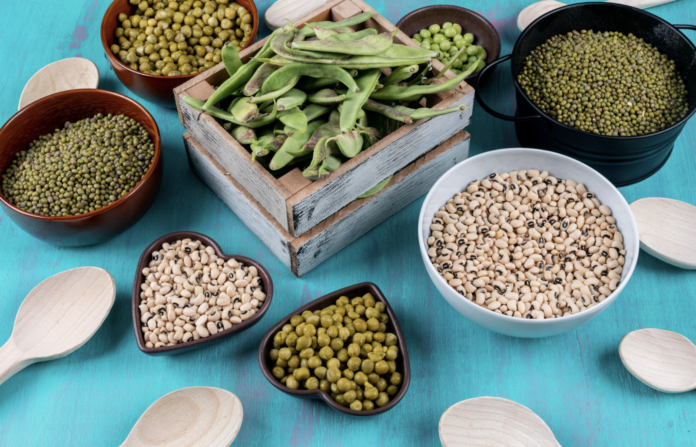
The world’s longest-living people eat legumes every single day — and the science finally explains why.
KEY STATISTICS
- People who eat legumes four or more times per week have a 22% lower risk of heart disease compared to those who eat them less than once a week, according to research published in the Archives of Internal Medicine.
- A landmark Blue Zones analysis found that legumes are the single most consistent dietary feature among centenarian populations across five continents.
- The NIH-AARP Diet and Health Study found that higher legume consumption was associated with a significantly lower risk of all-cause mortality over a multi-year follow-up period.
Somewhere between Sardinia, Okinawa, and the Nicoya Peninsula of Costa Rica, there is a quiet dietary pattern hiding in plain sight. The people living past 100 in these regions are not eating exotic superfoods or expensive supplements. They are eating beans — every single day.
What Legumes Actually Do
Legumes are a broad food family that includes lentils, chickpeas, black beans, fava beans, soybeans, and peas. What makes them extraordinary is not just their fiber content, but a specific cluster of bioactive compounds that work together to slow aging at a cellular level.
One of those compounds is resistant starch — a type of carbohydrate that resists digestion in the small intestine and feeds beneficial bacteria in the colon. When gut bacteria ferment resistant starch, they produce short-chain fatty acids like butyrate, which reduce systemic inflammation and support the gut lining.
Legumes are also rich in polyphenols, particularly flavonoids and isoflavones, which have been shown to reduce oxidative stress. Oxidative stress is one of the primary drivers of cellular aging, arterial stiffening, and chronic disease.
On top of that, legumes contain saponins — plant compounds with documented cholesterol-lowering and anti-tumor properties in early research. They also provide a low-glycemic protein source that keeps blood sugar stable for hours, reducing the insulin spikes that accelerate metabolic aging.
Why Start Eating Them Now
Adults between 25 and 35 are in a critical window where lifestyle habits are being solidified. The dietary patterns you build now directly shape your cardiovascular health, metabolic function, and inflammatory baseline in your 40s and 50s.
Research shows that arterial stiffness — a key predictor of heart attack and stroke risk — begins measurably increasing in your late 20s. The anti-inflammatory and fiber-rich profile of legumes helps protect arterial flexibility during exactly this period.
Many adults in this age group also rely heavily on processed proteins like deli meats, protein bars, and fast food. These sources are often high in saturated fat and sodium, which raise LDL cholesterol and inflammatory markers over time — problems that legumes actively counteract.
If you are not eating legumes regularly right now, you are not just missing a nutritious food. You may be missing one of the most well-documented longevity tools available — and losing the compounding benefit of starting early.
Warning Signs to Watch For
- You feel sluggish or hungry again within two hours of eating a high-protein meal — this may indicate poor blood sugar regulation that legumes can help stabilize.
- Your diet relies heavily on animal protein with little plant-based variety — a pattern linked to higher inflammatory markers over time.
- You experience frequent bloating or digestive discomfort, which may signal low gut microbiome diversity that legumes and resistant starch can help restore.
- Your LDL cholesterol or triglyceride levels are creeping upward at annual checkups — soluble fiber from legumes is one of the most evidence-supported dietary tools for reducing both.
- You feel consistently low-energy despite adequate sleep — this could reflect chronically unstable blood sugar and poor mitochondrial support, both of which legumes directly influence.
How Blue Zones Eat Them
In Blue Zone communities, legumes are not a side dish. They are the center of the plate — present at nearly every meal in some form. Sardinians eat fava bean soup.
Okinawans consume miso and edamame daily. Seventh-day Adventists in Loma Linda, California, build their meals around lentils and beans.
The quantity matters. Research from the Harvard T. H.
Chan School of Public Health suggests that approximately half a cup to one cup of cooked legumes per day is associated with meaningful reductions in cardiovascular and metabolic risk.
Legumes also have one of the lowest carbon footprints of any protein source, making them both a longevity food and a sustainable dietary choice. Their affordability makes them accessible — dried lentils and canned chickpeas are among the cheapest nutrient-dense foods available.
Cooking method also plays a role. Boiling and slow-cooking preserve the resistant starch and polyphenols better than high-heat frying. Canned legumes are convenient and nutritionally comparable to dried — just rinse them to reduce sodium content by up to 40%.
Action Plan Checklist
- Add half a cup of legumes to at least one meal per day — try lentil soup at lunch or black beans with dinner to start building the habit.
- Swap one weekly meat-based meal for a legume-centered dish such as a chickpea curry, lentil bolognese, or white bean stew.
- Batch-cook a large pot of lentils or chickpeas at the start of each week and store in the fridge for easy additions to salads, grain bowls, and wraps.
- If you experience gas or bloating, introduce legumes gradually — start with well-cooked red lentils or canned chickpeas, which are easier to digest than larger dried beans.
- Track your legume frequency for two weeks using a simple note on your phone — research shows that tracking behavior change dramatically improves consistency.
The Gut Reset Factor
There is one overlooked factor in the legume-longevity connection that most people miss entirely: the gut microbiome reset.
Legumes feed specific bacterial strains — including Bifidobacterium and Faecalibacterium prausnitzii — that produce anti-inflammatory compounds and regulate immune response. Low levels of these bacteria are consistently associated with depression, fatigue, and increased disease risk.
Most adults in their late 20s and early 30s have already experienced microbiome disruption from antibiotics, stress, alcohol, or poor dietary variety. Introducing legumes regularly is one of the most direct dietary strategies to rebuild a diverse, protective gut environment.
This gut-longevity connection is not just theoretical. Research published in Nature Medicine linked gut microbiome diversity directly to healthy aging and reduced all-cause mortality — and dietary fiber from legumes is the primary fuel source for that diversity.
Bottom Line
Legumes are not a dietary trend — they are the most consistent food pattern found in the world’s longest-lived populations, backed by decades of evidence. For adults in their 20s and 30s, adding just half a cup per day can meaningfully shift your inflammatory baseline, protect your heart, stabilize your energy, and feed the gut bacteria that regulate your long-term health. The centenarians were not wrong — and the science is finally catching up to their lunch bowls.
Always consult a qualified healthcare provider before making changes to your health routine.
Sources
- Legume consumption and risk of cardiovascular disease — Archives of Internal Medicine
- Blue Zones dietary patterns and longevity research — National Geographic and American Journal of Lifestyle Medicine
- Gut microbiome diversity and healthy aging — Nature Medicine
- Dietary fiber, resistant starch, and short-chain fatty acid production — NIH National Library of Medicine
- Legume intake and all-cause mortality in large cohort analysis — NIH-AARP Diet and Health Study, Harvard T.H. Chan School of Public Health

