
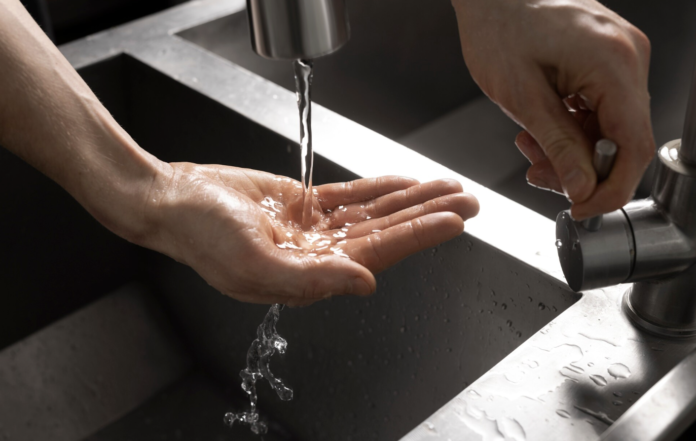
How to know if your water is safe and what to do about changes in your local supply.
KEY STATISTICS
- Most municipal water in the U.S. is regularly tested and must meet EPA safety standards.
- Discoloration or taste changes in tap water don’t automatically mean contamination—but they warrant investigation.
- Young adults aged 25–35 often assume their water is safe without checking local quality reports.
You turn on the tap and something looks or tastes different. Maybe the water is slightly discolored, has an unusual smell, or feels off in a way you can’t quite name. Your instinct says something’s wrong—but officials say it’s fine.
That gap between what you notice and what authorities confirm is where real confusion lives. Understanding what’s actually happening in your water, why those changes occur, and when you should act independently is the foundation of staying informed about one of your most basic daily exposures.
What causes water quality changes
Water quality issues typically stem from changes in the source water, aging pipes, or shifts in treatment processes. Most municipal systems test for bacteria, lead, chemical contaminants, and other regulated substances regularly; however, aesthetic concerns—color, taste, or odor—aren’t always tied to safety but do signal something has changed.
- Source water conditions shift seasonally (algae blooms, runoff) or after weather events like heavy rain or drought.
- Distribution pipes accumulate sediment or biofilm over time, affecting color and taste without always indicating contamination.
- Treatment adjustments to combat one issue (like chlorination levels) can create noticeable taste or odor side effects.
- Iron, manganese, or mineral deposits cause discoloration but may not pose immediate health risks at low levels.
Why 25–35 year-olds notice first
Your age group is uniquely positioned to be early detectors of water changes—but also quick to dismiss concerns if officials downplay them. Young adults in their mid-20s to mid-30s are often building independent homes or renting for the first time, meaning you’re personally responsible for your water safety but may lack experience reading water quality reports.
- You’re often the first generation in your household to live independently and pay attention to utilities directly.
- You’re healthy and without chronic conditions, so you may underestimate how water quality shifts could cumulate over years.
- You have online access to water quality data but limited habit of actually checking your local public water report.
- Younger immune systems can often handle minor contamination events that would affect children or older adults more quickly.
Warning signs to take seriously
- Persistent discoloration (brown, yellow, or cloudy water that doesn’t clear after running the tap for 30 seconds)
- New or strong chemical, metallic, or musty odor that wasn’t present before
- Visible sediment, particles, or debris in clear glasses of tap water
- Unexplained skin rashes, persistent stomach upset, or unusual headaches appearing after local water changes are reported
- Boil-water notices or do-not-drink advisories issued by your local water utility
- Unusual taste change that persists across different faucets in your home
- Low water pressure accompanied by visible discoloration (can indicate pipeline breaks or treatment disruptions)
Practical steps you can take now
Your immediate response to water quality concerns doesn’t require panic, but it does require informed action. Simple steps—like checking your local water quality report, installing a basic filter, or temporarily adjusting your water use—can bridge the gap between official reassurance and your own peace of mind.
- Download your local water utility’s annual water quality report (required by EPA; available free online) and read the contaminant levels section.
- Use a basic pitcher filter or faucet-mounted filter (like Brita or PUR) to reduce sediment and taste issues while you wait for clarity.
- Refill reusable bottles with filtered water if you’re concerned, rather than buying bottled water (cheaper and less wasteful).
- Run cold tap water for 30 seconds before drinking or cooking, especially after extended periods of non-use, to clear standing water in pipes.
Your action plan checklist
- Check your water utility’s website today for any posted advisories, water main breaks, or recent treatment changes.
- Request a copy of this year’s water quality report by phone or email if it’s not online—this is public information you’re entitled to.
- If discoloration or odor persists beyond a few days, call your water utility directly and report it; document the date, time, and description.
- Consider a basic water test kit (available at hardware stores) or contact your county extension office for low-cost testing if you suspect contamination.
- Install a water filter at the point of use (pitcher, faucet, or under-sink) if taste or appearance concerns are ongoing, regardless of official safety status.
Trust your senses, verify with data
One of the most overlooked factors in water quality anxiety is psychological reassurance versus actual evidence. Officials may say water is safe based on standard testing, but discoloration or taste changes create cognitive dissonance—and ignoring your own senses is emotionally exhausting. Permission to investigate further, even if authorities stand by their data, is sometimes the most important step toward peace of mind.
- Aesthetic concerns (color, taste, smell) are real and worth investigating, even if they don’t indicate unsafe contamination levels.
- Official safety statements and your personal observation aren’t always contradictory—both can be true simultaneously and warrant further investigation.
- Contacting your water utility with specific concerns creates a documented record and often prompts faster action than waiting for results.
- Temporary use of filtered water costs little and removes the stress of uncertainty while you gather more information.
Bottom Line
Water quality changes are common, and official reassurance can coexist with legitimate reasons to dig deeper. Rather than dismissing your observations or becoming hypervigilant, the middle ground is simple: access your local water report, ask direct questions of your utility, and use a basic filter while you verify. You’re not overreacting by wanting to understand your water—you’re being responsible.
365 Live Long — always consult a qualified healthcare provider before making changes to your health routine.
Sources
- Something’s off about Cañon City’s water. Officials say it’s not a health risk. — Colorado Politics via Google News
- General guidance on water safety and contamination — EPA
- Public water system contaminant testing requirements — CDC

