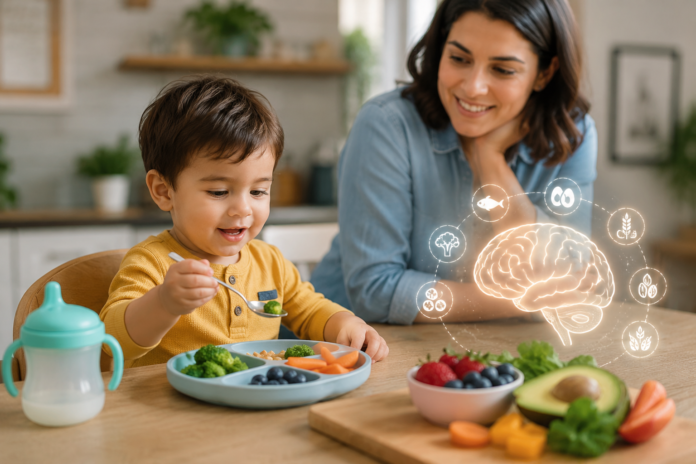
*What you feed your child before age 2 may influence cognitive function decades later—here’s what parents and future parents need to know.*
KEY STATISTICS
- Brain development accelerates most rapidly between birth and age 2, with 90% of growth occurring before age 5.
- Nutrient deficiencies in infancy are linked to measurable differences in cognitive outcomes in childhood and beyond.
- Iron, omega-3 fatty acids, and B vitamins are critical for myelin formation and neural communication during this window.
You’ve probably heard that the first thousand days of life are crucial—but what exactly happens during that window, and why does your toddler’s lunch today matter for their brain at 35? Recent research shines a spotlight on a window most of us overlooked: the diet you or someone you know provides between birth and age 2 may quietly shape cognitive resilience, learning capacity, and even neurological health decades down the road. The good news is that understanding this connection gives you real, actionable steps you can take right now—whether you’re a parent, planning to be one, or simply curious about how early nutrition ripples through a lifetime.
How Early Nutrition Builds Brain Structure
The human brain undergoes explosive growth in infancy and toddlerhood, and that growth depends entirely on nutrition. During these critical years, the brain is building neural connections and insulating nerve fibers—a process called myelination—that determines how efficiently your neurons communicate for life.
- Iron supports myelin formation and oxygen delivery to developing brain tissue; deficiency impairs this process measurably.
- Omega-3 fatty acids (especially DHA) are structural components of brain cell membranes and are essential for synapse development.
- B vitamins (B6, B12, folate) are cofactors in neurotransmitter synthesis and DNA methylation—both critical for cognitive wiring.
- Protein provides amino acids needed to build neurotransmitters that regulate mood, memory, and learning throughout life.
Why These Years Are Irreplaceable
Ages zero to two represent a non-negotiable window for brain development that never fully repeats. While the brain continues developing into adulthood, the foundational architecture—the density and connectivity of neural networks—is largely set by toddlerhood.
- Nutritional gaps in infancy are harder to fully reverse than gaps at older ages due to critical period sensitivity.
- Breast milk or formula composition shapes early microbiota, which influences both immune function and neural development.
- Malnutrition before age 2 correlates with lower IQ, reduced academic achievement, and altered stress resilience in later childhood.
- The plasticity of the infant brain means early nutrient exposure can influence long-term metabolic and cognitive patterns.
Signs of Nutritional Risk in Toddlers
- Delayed speech, delayed motor milestones, or sluggish responsiveness in infancy—discuss with your pediatrician immediately.
- Picky eating that excludes entire food groups (protein, fats, vegetables) for weeks; suggests possible nutrient gaps.
- Frequent infections or slow recovery from illness; may indicate compromised immune development linked to nutritional status.
- Poor growth trajectory or falling percentiles on growth charts; signals inadequate caloric or nutrient intake.
- Persistent constipation or diarrhea during the transition to solid foods; can impair nutrient absorption.
- Fatigue or low muscle tone that seems unusual for your child’s age; warrants pediatric assessment.
Practical Diet & Feeding Strategies
The research connecting early diet to later brain health doesn’t mean you need to obsess over every bite. It means building simple, consistent habits around whole foods, healthy fats, and iron-rich sources during those first two years.
- Introduce iron-rich foods early: fortified infant cereals, pureed meats, legumes, and dark leafy greens (soft or mashed).
- Include omega-3 sources: fish like salmon (deboned and flaked), nut butters (smooth, age-appropriate), or avocado to support neural membranes.
- Offer varied, colorful vegetables and fruits to establish diverse microbiota and provide B vitamins and antioxidants.
- Breastfeed or use iron-fortified formula as primary nutrition through 12 months; gradually transition to whole foods without rushing solids.
5-Step Checklist to Start Today
- Review your child’s current diet: identify one protein source and one omega-3 source you’ll rotate weekly.
- Stock one iron-rich food and one healthy-fat food in your weekly shopping list (canned salmon, eggs, fortified cereal, nut butter).
- Schedule a pediatric nutrition check-in if your child is a very picky eater or has had feeding delays.
- If breastfeeding, ensure your own diet includes iodine, iron, and B12; these transfer to your milk.
- Keep a simple food diary for one week to spot nutrient gaps (no detail needed—just note protein, fats, iron sources eaten).
Sleep & Stress: The Hidden Cofactors
Sleep and stress management in infancy are often overlooked partners to nutrition in brain development. Poor sleep disrupts memory consolidation and stress hormone regulation, while chronic stress in early childhood impairs the very neural circuits that nutrition is trying to build.
- Consistent sleep routines support memory encoding and myelin consolidation; irregular sleep undermines the benefits of good nutrition.
- High cortisol from parental stress or inconsistent caregiving can impair nutrient absorption and dampen cognitive gains.
- Secure attachment and responsive caregiving during feeding times amplify the neurological benefits of a nutrient-rich diet.
- Environmental safety and low-noise stress allow the developing brain to allocate energy to growth rather than survival mode.
Bottom Line
The diet you or a caregiver provides between birth and age 2 is not destiny—but it is foundational. It shapes the neural architecture your brain will rely on for learning, memory, and resilience for the next 30+ years. The window is narrow, but the practical steps are simple: iron-rich foods, healthy fats, diverse vegetables, and consistent feeding patterns.
If you’re already past those early years, focus on what you can influence now. If you’re planning parenthood or supporting someone who is, this is the moment to build these habits intentionally. Small, consistent choices in the toddler years pay dividends across a lifetime.
365 Live Long — always consult a qualified healthcare provider before making changes to your health routine.
Sources
- Your Diet Before Age 2 May Shape Your Brain Health for Decades, New Study Shows — Yahoo Health
- General guidance on infant nutrition and early childhood development — CDC
- Nutrition in the first 1000 days and brain development — Harvard Health Publishing