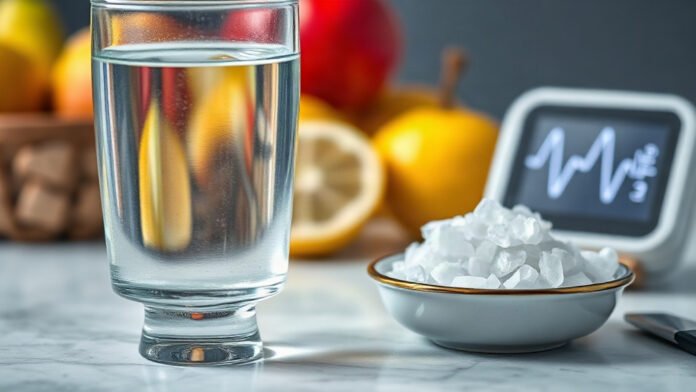
*Recent research links this popular sweetener to cardiovascular concerns—here’s what doctors want you to know.*
KEY STATISTICS
- Xylitol is used in thousands of sugar-free products, from gum to protein bars to dental care items.
- Emerging research suggests a potential link between xylitol and heart health markers in some populations.
- Most of the concerning data comes from observational studies, not definitive clinical trials in all age groups.
You reach for a piece of sugar-free gum, sip a protein drink sweetened with xylitol, or chew a breath mint without thinking twice. It’s supposed to be the healthy swap—better for your teeth, kinder to your blood sugar. But recent headlines have raised a question many of us are asking: Could this popular sweetener actually be bad for your heart?
The answer isn’t as simple as a yes or no, but it’s worth understanding what the emerging research says and what you can do today to protect yourself.
How Xylitol Affects Your Body
Xylitol is a sugar alcohol that our bodies process differently than regular sugar. Recent studies have suggested potential connections between xylitol consumption and certain cardiovascular markers, though the exact mechanisms are still being investigated by researchers.
- Xylitol enters the bloodstream and is metabolized primarily by the liver, unlike glucose which enters cells quickly for energy.
- Some research indicates xylitol may influence platelet function and clotting factors, which could theoretically affect heart health.
- Observational studies have linked higher xylitol consumption to increased cardiovascular risk, but causation hasn’t been definitively proven in controlled trials.
- Your body doesn’t produce natural enzymes to break down xylitol efficiently, so accumulation in blood is possible with regular high intake.
Why Your 20s and 30s Matter
Adults in their late 20s to mid-30s often consume more xylitol than they realize, thanks to the explosion of ‘healthy’ processed foods and sugar-free products marketed to fitness-conscious younger adults. While you may feel young and protected from heart disease, your habits now set the foundation for cardiovascular health decades down the line.
- Sugar-free products appeal heavily to your age group, increasing daily xylitol intake without obvious awareness.
- Early cardiovascular changes can begin in the 20s and 30s, even if symptoms don’t appear for years.
- Young adults often have fewer medical visits, meaning silent changes to blood lipids or clotting aren’t caught as early.
- Your lifestyle choices now—including artificial sweetener preferences—compound over decades of exposure.
When to Talk to Your Doctor
- A family history of heart disease, high cholesterol, or blood clots—especially in parents or grandparents before age 55.
- You consume xylitol-sweetened products daily (gum, protein bars, drinks, or sugar-free candy multiple times per day).
- New or worsening shortness of breath, chest discomfort, or unusual fatigue that doesn’t match your activity level.
- Recent blood work showed elevated triglycerides, LDL cholesterol, or other lipid abnormalities.
- You have a personal history of blood clots, heart arrhythmias, or any prior cardiovascular event.
- Unexplained bruising, bleeding gums, or nosebleeds that seem more frequent than usual.
- You’re already taking blood-thinning medications—xylitol’s potential effects on platelets may interact with these.
What Actually Helps Your Heart
The good news: you don’t have to eliminate xylitol overnight or feel trapped by this research. Instead, focus on moderation and awareness. The most heart-protective move is to reduce your dependence on any sweetener—artificial or otherwise—and choose whole foods most of the time.
- Limit xylitol intake to occasional use rather than daily consumption; one piece of gum or a single sugar-free snack per day is very different from three or more.
- Replace most xylitol products with whole foods: fresh fruit instead of sugar-free candy, water or unsweetened tea instead of diet drinks.
- Prioritize proven heart-healthy habits: regular moderate exercise (150 minutes per week), a diet rich in vegetables and fish, and stress management.
- If you need sweetness, vary your sources—some days use stevia or erythritol, some days use small amounts of honey or maple syrup, many days use none.
Start Here This Week
- Audit your intake: Write down every xylitol-containing product you consume for three days to get a real picture of your exposure.
- Choose one xylitol habit to swap: If you chew xylitol gum daily, replace it with sugar-free gum using stevia or simply reduce frequency to 2-3 times per week.
- Schedule a quick chat with your doctor or nurse: Ask whether xylitol is a concern given your personal and family health history.
- Stock whole-food alternatives: Buy fresh berries, nuts, and herbal tea so you reach for these instead of processed sugar-free items.
- Read labels actively: Check ingredient lists on protein bars, yogurts, and drinks for xylitol—you may be surprised how often it appears.
The Sleep and Stress Connection
While xylitol research grabs headlines, don’t overlook two proven heart disruptors that young adults often neglect: poor sleep and chronic stress. Both can worsen cholesterol, blood pressure, and inflammation independent of your sweetener choice, and both are directly in your control.
- Chronic sleep deprivation (under 6-7 hours nightly) increases cardiovascular risk more predictably than most dietary factors—prioritize consistent bedtime routines.
- Unmanaged stress elevates cortisol and inflammatory markers linked to heart disease; even 10 minutes of daily breathing or meditation has measurable benefits.
- The combination of high xylitol intake plus poor sleep or high stress may compound heart risk more than any single factor alone.
- Your 20s and 30s are the ideal time to build sleep and stress habits that protect your 50s and 60s.
Bottom Line
Xylitol isn’t a proven poison, but the emerging research is a legitimate signal to reconsider how much of this sweetener you’re consuming daily. The safest approach for your age group is simple: shift toward whole foods, use xylitol occasionally rather than as a daily staple, and talk to your doctor if you have cardiovascular risk factors. Small changes now—cutting back on artificial sweeteners, improving sleep, and managing stress—create a compounding benefit for your heart health over the next 30 years.
365 Live Long — always consult a qualified healthcare provider before making changes to your health routine.
Sources
- Heart health articles and emerging research on xylitol — Google News — heart health
- General cardiovascular health guidance — CDC
- Sugar alcohol safety and metabolism — Mayo Clinic