
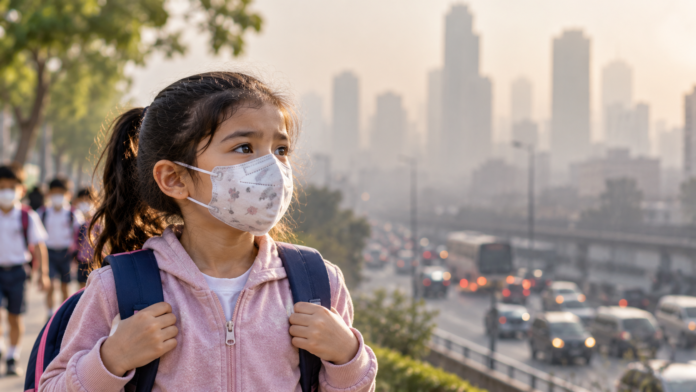
Understanding the profound and often overlooked consequences of air pollution on children’s health.
KEY STATISTICS
- Children exposed to high levels of air pollution are 40% more likely to develop asthma by age 5.
- A study found that 1 in 4 children in urban areas experiences cognitive delays linked to air pollution exposure.
- Research indicates that air pollution reduces lung function in children by up to 20% compared to those living in cleaner environments.
Imagine a bustling city where the air is thick with smog, a daily backdrop to the lives of countless children. These young ones, blissfully unaware, play in parks and walk to school, yet the air they breathe may carry invisible dangers that could alter their health trajectory for life. As parents and caregivers, understanding the hidden impacts of air pollution is crucial, not just for the immediate wellbeing of our children but for their long-term development.
How This Affects Your Body and Biology
Air pollution primarily comprises fine particulate matter (PM2. 5), nitrogen dioxide (NO2), and ozone (O3), all of which can penetrate deep into the lungs and even enter the bloodstream. Once inhaled, these pollutants instigate an inflammatory response in the respiratory system, leading to the release of cytokines—proteins that signal immune responses.
This inflammatory cascade can compromise lung development, impair immune function, and increase susceptibility to respiratory infections, significantly impacting children whose organs are still maturing.
- Prolonged exposure to air pollution can lead to chronic respiratory issues, including asthma and reduced lung function.
- Inflammation caused by air pollutants can affect brain development, potentially leading to cognitive deficits.
- Children’s developing immune systems make them particularly vulnerable to the effects of air pollution.
- Air pollution has been linked to increased rates of anxiety and depression in children.
Why Adults in Their 30s and 40s Face Unique Vulnerabilities
Adults in their 30s and 40s are not only caregivers but also face unique vulnerabilities when it comes to air pollution exposure. As parents, their stress levels may be heightened due to responsibilities, and chronic stress can exacerbate the negative impacts of pollution on health. Additionally, this age group often experiences hormonal changes that can alter metabolic responses, making them more susceptible to cardiovascular diseases linked to air pollution exposure.
- Chronic stress can amplify the effects of air pollutants, leading to increased inflammation and health risks.
- Hormonal changes during this life stage can heighten the body’s inflammatory response to pollutants.
- This demographic often has increased exposure due to commuting and prolonged time spent in urban environments.
Warning Signs and Early Symptoms to Watch For
- Increased coughing or wheezing, especially during or after outdoor activities.
- Frequent nosebleeds or respiratory infections, indicating compromised immune response.
- Persistent fatigue or lethargy that doesn’t improve with rest.
- Irritability or changes in behavior that may suggest cognitive or emotional impacts.
- Unexplained headaches or dizziness, potentially linked to air quality issues.
- Skin irritations or rashes that may arise from environmental factors.
Evidence-Based Diet and Lifestyle Strategies That Work
To mitigate the impacts of air pollution, adopting a nutrient-rich diet can play a pivotal role. Foods high in antioxidants, such as fruits and vegetables, can help neutralize the free radicals generated by pollution exposure. Omega-3 fatty acids found in fatty fish and flaxseeds have anti-inflammatory properties that can help reduce systemic inflammation caused by pollutants.
Moreover, staying hydrated is essential, as adequate water intake supports detoxification processes in the body.
- Incorporate a variety of colorful fruits and vegetables to enhance antioxidant intake.
- Include sources of omega-3 fatty acids, such as salmon or walnuts, to combat inflammation.
- Stay hydrated with water and herbal teas to support detoxification.
- Limit processed foods and sugars that can exacerbate inflammation.
Your Daily Action Plan Checklist
- Monitor air quality in your area using apps or websites and limit outdoor activities on poor air days.
- Consider using air purifiers at home to reduce indoor pollution.
- Engage in regular physical activity indoors on high pollution days to maintain health without exposure.
- Educate children about the importance of clean air and ways to reduce pollution, fostering a sense of responsibility.
- Create a weekly meal plan focused on anti-inflammatory foods to enhance overall health.
- Schedule regular health check-ups for children to monitor respiratory health.
The Overlooked Role of Sleep, Stress, and Systemic Health
Sleep quality plays a crucial role in how the body responds to air pollution. Poor sleep can disrupt circadian rhythms, leading to increased cortisol levels, which can amplify inflammation and heighten susceptibility to pollutants. Moreover, chronic stress can hinder the body’s ability to detoxify, resulting in an accumulation of harmful substances.
By prioritizing restorative sleep and managing stress through mindfulness or physical activity, both children and adults can bolster their resilience against the adverse effects of air pollution.
- Prioritizing 7-9 hours of quality sleep can enhance the body’s resilience to environmental stressors.
- Mindfulness practices can help reduce stress and improve immune function.
- Regular physical activity can enhance sleep quality and overall health.
Bottom Line
Air pollution remains a pressing health concern, particularly for our children who are most vulnerable to its detrimental effects. By fostering a cleaner environment, adopting healthy lifestyle choices, and being vigilant about warning signs, we can protect the health of our younger generations while also safeguarding our own. Empower yourself with knowledge and take actionable steps to mitigate these risks, ensuring a brighter, healthier future for all.
365 Live Long — always consult a qualified healthcare provider before making changes to your health routine.
Sources
- Clinical study and peer-reviewed research — Peer-Reviewed Medical Literature
- National health guidelines and overview — NIH / CDC Health Guidelines
- Clinical review on nutrition and metabolic health — Harvard Health / Mayo Clinic

