
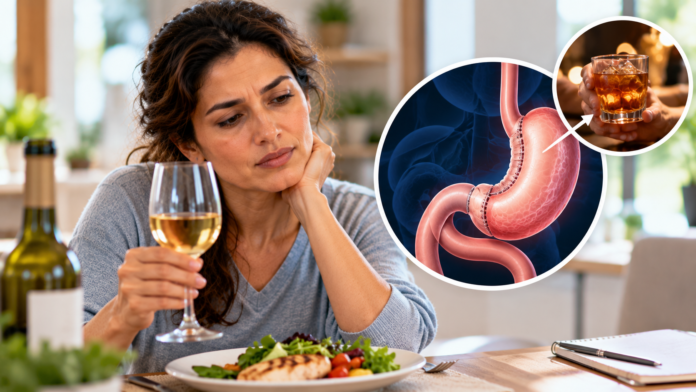
Navigating the complex relationship between alcohol consumption and recovery post-surgery.
KEY STATISTICS
- Up to 30% of patients may develop alcohol use disorders after weight loss surgery.
- Studies show that alcohol absorption can increase by 200% in post-surgery patients.
- Approximately 50% of bariatric surgery patients report increased cravings for alcohol.
For many adults in their 30s and 40s, weight loss surgery represents a new chapter—an opportunity to reclaim health and vitality. However, this journey can take an unexpected turn when the conversation shifts to the role of alcohol, a topic often overlooked in pre-operative discussions yet crucial for long-term success and wellbeing. Imagine celebrating your progress with friends over cocktails, only to find that what was once a casual drink now feels like a tightrope walk—balancing newfound freedom with emerging risks.
How This Affects Your Body and Biology
Weight loss surgery, particularly bariatric procedures like gastric bypass or sleeve gastrectomy, radically alters the anatomy and physiology of the digestive system. These surgeries reduce stomach size and reroute the intestines, leading to significant changes in how the body metabolizes food and, importantly, alcohol. This alteration can increase the speed at which alcohol enters the bloodstream—up to 200% faster—due to a smaller stomach and changes in gut flora.
Consequently, even small amounts of alcohol can lead to rapid intoxication and heightened risks of alcohol use disorders.
The biological mechanisms at play involve the liver’s role in alcohol metabolism. With less food to process, the liver may prioritize alcohol, leading to a quicker build-up of blood alcohol concentration (BAC). Additionally, hormonal changes post-surgery can affect cravings and reward pathways in the brain, making alcohol more appealing and potentially addictive.
These changes can create a precarious situation where the euphoric effects of alcohol may be experienced with less intake, increasing the risk of dependence.
- Bariatric surgery can increase the rate of alcohol absorption significantly.
- Metabolic changes post-surgery may enhance cravings for alcohol.
- Less food in the stomach leads to quicker intoxication.
- Hormonal shifts can alter brain chemistry, increasing the risk of addiction.
Why Adults in Their 30s and 40s Face Unique Vulnerabilities
Adults in their 30s and 40s are often at a pivotal stage in life, experiencing shifts in metabolism, hormonal balance, and social dynamics. These factors can uniquely heighten the risks associated with alcohol consumption after weight loss surgery. For instance, hormonal changes such as decreased estrogen or testosterone can shift mood and cravings, making alcohol a more attractive option for coping with stress or social situations, ultimately leading to increased consumption.
Moreover, this age demographic often grapples with life transitions—career changes, parenting responsibilities, or relationships—fueling emotional eating or drinking as a coping mechanism. Those who have undergone weight loss surgery may find themselves in social situations where alcohol is prevalent, further complicating their relationship with it. The combination of these environmental and biological factors creates a perfect storm for developing alcohol-related issues after surgery.
- Hormonal shifts can exacerbate cravings for alcohol.
- Social pressures and emotional stressors often lead to increased consumption.
- Metabolism slows down with age, affecting alcohol processing.
Warning Signs and Early Symptoms to Watch For
- Rapid intoxication: Feeling drunk after consuming less alcohol than before surgery.
- Increased tolerance: Needing more alcohol to achieve the same effects, indicating potential dependence.
- Cravings: Uncontrollable urges to drink, especially during social situations.
- Mood changes: Increased anxiety or depression linked to alcohol consumption.
- Physical symptoms: Nausea, vomiting, or blackouts after drinking.
- Social withdrawal: Avoiding social situations to drink alone or to hide drinking habits.
Evidence-Based Diet and Lifestyle Strategies That Work
To effectively navigate the risks of alcohol consumption post-weight loss surgery, adopting a mindful approach to both diet and lifestyle is essential. Education on the effects of alcohol on the restructured gastrointestinal system can empower individuals to make healthier choices. Consider integrating nutrient-dense foods and hydration strategies into your daily routine.
For instance, pairing complex carbohydrates with proteins can help stabilize blood sugar levels and reduce cravings for alcohol.
Furthermore, establishing a supportive social network can be invaluable. Engage in activities that promote wellness and discourage alcohol consumption, such as group workouts or cooking classes focused on healthy meals. Mindfulness practices, such as meditation or journaling, can also help manage stress and reduce the impulse to turn to alcohol for comfort.
- Incorporate protein-rich snacks to help manage cravings.
- Stay hydrated with water or herbal teas to reduce the desire for alcohol.
- Engage in physical activities that promote health and social connection.
- Practice mindfulness techniques to cope with stress without resorting to alcohol.
Your Daily Action Plan Checklist
- Track your alcohol intake and reflect on its impact on your health.
- Engage in at least 30 minutes of physical activity daily.
- Stay connected with supportive friends or groups focused on health.
- Educate yourself on the effects of alcohol on your body post-surgery.
- Create a list of alternative activities that do not involve alcohol.
- Seek professional help if you notice warning signs of alcohol misuse.
The Overlooked Role of Sleep, Stress, and Systemic Health
Sleep and stress management play crucial roles in overall health and can significantly affect the risks associated with alcohol consumption post-surgery. Chronic stress can elevate cortisol levels, leading to increased cravings for alcohol as a form of self-medication. Moreover, poor sleep quality can impair judgment and increase impulsivity, making it more likely that individuals will turn to alcohol to cope with daily challenges.
Ensuring adequate sleep and managing stress through healthy outlets can mitigate these risks, creating a more balanced lifestyle that supports recovery after surgery.
In addition, systemic health factors such as inflammation and metabolic syndrome can complicate the recovery process. Addressing these underlying health issues through lifestyle changes, including diet and exercise, can help prevent the complications associated with alcohol use, reinforcing the importance of a holistic approach to health post-surgery.
- Chronic stress can elevate cortisol, increasing alcohol cravings.
- Poor sleep can impair decision-making and increase impulsivity.
- Addressing systemic health issues can mitigate alcohol-related risks.
Bottom Line
Navigating life after weight loss surgery is a journey filled with challenges and opportunities. Understanding the complex relationship between alcohol and the physiological changes that occur post-surgery is essential for maintaining health and wellbeing. By adopting proactive strategies, staying informed, and seeking support, you can enjoy your new lifestyle while minimizing risks associated with alcohol consumption.
365 Live Long — always consult a qualified healthcare provider before making changes to your health routine.
Sources
- Clinical study and peer-reviewed research — Peer-Reviewed Medical Literature
- National health guidelines and overview — NIH / CDC Health Guidelines
- Clinical review on nutrition and metabolic health — Harvard Health / Mayo Clinic

