
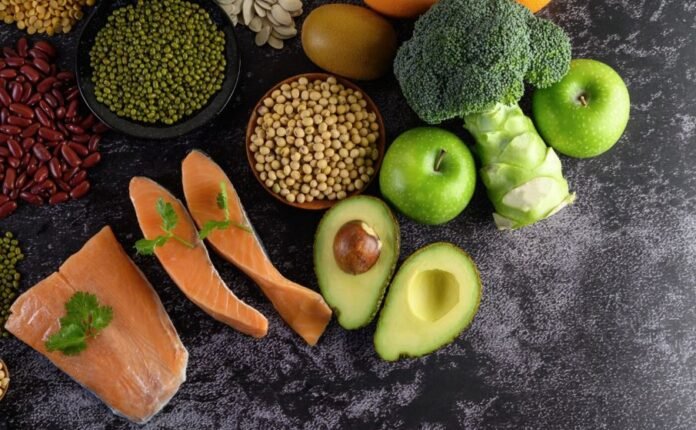
You think you’re eating enough protein — but your body may be missing the specific amino acids it actually needs to repair, energise, and defend itself.
KEY STATISTICS
- Research published in the American Journal of Clinical Nutrition found that up to 40% of adults consuming adequate total protein still fall short of optimal leucine intake — the amino acid most responsible for triggering muscle repair.
- A 2022 NIH review estimated that lysine deficiency, even in mild form, is present in roughly 1 in 4 young adults following plant-heavy or mixed diets without structured protein planning.
- The World Health Organization reports that essential amino acid inadequacy is more common in industrialised nations than previously assumed, particularly among adults aged 18 to 35 who rely on convenience and processed protein sources.
You hit your protein target most days. You eat chicken, eggs, some Greek yoghurt, maybe a protein bar — and you assume you are covered. But total protein grams on a nutrition label tells you almost nothing about whether your body is getting the right amino acids in the right amounts to actually do the work.
What Protein Really Means
Protein is not a single nutrient. It is a collection of 20 amino acids, nine of which your body cannot produce on its own — these are called essential amino acids (EAAs), and every single one must come from food.
Those nine EAAs each serve a distinct function. Leucine triggers muscle protein synthesis. Lysine supports collagen production and immune antibody formation.
Tryptophan is the direct precursor to serotonin. Methionine drives liver detoxification. Missing even one consistently can create a chain reaction of subtle dysfunction.
The issue is that most people focus on grams of protein rather than amino acid profile. A protein source that provides 25 grams total but is low in one or two EAAs leaves your body scrambling to compensate — and over time, it simply cannot.
Why Your 30s Are Critical
Adults aged 25 to 35 are in a unique biological window. Your body is still capable of high muscle protein synthesis, strong immune response, and efficient hormonal production — but only if the raw materials are there.
This decade is also when lifestyle habits become entrenched. If you are regularly under-consuming specific EAAs now, the effects accumulate quietly. Slower muscle recovery, subtle immune dips, and mood instability often show up years before anyone connects them to amino acid gaps.
Adding to the risk, this age group is also most likely to be protein-grazing — snacking on bars, shakes, and convenience foods that are often low in complete amino acid profiles despite being marketed as high-protein products.
Warning Signs to Watch For
- Muscle soreness that lingers longer than 48 to 72 hours after a workout, even with adequate rest
- Frequent low-grade illness — colds, sore throats, or fatigue that seem to cycle through repeatedly
- Persistent low mood, irritability, or difficulty sleeping, which may reflect low tryptophan and serotonin precursor availability
- Hair thinning or brittle nails, both early signs of lysine or methionine insufficiency affecting structural protein production
- Energy that feels flat despite getting enough sleep and eating enough calories overall
What Actually Helps
The most practical fix is to think in terms of protein quality, not just protein quantity. Complete proteins — those that contain all nine essential amino acids in sufficient amounts — include eggs, dairy, meat, fish, and soy.
If you eat a varied diet, combining incomplete protein sources matters more than people realise. Rice and legumes together, for example, complement each other’s amino acid profiles. This is not just a vegan concern — it applies to anyone whose protein comes primarily from processed or single-source foods.
Spacing protein intake throughout the day also helps. Your body can only effectively stimulate muscle protein synthesis from a single meal up to around 40 grams of high-quality protein. Eating three or four meals with complete or well-complemented protein sources is more effective than loading protein into one or two meals.
Focus on variety within your protein sources. Rotating between eggs, fish, legumes, dairy, and lean meat gives you broader amino acid coverage than eating the same two or three sources every day.
Action Plan Checklist
- Prioritise at least two servings of complete protein sources daily — eggs, fish, poultry, dairy, or soy-based foods like edamame or tofu
- If you follow a plant-heavy diet, combine grains with legumes at least once per day to fill essential amino acid gaps — particularly lysine, which is low in grains
- Read protein bar and shake labels for amino acid profile, not just total grams — look for products made from whey, pea and rice blend, or egg white to ensure EAA completeness
- Distribute protein across three to four meals rather than concentrating it in one sitting to maximise muscle protein synthesis throughout the day
- If recovery, mood, or immunity have felt off for several weeks without a clear cause, ask your GP or a registered dietitian to review your dietary protein quality — not just quantity
The Overlooked Factor
Stress is silently increasing your essential amino acid demand. When cortisol is chronically elevated, your body accelerates protein catabolism — breaking down muscle tissue faster than usual and raising the amount of EAAs needed just to maintain baseline function.
This means that a young adult managing a stressful job, poor sleep, and a busy social calendar may need meaningfully more high-quality protein than the standard dietary reference values suggest. Those guidelines are set for maintenance, not for someone under sustained physiological stress.
If you are training hard, sleeping poorly, or running on stress, your amino acid gap is likely wider than someone at rest. This is the overlooked context that turns a mild protein planning issue into a real energy and recovery problem.
Bottom Line
Eating enough protein is a good start, but it is not the full picture. If your energy, recovery, immunity, or mood are consistently underwhelming, the problem may not be how much protein you eat — it may be which amino acids you are consistently missing. A small shift toward protein quality and variety could be the practical change that finally moves the needle.
Always consult a qualified healthcare provider before making changes to your health routine.
Sources
- Dietary protein quality and adequacy in young adults — American Journal of Clinical Nutrition
- Essential amino acid requirements and dietary reference values — World Health Organization
- Protein distribution and muscle protein synthesis across meals — Journal of Nutrition
- Lysine deficiency in mixed-diet populations — NIH National Library of Medicine
- Amino acid adequacy and immune function in adults — Harvard Health Publishing

