Why adding strength training to your routine matters more than you think
KEY STATISTICS
- Regular walking reduces cardiovascular disease risk, but strength training adds distinct heart-protective benefits walking alone cannot provide.
- Adults over 45 who combine aerobic activity with resistance exercise show better heart function and blood pressure control than those who do one or the other.
- Muscle loss accelerates after age 50, which weakens the metabolic foundation that supports a healthy heart.
You’ve heard it a thousand times: walk more for a healthier heart. And it’s true — walking is one of the safest, most accessible ways to strengthen your cardiovascular system. But here’s what many people over 45 miss: walking alone may provide fewer heart-health benefits than combining it with strength training.
Research suggests that combining strength training with walking may provide more comprehensive heart protection than either alone.
How walking and strength work differently
Your heart isn’t just a pump; it’s deeply connected to your muscles and metabolism. When you walk, you improve how blood flows and how efficiently your heart works. But strength training does something different and equally important: it rebuilds muscle tissue, regulates blood sugar, and reduces harmful inflammation throughout your body.
- Walking strengthens aerobic capacity and improves blood vessel flexibility, lowering stress on your heart.
- Strength training preserves and builds muscle mass, which acts as a metabolic engine and helps regulate blood sugar and inflammation.
- Together, they address different pathways to heart disease — one through circulation, the other through metabolic health.
- Neither replaces the other; each fills a gap the other cannot.
Why 45–70 is your critical window
After 50, your body naturally loses muscle at an accelerating rate — roughly 3–5% per decade if you’re inactive. This muscle loss isn’t just about strength; it directly weakens your heart’s support system. Fewer muscles mean less metabolic activity, higher insulin resistance, worse blood pressure control, and increased inflammation — all major heart disease drivers.
- Cardiovascular disease risk rises sharply in this age range, making prevention more urgent than at younger ages.
- Muscle loss accelerates, making strength training increasingly important to maintain metabolic health and heart support.
- Adding strength training to walking may help address muscle loss that can amplify heart disease risk over time.
- The habits you build now determine whether you maintain or lose cardiovascular resilience in your 60s and 70s.
Watch for these heart health signals
- Shortness of breath during light activity (climbing stairs, walking briskly) or at rest
- Chest discomfort, pressure, or pain — especially during or after exertion
- Unusual fatigue that doesn’t improve with rest, or sudden weakness in daily tasks
- Swelling in legs, ankles, or feet, or unexplained weight gain over days
- Irregular heartbeat, racing heart, or dizziness during routine activity
- High resting blood pressure readings (consistently above 130/80 mmHg)
What actually protects your heart
The good news is that you don’t need to become a bodybuilder or spend hours at the gym. Effective heart-healthy strength training for this age group means simple, consistent resistance work paired with your walking routine. Research suggests the combination may create a more comprehensive defense against heart disease than either alone.
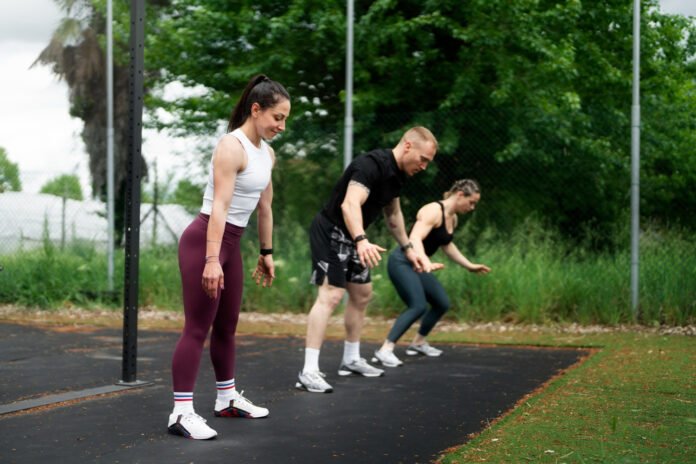
- Combine 150 minutes of moderate walking weekly with 2–3 sessions of resistance work (bodyweight, dumbbells, or bands).
- Strength training doesn’t require heavy weights — moderate resistance 8–12 reps per exercise rebuilds muscle and metabolic health.
- Focus on compound movements (squats, push-ups, rows) that engage large muscle groups and boost heart-supporting metabolism.
- Consistency matters more than intensity; 20–30 minutes twice weekly outperforms sporadic heavy workouts.
Your heart health action plan
- Schedule walks 5 days per week at a comfortable pace — aim for 30 minutes most days.
- Add resistance training twice weekly (Monday/Thursday, or Tuesday/Friday pattern) with 20–30 minute sessions.
- Start with bodyweight exercises (squats, wall push-ups, lunges) if you’re new to strength work; no equipment required.
- Track your resting heart rate weekly — a declining trend signals improving cardiovascular fitness over 4–6 weeks.
- Check blood pressure monthly and share readings with your doctor to monitor progress.
- Plan one strength session to be guided (trainer session, class, or online video) to ensure proper form and safety.
The overlooked recovery factor
Sleep and stress recovery are the hidden third pillar most people overlook. Your heart repairs and strengthens during deep sleep, and chronic stress directly undermines both walking and strength training benefits. Without adequate rest and stress management, even a perfect exercise routine delivers only partial protection.
- Aim for 7–9 hours of consistent sleep; poor sleep raises blood pressure and heart disease risk as much as sedentary life.
- Stress management (meditation, breathing work, time in nature) lowers inflammation and heart strain independent of exercise.
- Allow at least one full rest day per week; overtraining without recovery can stress your heart, not strengthen it.
- Monitor how you feel after workouts — persistent fatigue or soreness signals you need more recovery time.
Bottom Line
Walking is genuinely good for your heart — but it’s only half the picture. Adding strength training resets your metabolic foundation, preserves heart-supporting muscle, and protects against the specific vulnerabilities that emerge after 45. The combination isn’t fancy or complicated.
It’s simply the most complete, evidence-based approach available to keep your heart healthy and strong through this decade and beyond.
365 Live Long — always consult a qualified healthcare provider before making changes to your health routine.
Sources
- Walking is one of the best exercises for heart health — but experts say strength training matters too — Yahoo Creators / Google News
- General cardiovascular health guidance — Mayo Clinic
- Heart disease prevention and exercise recommendations — CDC