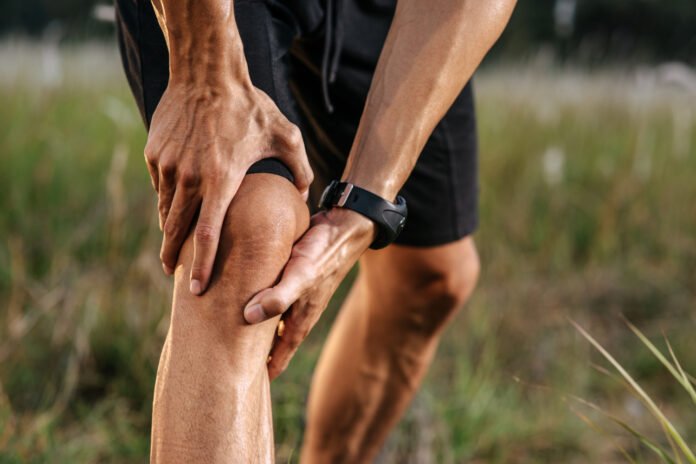
*Knee osteoarthritis develops over time—but you have more control than you think*
KEY STATISTICS
- Muscle strength around the knee is one of the strongest modifiable factors in slowing osteoarthritis progression
- Even modest weight loss reduces stress on knee joints and can ease pain during everyday activities
- Regular movement and targeted leg exercises can help preserve cartilage and maintain mobility well into later life
You’ve noticed your knees ache after climbing stairs, or stiffness greets you first thing in the morning. If you’re over 45, knee osteoarthritis might feel like an unwelcome part of aging—something that simply happens. The truth is different.
While you can’t reverse existing cartilage damage, research suggests you may be able to slow the progression of knee osteoarthritis. The habits you build today—stronger leg muscles, smarter movement patterns, better nutrition, and modest changes to your weight—directly influence how much pain and limitation you’ll experience in the years ahead.
What Happens Inside Your Knee
Knee osteoarthritis develops when cartilage—the smooth protective tissue that cushions your knee joint—wears down over time. This isn’t a sudden event; it’s a gradual process driven by repeated stress, inflammation, and how well your muscles support the joint.
- Cartilage loss may expose bone, which can increase friction and potentially trigger pain and swelling in the joint
- Weak leg muscles force your knee to absorb more impact, accelerating cartilage wear
- Inflammation develops as the joint tries to repair itself, creating stiffness and limiting movement
Why 45–70 Is a Turning Point
Your 40s and 50s are a critical window. Joint wear accumulates silently, often without obvious symptoms, until one day you notice real pain. This age group faces higher risk because years of activity—both good and repetitive strain—catch up with joint health.
- Cumulative wear from decades of activity may eventually show up as cartilage loss visible on imaging
- Muscle mass naturally declines with age, reducing the support around your knees when you need it most
- Metabolism shifts, making weight gain easier and increasing stress on weight-bearing joints
Warning Signs to Watch For
- Knee stiffness lasting more than 15–30 minutes after waking or sitting for long periods
- Pain or grinding sensation when climbing stairs, squatting, or walking downhill
- Swelling or warmth around the knee, especially after activity
- Limping or favoring one leg to avoid discomfort
- Difficulty straightening or bending your knee fully
What Diet, Exercise, Help
The most powerful tools for slowing knee osteoarthritis aren’t expensive or complicated. Stronger leg muscles, consistent movement, a nutrient-rich diet, and a healthier weight work together to reduce stress on your joints and keep cartilage protected.
- Strengthen your quadriceps and hip muscles with simple, low-impact exercises—stronger muscles act as shock absorbers and reduce knee strain
- Move daily: walking, swimming, or cycling keeps joints fluid without pounding impact on cartilage
- Reduce inflammatory foods (processed items, excess sugar, unhealthy fats) and prioritize anti-inflammatory choices like fish, leafy greens, berries, and olive oil
Your Starting Checklist
- This week: Try 10 minutes of gentle leg strengthening (wall sits, straight-leg lifts, or step-ups) three times
- Audit your kitchen: Replace one regular inflammatory food with an anti-inflammatory swap (refined grains → whole grains)
- Schedule a conversation with your doctor about your knee concerns and ask if your current activity level is appropriate
- Track daily movement: aim for 30 minutes of low-impact activity most days (walking counts)
- If overweight, discuss modest, gradual weight loss with your provider—even 5–10 pounds reduces knee stress
The Sleep and Stress Connection
Sleep quality directly affects joint health and inflammation levels. Poor sleep increases inflammatory markers and stiffness, while good sleep supports cartilage repair and pain management. This overlooked connection makes rest as important as exercise.
- Sleep deprivation may increase inflammatory chemicals that can contribute to cartilage wear and joint pain
- Chronic stress tightens muscles around the knee, limiting range of motion and increasing strain on joints
- Consistent 7–8 hours of sleep and regular stress relief (walking, breathing exercises, time outdoors) reduce inflammation and support recovery
Bottom Line
Knee osteoarthritis is not your inevitable future. The choices you make today—moving regularly, building stronger leg muscles, eating well, managing your weight, and sleeping soundly—directly influence how your knees feel at 60, 70, and beyond. Start small, be consistent, and talk with your healthcare provider about what’s right for you.
365 Live Long — always consult a qualified healthcare provider before making changes to your health routine.
Sources
- Study on knee osteoarthritis progression and modifiable factors — ScienceDaily — Health & Medicine
- General guidance on osteoarthritis management — Mayo Clinic
- Joint health and exercise recommendations for adults — CDC