
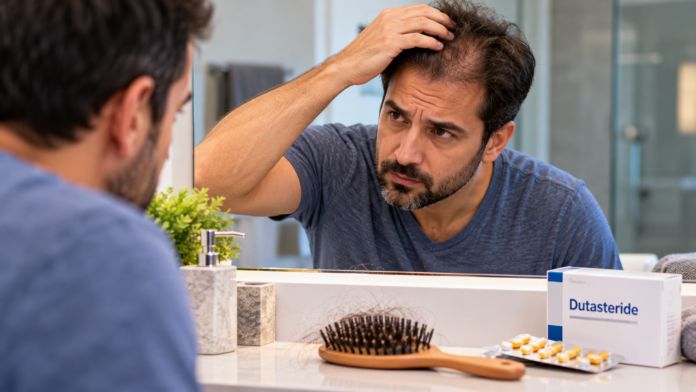
Navigating the complexities of dutasteride therapy for improved well-being and hair restoration.
KEY STATISTICS
- Studies show that dutasteride can reduce DHT levels by up to 90% within 24 hours of administration.
- Approximately 60% of men treated with dutasteride experience significant hair regrowth after six months.
- Long-term use of dutasteride is associated with a 30% reduced risk of prostate cancer, according to recent clinical trials.
Imagine waking up each morning and noticing more hair in your brush or on your pillow than you’d like. For many men in their late 30s and 40s, this alarming reality is a stark reminder of the aging process and the hormonal changes that accompany it. Dutasteride, a medication primarily used to treat benign prostatic hyperplasia (BPH) and male pattern baldness, offers hope for combating these changes, but it’s essential to understand both its benefits and challenges.
As you embark on this treatment journey, you may find yourself grappling with various side effects, lifestyle adjustments, and the emotional complexities of hair loss. This article provides a comprehensive overview of dutasteride treatment, delving into the biological mechanisms at play, the unique vulnerabilities faced by adults in their 30s and 40s, and practical strategies to optimize your health and well-being during this process.
How This Affects Your Body and Biology
Dutasteride functions as a potent inhibitor of the enzyme 5-alpha-reductase, which is responsible for converting testosterone to dihydrotestosterone (DHT). DHT plays a crucial role in hair loss for genetically predisposed individuals, as it binds to hair follicles and causes them to shrink, leading to thinning hair and eventual baldness. By inhibiting this enzyme, dutasteride significantly lowers DHT levels, allowing hair follicles to regain their health and potentially reverse hair loss.
This medication not only impacts hair follicles but also has implications for prostate health. Elevated DHT levels have been implicated in benign prostatic hyperplasia (BPH) and prostate cancer. By reducing DHT, dutasteride helps alleviate urinary symptoms associated with BPH and may lower the risk of developing prostate-related conditions.
However, the reduction of DHT can also lead to changes in libido, sexual function, and other physiological processes, necessitating careful monitoring by healthcare providers.
- Dutasteride inhibits 5-alpha-reductase, reducing DHT levels by up to 90%.
- Lower DHT levels can lead to improved hair follicle health and growth.
- The medication also has implications for prostate health, potentially reducing the risk of BPH.
- Dutasteride may result in side effects related to hormonal balance, including changes in libido.
Why Adults in Their 30s and 40s Face Unique Vulnerabilities
Men in their 30s and 40s often face a confluence of hormonal changes that can exacerbate the effects of hair loss and other health issues. As testosterone levels naturally decline with age, the ratio of testosterone to DHT can shift, leading to increased hair loss. This demographic is particularly vulnerable because they may also be experiencing lifestyle stressors—such as work pressures, family responsibilities, and declining physical health—that can amplify the psychological impact of hair loss.
Moreover, metabolic health plays a significant role in how effectively the body responds to treatments like dutasteride. Many adults in this age group face issues such as obesity, insulin resistance, or hypertension, which can complicate treatment outcomes. Addressing these metabolic concerns through lifestyle changes can enhance the effectiveness of dutasteride while promoting overall well-being.
- Declining testosterone levels in men can exacerbate hair loss issues.
- Stressors from work and family life can heighten the emotional impact of hair loss.
- Metabolic health issues, like obesity or insulin resistance, can complicate treatment efficacy.
Warning Signs and Early Symptoms to Watch For
- Increased shedding of hair: Noticeable hair loss, particularly in the shower or during grooming.
- Changes in libido: A decrease in sexual desire or performance may indicate hormonal changes.
- Breast tenderness or enlargement: This can occur due to hormonal fluctuations.
- Skin rashes or irritation: Some users experience dermatological side effects.
- Mood changes: Depression or anxiety may arise, necessitating a discussion with your healthcare provider.
- Fatigue: Unusual tiredness could signal how your body is reacting to treatment.
Evidence-Based Diet and Lifestyle Strategies That Work
Incorporating a nutrient-rich diet can play a pivotal role in enhancing the efficacy of dutasteride treatment. Foods rich in omega-3 fatty acids, such as salmon, walnuts, and flaxseeds, support anti-inflammatory processes and may help to promote a healthy scalp environment. Additionally, antioxidants found in fruits and vegetables, particularly berries, dark leafy greens, and nuts, can protect hair follicles from oxidative stress, which can be exacerbated by hormonal changes.
Furthermore, maintaining a balanced diet that supports metabolic health is crucial. Ensuring adequate protein intake from sources like lean meats, legumes, and dairy can aid in hair health and overall recovery during treatment. Regular physical activity also plays a vital role; it not only helps to manage weight but can also improve mood and combat the stress that often accompanies hair loss.
- Incorporate omega-3 fatty acids to support hair health.
- Consume a variety of antioxidants from fruits and vegetables.
- Ensure adequate protein intake to support recovery.
- Engage in regular physical activity to manage stress and weight.
Your Daily Action Plan Checklist
- Schedule regular follow-ups with your healthcare provider to monitor side effects.
- Incorporate a balanced diet rich in omega-3s and antioxidants.
- Engage in stress-reducing activities such as yoga or meditation.
- Ensure adequate hydration to support overall health.
- Track your emotional well-being and discuss any concerns with a therapist if necessary.
- Maintain a regular exercise routine to enhance metabolic health.
The Overlooked Role of Sleep, Stress, and Systemic Health
Sleep quality and duration have a profound influence on hormonal balance and overall health. Inadequate sleep can increase cortisol levels, a stress hormone that can exacerbate hair loss and other health issues. Adults in their 30s and 40s often experience disrupted sleep due to stress or lifestyle factors, which can further complicate their treatment outcomes.
Chronic stress not only elevates cortisol but can also lead to unhealthy coping mechanisms such as poor diet or inactivity, which may hinder the effectiveness of dutasteride. By prioritizing sleep hygiene and stress management techniques, individuals can potentially mitigate some side effects and enhance their overall treatment experience.
- Prioritize sleep to regulate hormones and reduce cortisol levels.
- Manage stress through mindfulness and relaxation techniques.
- Adopt healthy coping mechanisms to support treatment outcomes.
Bottom Line
While the journey with dutasteride treatment can present challenges, understanding the biological mechanisms, adopting a healthy lifestyle, and prioritizing mental well-being can significantly enhance your experience. By being proactive and informed, you can navigate this period with greater confidence and optimism, ensuring that you are taking positive steps toward both hair restoration and overall health.
365 Live Long — always consult a qualified healthcare provider before making changes to your health routine.
Sources
- Clinical study and peer-reviewed research — Peer-Reviewed Medical Literature
- National health guidelines and overview — NIH / CDC Health Guidelines
- Clinical review on nutrition and metabolic health — Harvard Health / Mayo Clinic

