
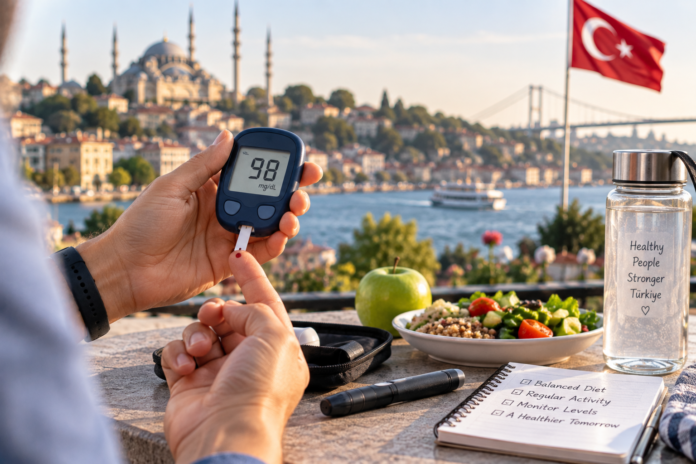
Understanding the escalating diabetes crisis in Türkiye and actionable steps to combat it.
KEY STATISTICS
- Approximately 16.8% of the adult population in Türkiye is living with diabetes, with a significant number undiagnosed.
- The prevalence of prediabetes is estimated to be around 22% among adults, indicating a looming public health crisis.
- Diabetes-related complications account for 20% of healthcare expenditures in Türkiye, underscoring the economic burden of the disease.
Imagine waking up each day feeling more fatigued than the last, struggling to maintain your energy levels, and watching your diet carefully yet still feeling unwell. If you’re in your 30s or 40s, these experiences may resonate deeply as you navigate a busy lifestyle filled with work, family, and social commitments. Yet, beneath the surface, a silent epidemic lurks, particularly in Türkiye: diabetes.
Diabetes is no longer just a health concern for the elderly; it is rapidly becoming a significant burden for younger adults. As you juggle responsibilities, the risk of developing diabetes and its associated complications grows, creating a pressing need for awareness, early detection, and proactive management. This article delves into the current diabetes landscape in Türkiye, explores its biological underpinnings, identifies unique age-related vulnerabilities, and offers practical lifestyle strategies for prevention and management.
How This Affects Your Body and Biology
Diabetes, particularly type 2 diabetes, fundamentally alters how your body processes glucose, the primary energy source for cells. In a healthy individual, insulin—a hormone produced by the pancreas—facilitates the entry of glucose into cells. However, in diabetics, insulin resistance develops, meaning that cells become less responsive to insulin.
This resistance forces the pancreas to produce more insulin to achieve the same effect, leading to elevated blood glucose levels over time.
The biological cascade doesn’t stop there. Chronic high blood sugar can lead to glycation, where glucose molecules bind with proteins and lipids, forming harmful compounds that damage tissues and organs. This damage manifests as complications such as neuropathy, retinopathy, and cardiovascular diseases, all of which are prevalent among those living with diabetes in Türkiye.
Understanding these mechanisms is critical for addressing the growing diabetes epidemic in the country.
- Insulin resistance is a key factor in the development of type 2 diabetes.
- High blood glucose levels lead to glycation, causing tissue damage.
- Chronic diabetes can result in severe complications affecting various organs.
- The pancreas initially overworks to produce more insulin, leading to eventual beta-cell burnout.
Why Adults in Their 30s and 40s Face Unique Vulnerabilities
Adults in their 30s and 40s are at a unique crossroads of life, where hormonal changes, lifestyle choices, and metabolic shifts converge, increasing their vulnerability to diabetes. Hormonal fluctuations, particularly those related to stress, can lead to increased insulin resistance. Cortisol, the stress hormone, can disrupt glucose metabolism, leading to higher blood sugar levels and, consequently, a greater risk of diabetes.
Moreover, this age group often faces lifestyle challenges that can exacerbate their risk. Sedentary behavior, poor dietary choices, and insufficient sleep can cumulatively increase the likelihood of developing metabolic syndrome—a precursor to diabetes. As responsibilities grow, self-care often takes a backseat, leading to a perfect storm for the onset of diabetes.
- Hormonal fluctuations related to stress can increase insulin resistance.
- Sedentary lifestyles prevalent in this age group exacerbate diabetes risk.
- Poor dietary habits and insufficient sleep contribute to metabolic syndrome.
Warning Signs and Early Symptoms to Watch For
- Increased thirst: A constant feeling of thirst despite drinking fluids, often a sign of high blood sugar.
- Frequent urination: Needing to urinate more often, especially at night, due to excess glucose in the blood.
- Fatigue: Persistent tiredness that doesn’t improve with rest, linked to the body’s inability to use glucose effectively.
- Blurred vision: Changes in eyesight can occur as a result of fluid changes in the lenses of the eyes.
- Slow healing: Cuts and bruises take longer to heal, indicating potential blood circulation issues.
- Tingling or numbness: Experiencing unusual sensations in the hands or feet, a sign of possible nerve damage.
Evidence-Based Diet and Lifestyle Strategies That Work
Adopting a proactive stance towards diabetes prevention and management involves embracing evidence-based dietary and lifestyle changes. A Mediterranean diet, rich in whole grains, healthy fats, lean proteins, and ample fruits and vegetables, has shown significant benefits in improving insulin sensitivity. Incorporating foods high in fiber, such as legumes and whole grains, can help maintain stable blood sugar levels.
In addition to dietary choices, regular physical activity is paramount. Aim for at least 150 minutes of moderate aerobic activity per week, such as brisk walking or cycling. This not only aids in weight management but also enhances insulin sensitivity and cardiovascular health.
Mindfulness practices, such as yoga or meditation, can help manage stress, further lowering the risk of diabetes.
- Adopt a Mediterranean diet to improve insulin sensitivity.
- Incorporate fiber-rich foods to stabilize blood sugar levels.
- Engage in regular physical activity for at least 150 minutes per week.
- Practice mindfulness to effectively manage stress.
Your Daily Action Plan Checklist
- Monitor your blood sugar levels regularly to catch any anomalies early.
- Incorporate more whole foods into your diet, focusing on fruits, vegetables, and whole grains.
- Aim for at least 30 minutes of physical activity most days of the week.
- Limit sugary drinks and snacks, opting for healthier alternatives.
- Prioritize sleep hygiene by creating a consistent sleep schedule.
- Engage in stress-reduction techniques, such as deep breathing or yoga.
The Overlooked Role of Sleep, Stress, and Systemic Health
Sleep and stress management play critical roles in diabetes prevention that often go unnoticed. Poor sleep quality and insufficient sleep duration can disrupt hormonal balance, leading to increased appetite and cravings for high-sugar foods, ultimately contributing to weight gain and insulin resistance. Moreover, chronic stress elevates cortisol levels, which can further impair glucose metabolism and increase blood sugar levels.
Addressing these systemic health issues is essential for overall well-being. Fostering a healthy lifestyle that includes adequate sleep, stress management techniques, and regular physical activity can not only mitigate the risks associated with diabetes but also enhance quality of life.
- Adequate sleep is crucial for hormonal balance and metabolic health.
- Chronic stress can elevate cortisol levels, impairing glucose metabolism.
- Mindfulness and relaxation techniques can help manage stress effectively.
Bottom Line
The diabetes epidemic in Türkiye is a clarion call for awareness, proactive management, and lifestyle change. By understanding the biological mechanisms at play and recognizing the unique vulnerabilities faced by younger adults, individuals can take actionable steps towards prevention and management. Embracing healthy habits today can pave the way for a healthier tomorrow, significantly reducing the burden of diabetes on individuals and society alike.
365 Live Long — always consult a qualified healthcare provider before making changes to your health routine.
Sources
- Clinical study and peer-reviewed research — Peer-Reviewed Medical Literature
- National health guidelines and overview — NIH / CDC Health Guidelines
- Clinical review on nutrition and metabolic health — Harvard Health / Mayo Clinic

