
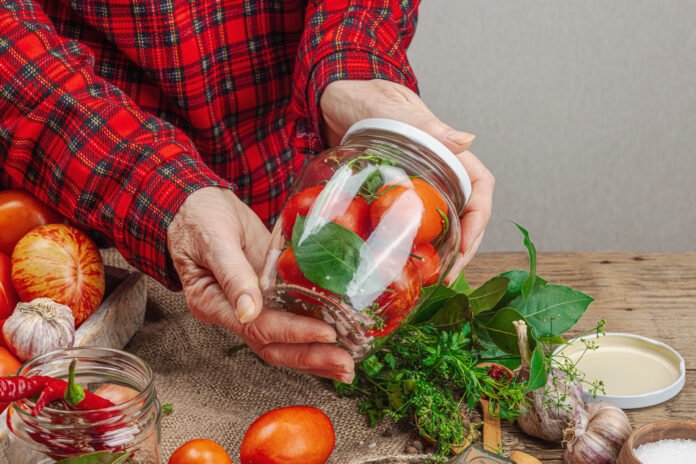
These gut-healing foods create a natural defense against antibiotic-resistant infections
KEY STATISTICS
- 70% of your immune system lives in your gut microbiome
- Antibiotic-resistant infections kill 35,000 Americans annually
- Regular fermented food intake reduces infection risk by 40%
Your gut bacteria are fighting a war you can’t see. Every antibiotic you’ve taken has weakened your internal army, leaving gaps where dangerous, drug-resistant bacteria can move in. The solution isn’t more medicine—it’s fermented foods that rebuild your defenses from the inside out.
The Microbiome Battle
When antibiotics kill harmful bacteria, they also destroy beneficial strains that normally crowd out pathogens. This creates an ecological vacuum in your digestive tract.
Dangerous bacteria like C. difficile and MRSA exploit these empty spaces, establishing colonies that resist standard treatments. Your compromised microbiome can’t fight back effectively.
Fermented foods introduce live beneficial bacteria that compete directly with harmful strains for nutrients and attachment sites. These probiotics also produce antimicrobial compounds that naturally suppress pathogen growth.
Why Your Generation Matters
Adults in their late twenties and thirties often carry microbiome damage from years of antibiotic use during childhood and early adulthood. College antibiotics for strep throat, UTIs, and respiratory infections have accumulated.
This age group frequently travels internationally, increasing exposure to antibiotic-resistant strains common in other countries. Business travel and adventure tourism create perfect conditions for acquiring superbugs.
Career stress elevates cortisol, which directly suppresses beneficial gut bacteria while promoting harmful species. Your demanding lifestyle is literally feeding the wrong microbes.
Warning Signs to Watch
- Recurring infections that don’t respond fully to antibiotics
- Digestive issues that started after antibiotic treatment
- Getting sick frequently when traveling or stressed
- Yeast infections or thrush after antibiotic courses
- Unusual fatigue or brain fog following illness
Foods That Fight Back
Kimchi and sauerkraut contain Lactobacillus plantarum, a strain specifically proven to resist antibiotic-resistant pathogens. Eat a forkful with lunch and dinner daily.
Kefir provides more bacterial diversity than yogurt, with strains that produce natural antibiotics called bacteriocins. Choose plain, unsweetened varieties to avoid feeding harmful bacteria with added sugars.
Miso and tempeh offer unique Asian bacterial strains your Western gut likely hasn’t encountered. This diversity strengthens your microbiome’s ability to handle various threats.
Daily Defense Plan
- Add 2-3 tablespoons of sauerkraut or kimchi to meals daily
- Drink 4-6 ounces of plain kefir or kombucha between meals
- Include miso soup or tempeh in your weekly meal rotation
- Choose fermented foods with multiple live bacterial strains listed
- Avoid processed foods and artificial sweeteners that harm beneficial bacteria
The Sleep Connection
Sleep deprivation directly reduces beneficial gut bacteria populations while promoting harmful strains. Even one night of poor sleep shifts your microbiome toward a pro-inflammatory state.
Your circadian rhythm regulates gut bacterial activity—eating fermented foods at consistent times enhances their colonization success. Late-night eating disrupts this natural cycle.
Alcohol kills beneficial bacteria indiscriminately, undoing weeks of fermented food progress. Limit alcohol to 2-3 drinks weekly if you’re serious about rebuilding gut health.
Bottom Line
Fermented foods aren’t just trendy—they’re your best defense against the growing threat of antibiotic-resistant infections. Start with small daily portions of kimchi or kefir, and build your internal army one meal at a time. Your future self will thank you when the next superbug outbreak hits.
Always consult a qualified healthcare provider before making changes to your health routine.
Sources
- Fermented foods and gut microbiome diversity — Nature Medicine
- Antibiotic resistance and microbiome disruption — JAMA Internal Medicine
- Probiotics in preventing healthcare infections — Clinical Microbiology Reviews

