
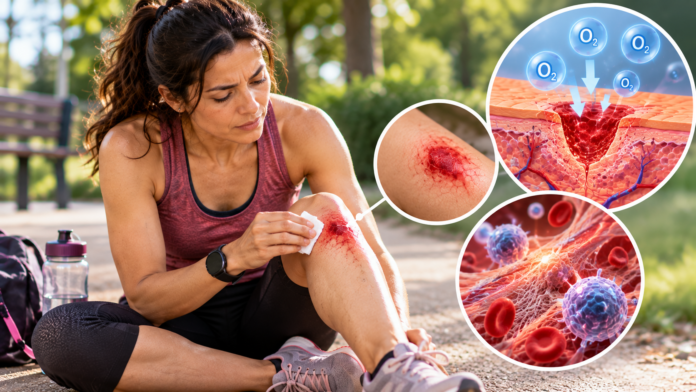
Discover how the interplay of oxygen and cellular health can revolutionize wound healing.
KEY STATISTICS
- Studies show that chronic wounds affect 1-2% of the population, with higher prevalence in adults over 40.
- Research indicates that oxygen therapy can accelerate wound healing by up to 50% in diabetic patients.
- A meta-analysis found that nutrient-rich diets can improve healing time by 30% in older adults.
Imagine you’ve just scraped your knee while jogging in the park. As a young adult, you might brush it off, assuming it will heal quickly. However, as we age, our bodies become less efficient at repairing wounds.
It’s not just a minor inconvenience; it’s a signal that our biological processes are changing, particularly under conditions of oxygen stress. Understanding this concept is vital for adults navigating the complexities of health in their 30s and 40s.
Wound healing is a dynamic process influenced by various factors, including oxygen levels, nutrient availability, and hormonal balance. Oxygen stress, which occurs when there is an imbalance between the production of reactive oxygen species (ROS) and the body’s ability to neutralize them, can significantly hinder this process. For adults in their late 30s and 40s, recognizing how these factors interplay can help improve recovery times and overall health.
How This Affects Your Body and Biology
At the cellular level, wound healing is a complex orchestration of inflammation, tissue formation, and remodeling. Oxygen plays a pivotal role in these stages, particularly during the inflammatory phase, where it is essential for the recruitment of immune cells to the injury site. Increased oxygen tension enhances the production of ROS, which, in controlled amounts, can promote healing by signaling pathways that stimulate cell proliferation and collagen synthesis.
However, excessive ROS can lead to oxidative stress, damaging cells and delaying healing. This paradox highlights the need for balanced oxygen levels; too little oxygen results in hypoxia, while too much can lead to cellular damage. Moreover, age-related declines in vascular function and metabolic efficiency can exacerbate this situation, leading to prolonged recovery times in adults aged 30-40.
- Oxygen is crucial for the inflammatory response, aiding in immune cell recruitment.
- Controlled amounts of reactive oxygen species (ROS) stimulate collagen production.
- Oxidative stress from excessive ROS can damage cells and slow healing.
- Age affects vascular function, impacting oxygen delivery and metabolic efficiency.
Why Adults in Their 30s and 40s Face Unique Vulnerabilities
As we enter our 30s and 40s, various hormonal and metabolic changes can hinder our body’s ability to heal. For instance, testosterone and estrogen levels begin to fluctuate, which can impact both the inflammatory response and tissue regeneration. Additionally, the body’s regenerative capacity diminishes, leading to slower healing processes.
This is especially concerning for adults who may sustain injuries from active lifestyles or work-related accidents.
Moreover, lifestyle factors such as chronic stress, inadequate sleep, and poor dietary choices can exacerbate these vulnerabilities. Elevated cortisol levels from chronic stress can lead to increased inflammation and negatively affect immune function. As a result, adults in this age group may find themselves facing more significant hurdles in wound healing, making it essential to address these underlying issues.
- Hormonal fluctuations can impair inflammatory responses and tissue regeneration.
- Decreased regenerative capacity leads to slower healing with age.
- Chronic stress elevates cortisol, worsening inflammation and immune function.
Warning Signs and Early Symptoms to Watch For
- Persistent redness around a wound, indicating prolonged inflammation.
- Increased warmth or swelling, which may signify an infection.
- Delayed closure of the wound, taking longer than expected to heal.
- Excessive pain that does not subside with standard pain management.
- Foul odor or discharge from the wound, suggesting possible infection.
- Formation of non-healing ulcers, common in those with diabetes.
Evidence-Based Diet and Lifestyle Strategies That Work
Integrating a nutrient-dense diet rich in vitamins A, C, E, and zinc can significantly enhance wound healing. Foods such as leafy greens, citrus fruits, nuts, and seeds provide essential nutrients that support collagen formation and immune function. Additionally, maintaining adequate hydration is crucial, as water plays a vital role in cellular metabolism and repair processes.
Incorporating regular physical activity can also enhance circulation, improving oxygen delivery to tissues. However, it’s vital to balance activity with rest to avoid overexertion, which can further stress an already compromised healing system. Mindfulness practices, including meditation or yoga, can help manage stress levels, indirectly supporting faster recovery by reducing the negative impacts of elevated cortisol on the body.
- Consume a diet rich in vitamins A, C, E, and zinc to support healing.
- Stay hydrated to facilitate cellular metabolism and repair.
- Engage in regular moderate exercise to improve circulation.
- Incorporate mindfulness practices to manage stress effectively.
Your Daily Action Plan Checklist
- Assess your wound healing status and seek medical advice for non-healing wounds.
- Incorporate nutrient-rich foods into your diet to enhance recovery.
- Stay physically active with low-impact exercises to improve blood flow.
- Practice stress-reduction techniques like yoga or meditation daily.
- Ensure adequate hydration, aiming for at least 8 glasses of water per day.
- Regularly monitor for warning signs of delayed healing or infection.
The Overlooked Role of Sleep, Stress, and Systemic Health
Circadian rhythms play a fundamental role in regulating our biological processes, including those involved in wound healing. Disrupted sleep patterns can lead to increased inflammation and impaired immune response, both of which can delay recovery. Chronic stress exacerbates these issues, leading to elevated cortisol levels that can hinder the body’s natural healing mechanisms.
Understanding these dynamics can empower adults to take control of their health, ensuring they prioritize sleep and stress management as critical components of their wellness strategy.
Moreover, systemic health issues such as obesity and diabetes can significantly impact healing. These conditions often lead to poor circulation and reduced oxygen delivery, further complicating recovery. By addressing these underlying health issues and focusing on holistic lifestyle changes, adults in their 30s and 40s can foster an environment conducive to optimal healing.
- Disrupted sleep patterns can increase inflammation and impair healing.
- Chronic stress elevates cortisol, worsening recovery processes.
- Systemic health issues like obesity can reduce oxygen delivery to tissues.
Bottom Line
As we age, the importance of understanding and addressing the factors that affect wound healing becomes increasingly critical. By embracing evidence-based dietary choices, lifestyle practices, and awareness of our body’s signals, adults in their 30s and 40s can significantly enhance their healing capacity. Prioritizing these aspects not only aids in recovery but also promotes overall health and longevity, empowering individuals to lead vibrant, fulfilling lives.
365 Live Long — always consult a qualified healthcare provider before making changes to your health routine.
Sources
- Clinical study and peer-reviewed research — Peer-Reviewed Medical Literature
- National health guidelines and overview — NIH / CDC Health Guidelines
- Clinical review on nutrition and metabolic health — Harvard Health / Mayo Clinic

