
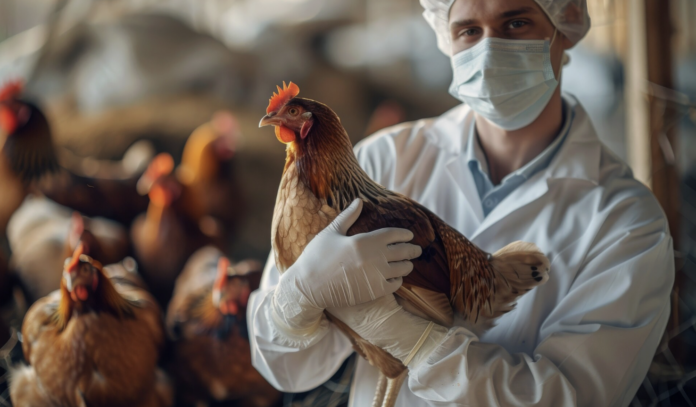
What antibiotic residues in broiler chicken mean for your health — and what you can do about it starting today.
KEY STATISTICS
- Research published in Scientific Reports found detectable residues of multiple antibiotics — including enrofloxacin, oxytetracycline, and sulfadimidine — in broiler chicken carcasses sampled from retail markets.
- Antibiotic residues in food-producing animals are a recognized public health concern linked to the global rise of antibiotic-resistant bacteria, according to the WHO.
- The WHO lists antimicrobial resistance as one of the greatest threats to global health, food security, and development — making what’s in your food more important than ever.
You pick up a pack of chicken at the grocery store, and the label says nothing about antibiotics — but that doesn’t always tell the whole story. A study published in Scientific Reports examined broiler chicken carcasses sold in Mit Ghamr, Egypt, and found residues of three antibiotics — enrofloxacin, oxytetracycline, and sulfadimidine — present in samples. This isn’t just a local story.
It’s a window into a global food safety challenge that directly affects what ends up on your plate, and quietly inside your body.
What Residues Do Inside You
When farmers use antibiotics to treat or prevent disease in poultry, traces of those drugs can remain in the meat if proper withdrawal periods aren’t followed before slaughter. Once consumed, these residues enter your digestive system and interact with your body in ways most people never think about. The three antibiotics flagged in this study — enrofloxacin (a fluoroquinolone), oxytetracycline (a tetracycline), and sulfadimidine (a sulfonamide) — each belong to drug classes with known effects on human biology at repeated low-dose exposures.
- Enrofloxacin is a fluoroquinolone antibiotic — a class restricted in human medicine due to resistance concerns.
- Repeated low-level antibiotic exposure can disrupt your gut microbiome, reducing diversity of beneficial bacteria.
- Sulfonamides like sulfadimidine have been linked to allergic reactions in sensitive individuals, even at low doses.
- Tetracycline residues may interfere with calcium absorption and affect developing or already-stressed bone tissue.
Why Your Age Group Is Vulnerable
Adults aged 25 to 35 are often in peak health and assume food safety risks don’t apply to them — but this age group faces specific vulnerabilities that make antibiotic residue exposure genuinely worth paying attention to. Your gut microbiome is highly active during this life stage, your reproductive health is a real consideration, and your antibiotic use patterns now will shape how your body responds to infections later.
- A disrupted gut microbiome in your 20s and 30s can affect immunity, digestion, and even mood long-term.
- If you take antibiotics medically, background dietary exposure may compound resistance development in your body.
- Reproductive-age adults face additional concerns — some antibiotic classes are contraindicated during pregnancy.
- Young adults who eat high volumes of poultry face greater cumulative residue exposure than occasional consumers.
Signs Worth Paying Attention To
- Recurring digestive issues — bloating, loose stools, or gut discomfort — that don’t trace back to a clear cause.
- Frequent infections that seem harder to treat with standard antibiotic courses than they used to be.
- Unexplained skin rashes or hives after eating poultry, which could suggest a sulfonamide sensitivity.
- A history of antibiotic allergies — any drug in the same class found in food could trigger a mild reaction.
- Persistent fatigue or immune sluggishness with no obvious explanation — gut microbiome disruption can play a role.
- Feeling unwell specifically after consuming non-organic or imported poultry products regularly.
Practical Steps That Actually Help
You have more control over your exposure than you might think, and it doesn’t require giving up chicken entirely. Strategic food choices, smarter sourcing, and a few cooking habits can meaningfully reduce the antibiotic residues that reach your body. Think of this less as a restriction and more as an upgrade to how you already shop and eat.
- Choose certified antibiotic-free or organic poultry when budget allows — labeling laws in many countries enforce this.
- Diversify your protein sources across the week — fish, legumes, and eggs reduce reliance on any single supply chain.
- Support your gut microbiome daily with fermented foods like yogurt, kefir, or kimchi to offset any disruption.
- Trimming visible fat from chicken before cooking may reduce some fat-soluble residue concentrations in the meat.
Your Action Plan This Week
- Check chicken packaging for ‘raised without antibiotics’ or certified organic labels at your next shop.
- Aim to eat poultry no more than 3 to 4 times per week and rotate in plant or seafood proteins.
- Add one probiotic-rich food to your daily diet to maintain gut microbiome diversity.
- If you notice recurring gut issues, mention your dietary patterns to your doctor — context matters for diagnosis.
- Stay informed: follow updates from the WHO and your national food safety agency on antibiotic use in livestock.
- When eating out, ask about sourcing when possible — many restaurants now highlight antibiotic-free suppliers.
Stress Makes Your Gut More Vulnerable
One factor most people overlook in the antibiotic residue conversation is how chronic stress affects your gut’s ability to handle these disruptions. When you’re stressed, your gut lining becomes more permeable and your microbiome balance shifts — making your body less resilient against the compounds it’s quietly absorbing through food. Managing stress isn’t just about mental health; it directly shapes how well your digestive system protects you.
- Chronic stress reduces protective gut bacteria populations, lowering your natural buffer against food-borne compounds.
- Poor sleep amplifies gut inflammation — even small dietary stressors hit harder when you’re under-recovered.
- Mindfulness, regular movement, and consistent sleep do measurable good for gut barrier integrity over time.
- Combining a cleaner food environment with stress management gives your microbiome the best chance to stay strong.
Bottom Line
The research coming out of markets in Egypt is a signal, not a scare — antibiotic residues in poultry are a real and documented concern that the global food system is still catching up to. For you, right now, the smartest response is informed action: source your chicken more carefully, diversify your plate, and invest in your gut health daily. These aren’t dramatic changes.
They’re the kind of small, consistent decisions that add up to a body that’s better equipped to handle whatever it encounters.
365 Live Long — always consult a qualified healthcare provider before making changes to your health routine.
Sources
- Health risk assessment of enrofloxacin, oxytetracycline, and sulfadimidine residues in broiler chicken carcasses marketed in Mit Ghamr, Egypt — Scientific Reports via PubMed
- WHO — Antimicrobial resistance: global threat overview and food safety context — World Health Organization
- CDC — General guidance on antibiotic use and resistance — Centers for Disease Control and Prevention

