
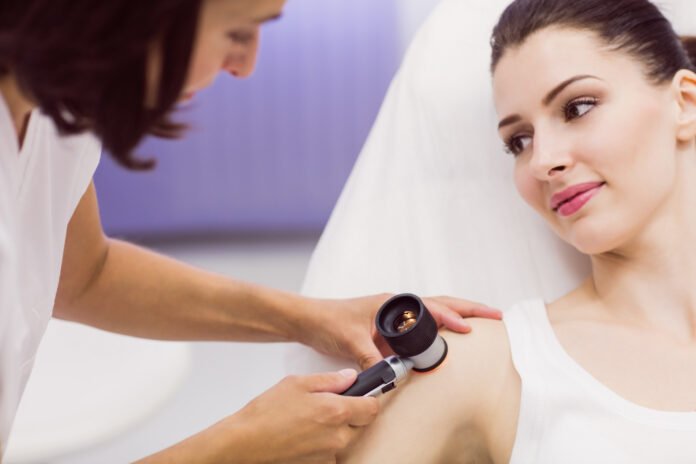
Unlocking the secrets to early detection and proactive skin health.
KEY STATISTICS
- Skin cancer is the most common cancer in the U.S., with approximately 1 in 5 Americans developing it in their lifetime.
- Early detection of melanoma can lead to a 99% survival rate when caught in its early stages.
- Over 60% of adults aged 30-50 report having at least one skin lesion that they have not monitored or assessed.
As you reach your 30s and 40s, the demands of daily life can often overshadow health concerns—especially when it comes to your skin. Between work, family obligations, and social commitments, taking a moment to evaluate changes in your skin might feel like a luxury you can’t afford. Yet, those fleeting moments of self-reflection can be crucial for your long-term health, as undetected skin lesions can lead to serious conditions like skin cancer.
How This Affects Your Body and Biology
Skin lesions, including moles and spots, arise from various biological mechanisms. At their core, these lesions result from alterations in skin cell behavior—often due to UV exposure, hormonal changes, or genetic predisposition. When skin cells are damaged, they can undergo mutations that lead to uncontrolled growth or the formation of atypical cells, sometimes culminating in malignancies like melanoma or basal cell carcinoma.
These changes can be subtle and slow, making vigilance essential for early detection.
- Skin lesions can evolve through genetic mutations triggered by UV radiation.
- The body’s immune response plays a role in the development of lesions, as it attempts to repair cellular damage.
- Hormonal fluctuations during this age can exacerbate changes in skin texture and pigmentation.
- Regular monitoring of lesions can increase the chances of early detection and successful treatment.
Why Adults in Their 30s and 40s Face Unique Vulnerabilities
Entering your 30s and 40s often brings about hormonal shifts and changes in metabolic rates, which can directly influence skin health. For women, hormonal fluctuations related to menstrual cycles, pregnancy, or menopause can lead to increased pigmentation and the formation of age spots. Men, too, may experience changes related to testosterone levels that can impact skin appearance and health.
These hormonal changes can make skin more susceptible to conditions like acne or hyperpigmentation, necessitating increased attention to skin lesions.
- Hormonal fluctuations can lead to increased skin sensitivity and changes in appearance.
- The cumulative effects of UV exposure over the years heighten the risk of developing lesions.
- Metabolic changes can slow down the skin’s natural healing processes, complicating recovery from skin issues.
Warning Signs and Early Symptoms to Watch For
- Asymmetry: One half of the mole or lesion does not match the other.
- Border irregularity: Edges are jagged, notched, or blurred.
- Color variation: Different shades of brown or black, or even red, white, or blue.
- Diameter: Lesions larger than 6mm (about the size of a pencil eraser) require evaluation.
- Evolving: Any changes in size, shape, or color of a lesion over time.
- Itching or bleeding: Any lesion that itches, bleeds, or crusts should be assessed by a professional.
Evidence-Based Diet and Lifestyle Strategies That Work
Adopting a proactive approach to skin health involves more than just vigilant monitoring; your diet and lifestyle choices play a pivotal role in preventing skin lesions. Incorporating a diet rich in antioxidants, such as fruits and vegetables, can help combat oxidative stress that accelerates skin aging and damage. Foods high in omega-3 fatty acids, like salmon and walnuts, can also promote skin elasticity and hydration.
Additionally, staying well-hydrated and managing stress levels through mindfulness practices can enhance skin resilience against lesions.
- Include leafy greens and berries for their antioxidant properties.
- Consume fatty fish for omega-3s, which support skin health.
- Stay hydrated by drinking adequate water throughout the day.
- Practice stress-reducing activities like yoga or meditation to lower cortisol levels that can impact skin health.
Your Daily Action Plan Checklist
- Schedule monthly skin checks to monitor any changes in your skin.
- Apply broad-spectrum sunscreen daily, even on cloudy days.
- Incorporate a diet rich in antioxidants and healthy fats.
- Stay hydrated by drinking at least 8 glasses of water daily.
- Engage in regular physical activity to improve circulation and overall skin health.
- Consult a dermatologist annually for professional skin assessments.
The Overlooked Role of Sleep, Stress, and Systemic Health
While skin lesions are often perceived as isolated issues, they can serve as indicators of systemic health. Chronic stress elevates cortisol levels, which can lead to inflammation and a weakened immune response—factors that can exacerbate skin conditions. Sleep is equally crucial, as restorative sleep supports the body’s repair mechanisms.
Lack of sleep can impede skin regeneration, making it more vulnerable to lesions. A holistic approach that prioritizes adequate rest and stress management will not only enhance skin health but also contribute to overall well-being.
- Chronic stress can lead to skin inflammation and exacerbate existing lesions.
- Adequate sleep supports skin repair and rejuvenation processes.
- Poor systemic health can manifest in skin abnormalities, signaling the need for comprehensive health evaluations.
Bottom Line
Being vigilant about skin lesion detection is not just a cosmetic concern; it’s a critical aspect of maintaining your health as you age. By understanding the underlying biological mechanisms, recognizing warning signs, and adopting healthy lifestyle choices, you can significantly reduce your risk of serious skin conditions. Empower yourself with knowledge and proactive habits to ensure your skin remains a reflection of your vitality and well-being.
365 Live Long — always consult a qualified healthcare provider before making changes to your health routine.
Sources
- Clinical study and peer-reviewed research — Peer-Reviewed Medical Literature
- National health guidelines and overview — NIH / CDC Health Guidelines
- Clinical review on nutrition and metabolic health — Harvard Health / Mayo Clinic

