
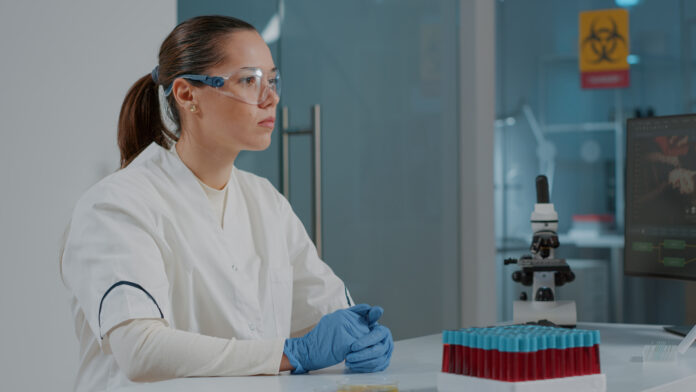
Laboratory studies reveal this common antiparasitic drug may help fight tumors at the cellular level.
KEY STATISTICS
- Ivermectin demonstrated anti-tumor effects in over 20 different cancer cell lines during laboratory studies.
- The drug showed potential to reduce cancer cell growth by up to 95% in some experimental models.
- Clinical trials investigating ivermectin’s anticancer properties are currently underway in multiple countries.
Your medicine cabinet might contain more cancer-fighting potential than you realize. Ivermectin, the Nobel Prize-winning antiparasitic drug used for decades to treat infections, is showing unexpected promise in cancer research. Scientists are discovering that this affordable, widely-available medication may help slow tumor growth and support traditional cancer treatments.
How Ivermectin Fights Cancer
Ivermectin appears to target cancer cells through multiple pathways that healthy cells don’t rely on as heavily. Laboratory studies show it can interfere with cancer cell division, reduce their ability to spread, and make them more vulnerable to the body’s natural defenses.
The drug seems particularly effective at disrupting a protein called PAK1, which many cancers use to grow and spread aggressively. When ivermectin blocks this protein, cancer cells struggle to maintain their rapid growth patterns.
Researchers have also found that ivermectin can enhance the effectiveness of chemotherapy and radiation treatments. This suggests it might work best as part of a comprehensive treatment approach rather than as a standalone therapy.
Why Prevention Starts Now
Your twenties and thirties are when cellular damage from environmental toxins, stress, and lifestyle factors begins accumulating silently. Cancer typically develops over 10-20 years, meaning the choices you make now directly impact your risk in your forties and fifties.
This age group faces unique cancer risk factors that previous generations didn’t encounter. Higher stress levels, processed food consumption, sedentary lifestyles, and increased exposure to environmental pollutants create a perfect storm for cellular damage.
Understanding emerging cancer research helps you make informed decisions about prevention strategies. While ivermectin research is still early, staying informed about breakthrough treatments ensures you’re prepared for future medical advances.
Early Cancer Warning Signs
- Unexplained fatigue that doesn’t improve with rest
- Persistent changes in bowel or bladder habits
- Unusual lumps or swelling anywhere on your body
- Chronic cough or hoarseness lasting more than two weeks
- Unexplained weight loss of 10 pounds or more
Evidence-Based Prevention Strategies
Cancer prevention starts with reducing cellular stress through nutrition and lifestyle choices. Focus on foods rich in antioxidants like berries, leafy greens, and colorful vegetables that help neutralize cellular damage.
Regular exercise boosts your immune system’s ability to detect and eliminate abnormal cells before they become problematic. Aim for 150 minutes of moderate activity weekly, including both cardio and strength training.
Limit exposure to known carcinogens by choosing organic produce when possible, using natural cleaning products, and avoiding processed meats and excessive alcohol consumption.
Your Cancer Prevention Checklist
- Schedule annual physical exams and age-appropriate cancer screenings
- Maintain a diet rich in cruciferous vegetables and antioxidant-dense foods
- Exercise regularly to support immune function and cellular repair
- Limit alcohol intake to no more than one drink per day
- Stay informed about emerging cancer research and treatment options
The Sleep Connection
Sleep quality plays a crucial role in cancer prevention that most people overlook. During deep sleep, your body activates cellular repair mechanisms and strengthens immune surveillance against abnormal cells.
Chronic sleep deprivation disrupts hormone production and weakens your body’s natural cancer-fighting abilities. Poor sleep also increases inflammation, creating an environment where damaged cells are more likely to survive and multiply.
Prioritize 7-9 hours of quality sleep nightly by maintaining consistent bedtime routines, limiting blue light exposure before bed, and creating a cool, dark sleeping environment.
Bottom Line
While ivermectin’s anticancer properties are promising, current research is still in laboratory and early clinical stages. Focus on proven prevention strategies like healthy nutrition, regular exercise, and adequate sleep while staying informed about emerging treatments. Always consult healthcare professionals before considering any medication for cancer prevention or treatment.
Always consult a qualified healthcare provider before making changes to your health routine.
Sources
- Ivermectin exhibits anti-cancer properties in multiple tumor types — Nature Communications
- Anti-parasitic drug ivermectin shows anti-tumor activity — BMC Cancer
- Repurposing ivermectin for cancer treatment — Journal of Experimental Medicine

