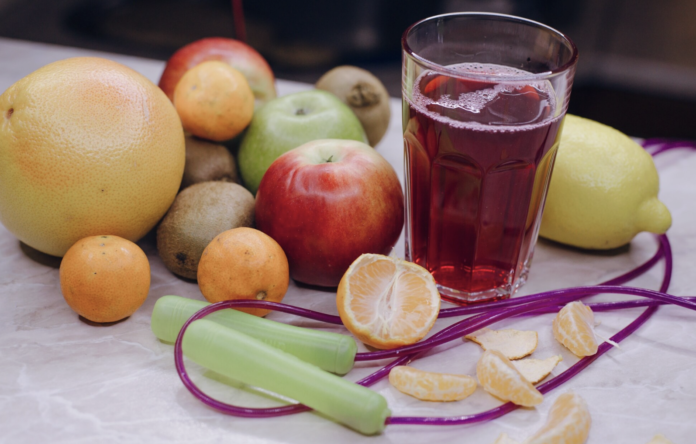
That trendy three-day cleanse might be costing you more than calories — here’s what it’s quietly stripping from your body.
KEY STATISTICS
- A typical juice cleanse provides less than 20% of your daily recommended electrolyte intake, according to nutritional analyses published in the Journal of the Academy of Nutrition and Dietetics.
- Up to 75% of adults in the United States are estimated to have low magnesium intake, a deficiency that juice-only diets can worsen significantly, per the NIH Office of Dietary Supplements.
- Research from Harvard Health suggests that liquid-only diets can trigger measurable drops in potassium and sodium within 48 hours, directly affecting nerve and muscle function.
You bought the bottles, followed the plan, and committed to three days of nothing but cold-pressed juice — and by day two, you felt dizzy, foggy, and exhausted. Most people blame the detox process. The real explanation is simpler and more fixable: your body is running out of essential minerals.
What Cleanses Actually Do
Electrolytes are minerals that carry an electrical charge inside your body — the most critical ones being potassium, sodium, magnesium, and phosphorus. They regulate everything from nerve signals and muscle contractions to fluid balance and brain function.
When you cut solid food and rely exclusively on juice, you remove the primary dietary sources of these minerals. Most commercial juice cleanses are high in natural sugars from fruit but critically low in the minerals your cells need to function.
Magnesium, for example, is found in nuts, seeds, leafy greens, and whole grains — none of which survive a liquid-only plan. Without it, your body struggles to produce ATP, the molecule your cells use for energy. This is why fatigue on a cleanse is not a sign of detoxing.
It is a sign of mineral depletion.
Why Your Age Matters
Adults between 25 and 35 are the core demographic driving the juice cleanse market, partly because this age group is under high pressure to manage weight, energy, and appearance quickly.
At this life stage, your body is also under significant physiological demand. Work stress, irregular sleep, exercise habits, and for many women, hormonal fluctuations all increase your baseline need for magnesium and potassium.
What makes this age group particularly vulnerable is the frequency of cleansing. Many people in their late twenties and early thirties repeat cleanses every few months, creating a cycle of mineral depletion that compounds over time. Chronic low-grade deficiencies in this window can affect mood, cognition, and long-term cardiovascular health.
Warning Signs To Watch
- Persistent fatigue even after sleeping eight or more hours during or after a cleanse
- Headaches that begin on day one or two of a liquid-only diet
- Muscle cramps or twitching, particularly in the calves or feet
- Difficulty concentrating or a heavy, foggy feeling in the head
- Heart palpitations or an irregular heartbeat sensation, especially during physical activity
What Actually Helps
The most effective way to support your body during any dietary reset is to keep whole food sources of key minerals in the picture. If you want to reduce processed food intake or improve your digestion, a modified approach works far better than full elimination.
Adding mineral-dense foods like spinach, avocado, pumpkin seeds, bananas, and sweet potatoes to a lighter eating plan gives your body the micronutrients it needs while still reducing your overall caloric load. You get most of the benefits you are chasing from a cleanse without the mineral crash.
If you do choose a juice-based approach, prioritise vegetable-based juices over purely fruit-based ones. Celery, cucumber, kale, and spinach juices retain more minerals than apple or orange-dominant blends. Pairing juice with a small handful of nuts or seeds each day can help buffer electrolyte losses significantly.
Action Plan Checklist
- Before any cleanse, check your typical magnesium and potassium intake using a free food tracking app for two to three days
- Choose vegetable-forward juices over fruit-heavy blends to retain more electrolytes and reduce sugar spikes
- Add one small serving of nuts, seeds, or avocado daily if you are on a liquid-heavy plan to protect mineral levels
- Limit any juice-only protocol to a maximum of one day rather than three to five, unless guided by a registered dietitian
- After a cleanse, reintroduce whole grains, leafy greens, and legumes within the first meal to begin restoring mineral stores
The Hydration Myth
There is one factor almost no juice cleanse marketing mentions: hydration without minerals is not the same as proper hydration. Drinking large volumes of liquid without adequate sodium and potassium can actually dilute your electrolyte balance further, a condition known as hyponatremia in its more severe forms.
This is particularly relevant for people who exercise during a cleanse. Sweating removes sodium and potassium rapidly, and if your diet is not replacing them, symptoms like dizziness, poor coordination, and mental cloudiness can appear much faster than expected.
Adding a small pinch of high-quality sea salt and a squeeze of lemon to your water during a cleanse period is a low-cost, evidence-supported way to maintain basic electrolyte balance. It does not replace food, but it reduces the risk of a sharp mineral drop.
Bottom Line
Juice cleanses are not inherently dangerous for most healthy adults, but the idea that they detox your body while leaving it fully nourished is not supported by evidence. The fatigue, brain fog, and crashes you feel mid-cleanse are your body signalling a mineral deficit, not a purification process. Understanding what your body actually needs gives you a far more effective strategy than any bottled programme.
Always consult a qualified healthcare provider before making changes to your health routine.
Sources
- Dietary Reference Intakes for Electrolytes and Water — NIH Office of Dietary Supplements
- Magnesium Fact Sheet for Health Professionals — NIH Office of Dietary Supplements
- Electrolyte Imbalance and Low-Calorie Diets — Journal of the Academy of Nutrition and Dietetics
- The Truth About Juice Cleanses and Detox Diets — Harvard Health Publishing
- Hyponatremia: Symptoms, Causes and Treatment — Mayo Clinic