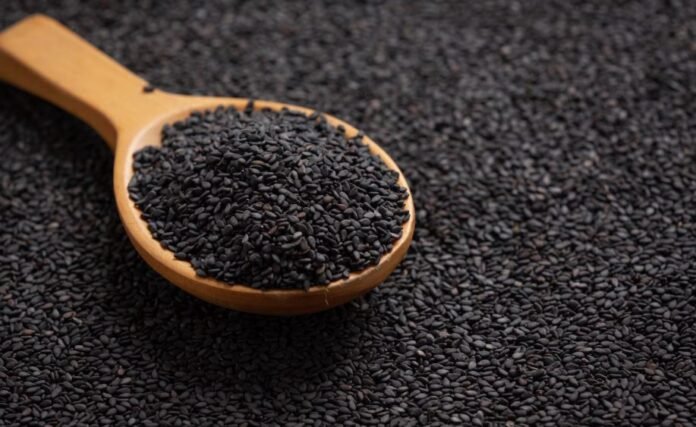
This tiny black seed has been studied for blood sugar control, inflammation, and immune support — and it fits in your kitchen right now.
KEY STATISTICS
- Over 150 peer-reviewed studies have investigated the health effects of Nigella sativa, the plant that produces kalonji seeds, according to research published in the Journal of Ethnopharmacology.
- A 2015 meta-analysis found that Nigella sativa supplementation significantly reduced fasting blood glucose levels in people with type 2 diabetes, with effects comparable to some pharmaceutical interventions.
- Thymoquinone, the primary active compound in kalonji seeds, has demonstrated anti-inflammatory, antioxidant, and immune-modulating effects across multiple human and animal studies reviewed by the National Institutes of Health.
You have probably walked past kalonji seeds in a grocery store without giving them a second thought. These small, matte-black seeds — also called black seed, black cumin, or Nigella sativa — have been used in traditional medicine across South Asia, the Middle East, and North Africa for centuries. Now modern research is catching up, and what it is finding is worth paying attention to.
What Kalonji Actually Does
Kalonji seeds contain a compound called thymoquinone, which is responsible for most of their therapeutic activity. Thymoquinone works by inhibiting pro-inflammatory pathways in the body, particularly those involving COX-2 enzymes — the same pathways targeted by common anti-inflammatory medications.
The seeds also contain nigellone, fixed oils, and a range of antioxidants that help neutralise free radicals before they can damage cells and accelerate ageing. This combination of compounds gives kalonji a multi-target effect that single-nutrient supplements cannot replicate.
On the blood sugar side, research suggests kalonji improves insulin sensitivity and reduces fasting glucose by supporting pancreatic beta cell function — the cells responsible for producing insulin. Studies in the Journal of Endocrinology and Metabolism have reported meaningful reductions in HbA1c levels in participants using kalonji alongside standard lifestyle changes.
Why Your Twenties Matter
Chronic low-grade inflammation does not announce itself with obvious symptoms in your twenties and thirties. It builds silently in the background, driven by stress, poor sleep, processed foods, and sedentary habits — and it lays the groundwork for conditions like type 2 diabetes, cardiovascular disease, and autoimmune disorders that show up a decade later.
Adults aged 25 to 35 are also at a life stage where blood sugar regulation begins to shift. Rising cortisol from work stress, irregular eating patterns, and less movement than in earlier years can quietly push fasting glucose toward the higher end of normal.
This is precisely the window where adding an evidence-backed anti-inflammatory food like kalonji costs very little and could carry significant long-term benefit.
Warning Signs To Watch
- Persistent low energy that does not improve with rest or a full night of sleep
- Frequent afternoon sugar cravings or energy crashes after meals
- Bloating, slow digestion, or general gut discomfort without a clear cause
- Joint stiffness, minor aches, or a feeling of bodily heaviness that is not linked to exercise
- Skin flare-ups, dullness, or recurring breakouts that resist topical treatments
How To Use Kalonji
The most practical way to add kalonji to your routine is through food. The seeds have a slightly bitter, peppery, nutty flavour that works well sprinkled over eggs, stirred into yoghurt, added to soups, or mixed into bread dough — a use common across South Asian and Middle Eastern cooking for generations.
Kalonji oil is also widely available and can be taken in small amounts directly or added to salad dressings and dips. Research studies have used doses ranging from 1 to 3 grams of seeds per day or 0.5 to 2 ml of oil, which is a small and very manageable daily amount.
You do not need to overhaul your diet. Consistency with even a small daily amount is what the research supports, not large occasional doses. Think of it as a low-effort, high-return addition to meals you are already eating.
Action Plan Checklist
- Start with half a teaspoon of kalonji seeds daily and build up to one full teaspoon over two weeks to allow your digestive system to adjust
- Add seeds to your morning eggs, avocado toast, or yoghurt for an easy daily habit that requires no extra preparation
- If using kalonji oil, begin with a few drops in a dressing or taken directly, keeping the dose under one teaspoon per day
- Pair kalonji with foods that reduce inflammation simultaneously — think leafy greens, olive oil, oily fish, and legumes
- Track how your energy and digestion feel after four weeks of consistent use, as individual responses vary and personal observation matters
The Gut Absorption Factor
One factor that determines whether kalonji delivers its full benefit is gut health. Thymoquinone is absorbed through the digestive tract, and if your gut lining is compromised by stress, alcohol, or a low-fibre diet, absorption is reduced.
Supporting your gut while adding kalonji — through adequate fibre, fermented foods, and reduced alcohol intake — creates a better internal environment for the seed’s compounds to do their work. This is not about perfection; it is about giving a useful tool the conditions it needs to function.
There is also a timing consideration. Some small studies suggest taking kalonji with a meal rather than on an empty stomach improves tolerance and may enhance bioavailability. If you experience mild nausea when starting, shifting to a mealtime dose usually resolves it within a few days.
Bottom Line
Kalonji seeds are not a trend or a superfood myth — they are one of the most studied functional foods in traditional medicine with a growing body of modern clinical evidence to support their use. For adults in their twenties and thirties dealing with inflammation, energy instability, or blood sugar concerns, a teaspoon a day is one of the most practical and affordable additions available. Start small, stay consistent, and let the evidence work in the background.
Always consult a qualified healthcare provider before making changes to your health routine.
Sources
- Nigella sativa and its active compound thymoquinone: anti-inflammatory and immunomodulatory effects — Journal of Ethnopharmacology
- Effect of Nigella sativa on blood glucose levels in type 2 diabetes: a systematic review and meta-analysis — Journal of Endocrinology and Metabolism
- Thymoquinone: potential cure for inflammatory disorders and cancer — Biochemical Pharmacology
- Black seed and cardiovascular risk factors: a review of the evidence — Harvard Health Publishing
- Antioxidant and anti-inflammatory properties of Nigella sativa: clinical applications — National Institutes of Health — National Library of Medicine